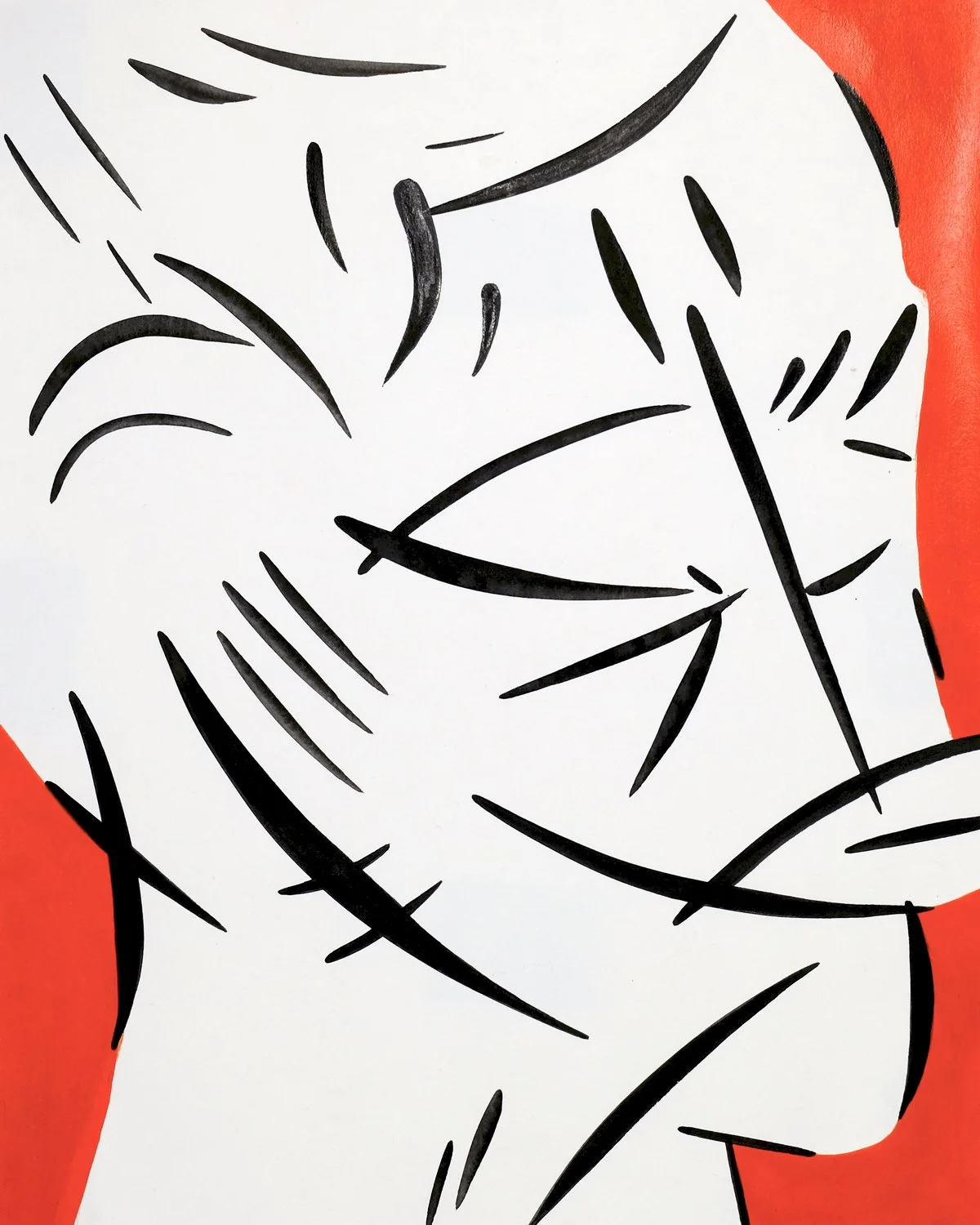
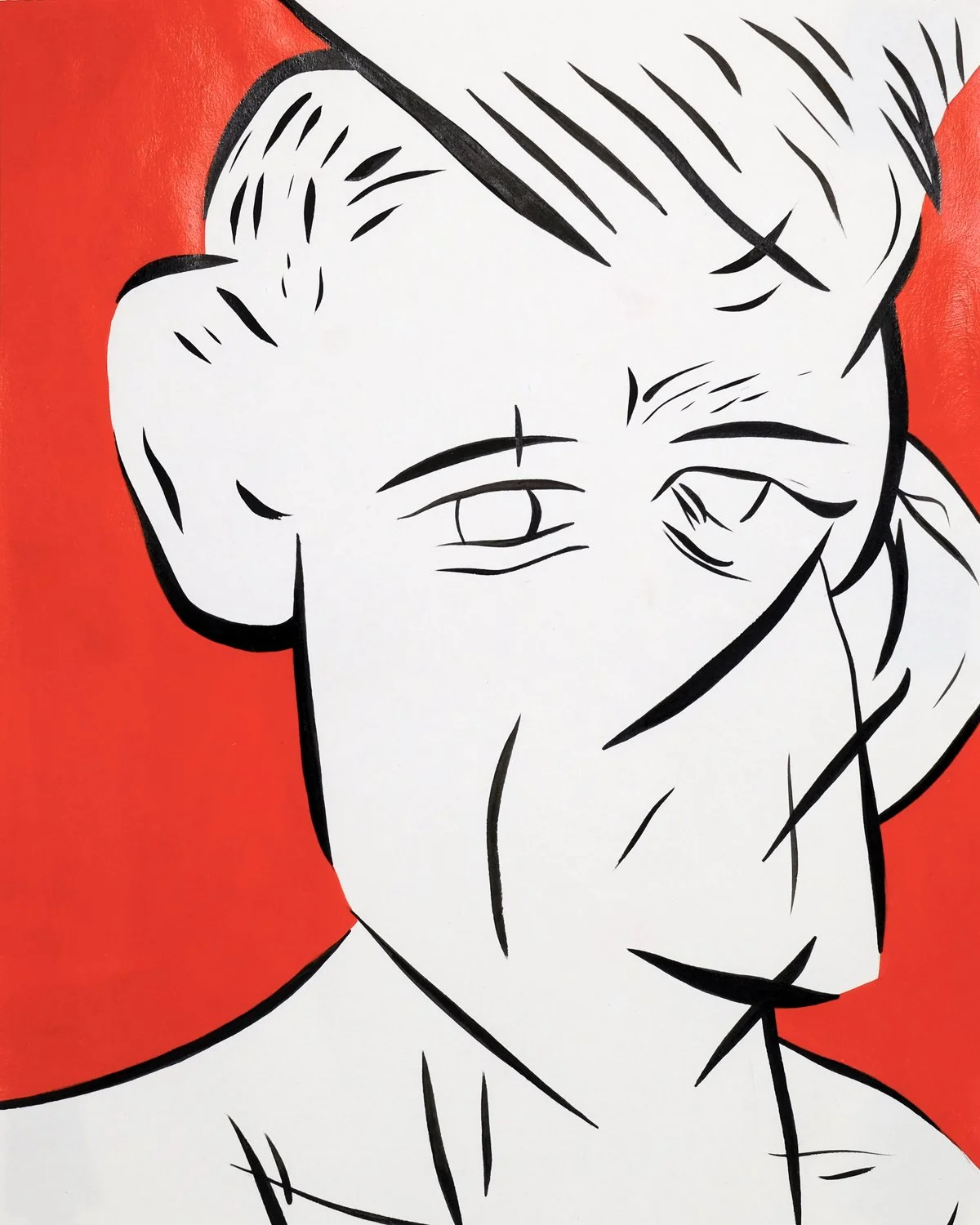
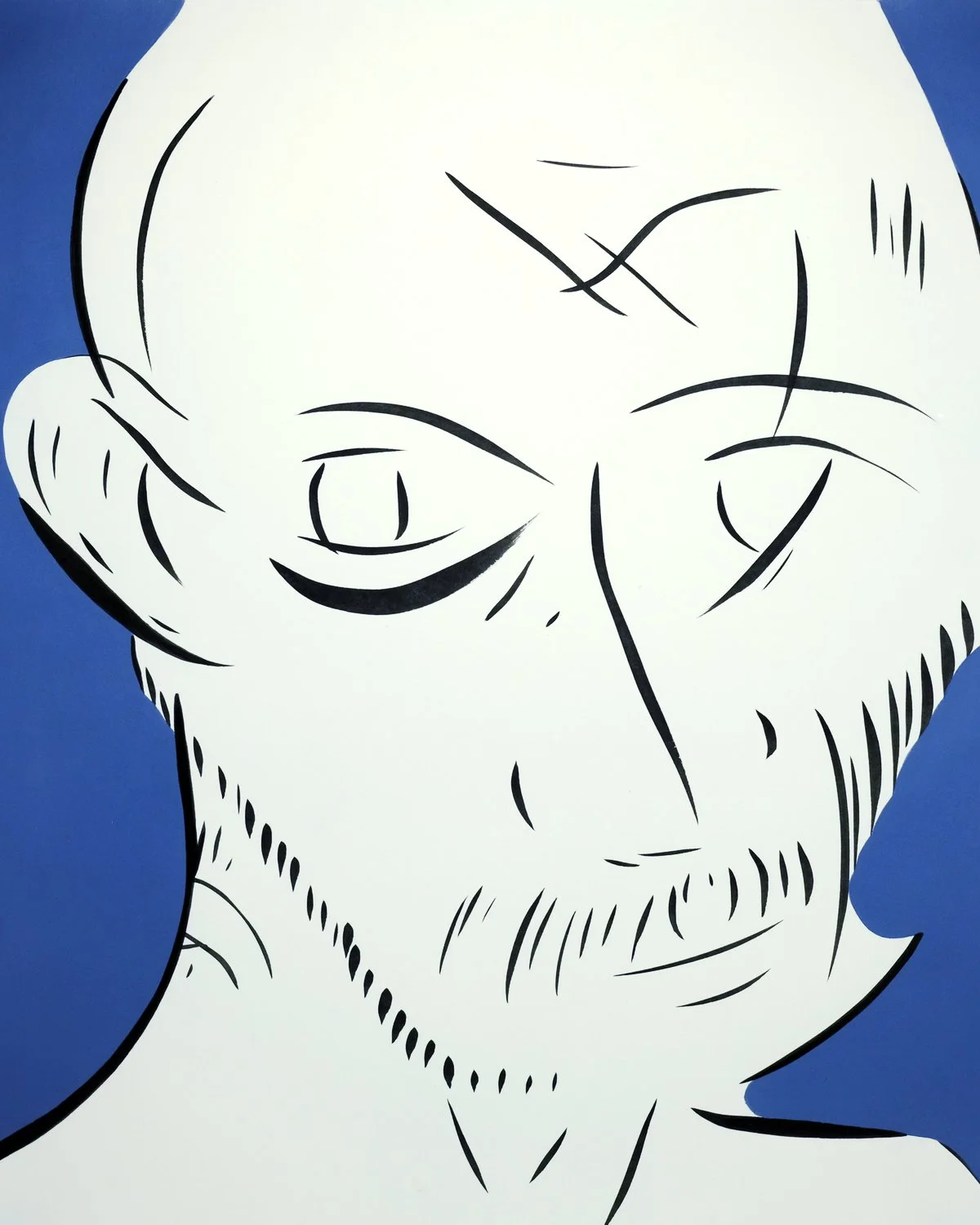
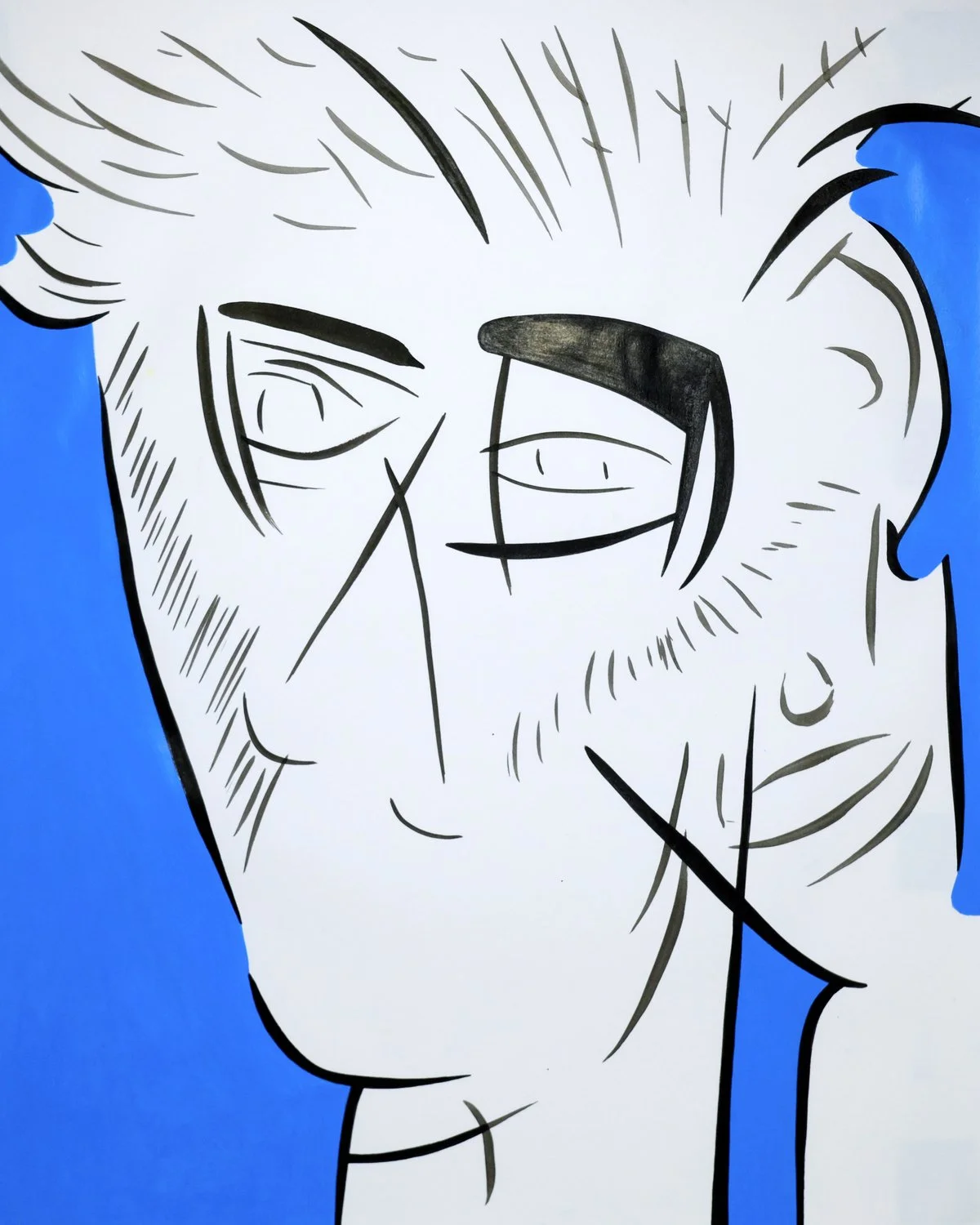
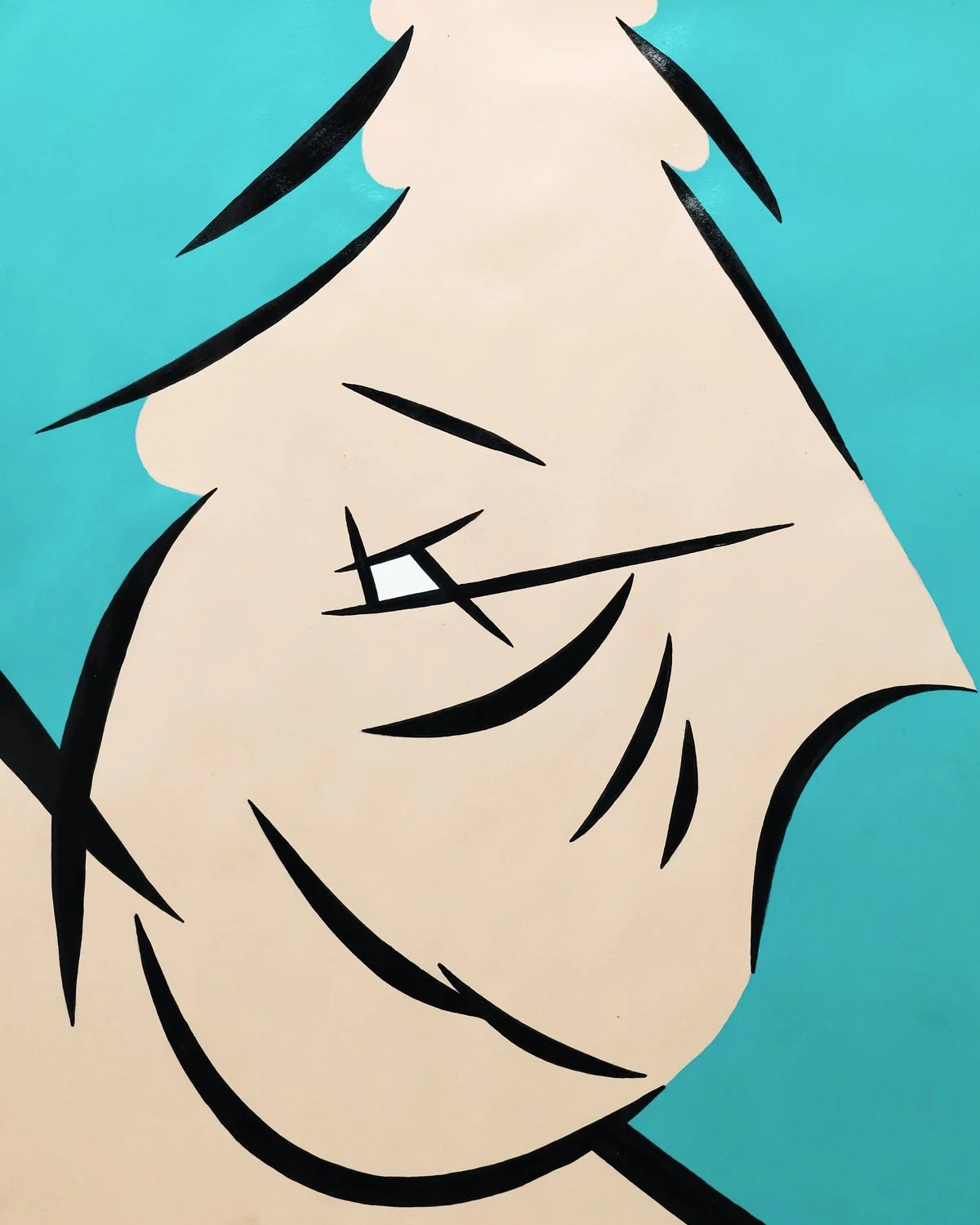
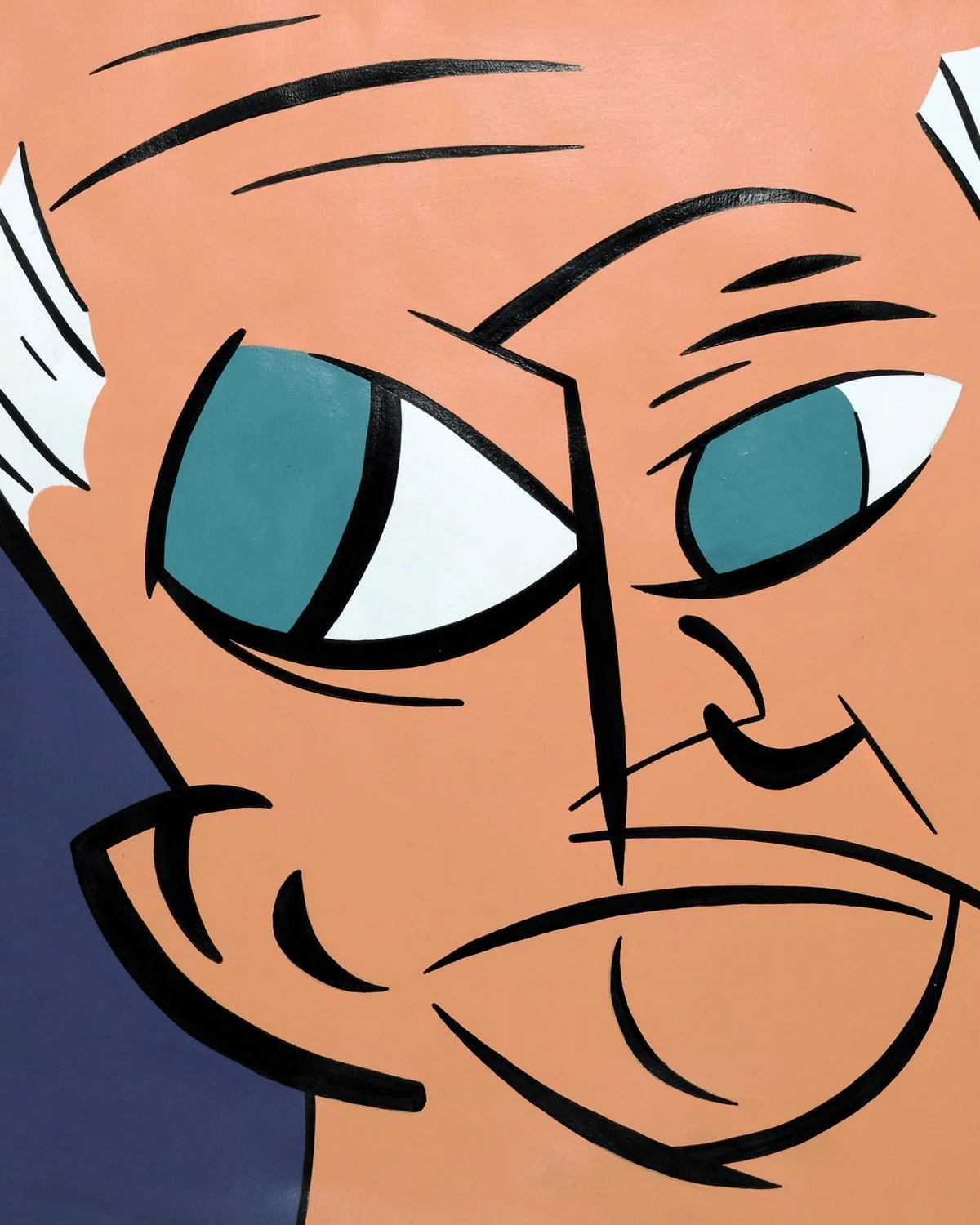
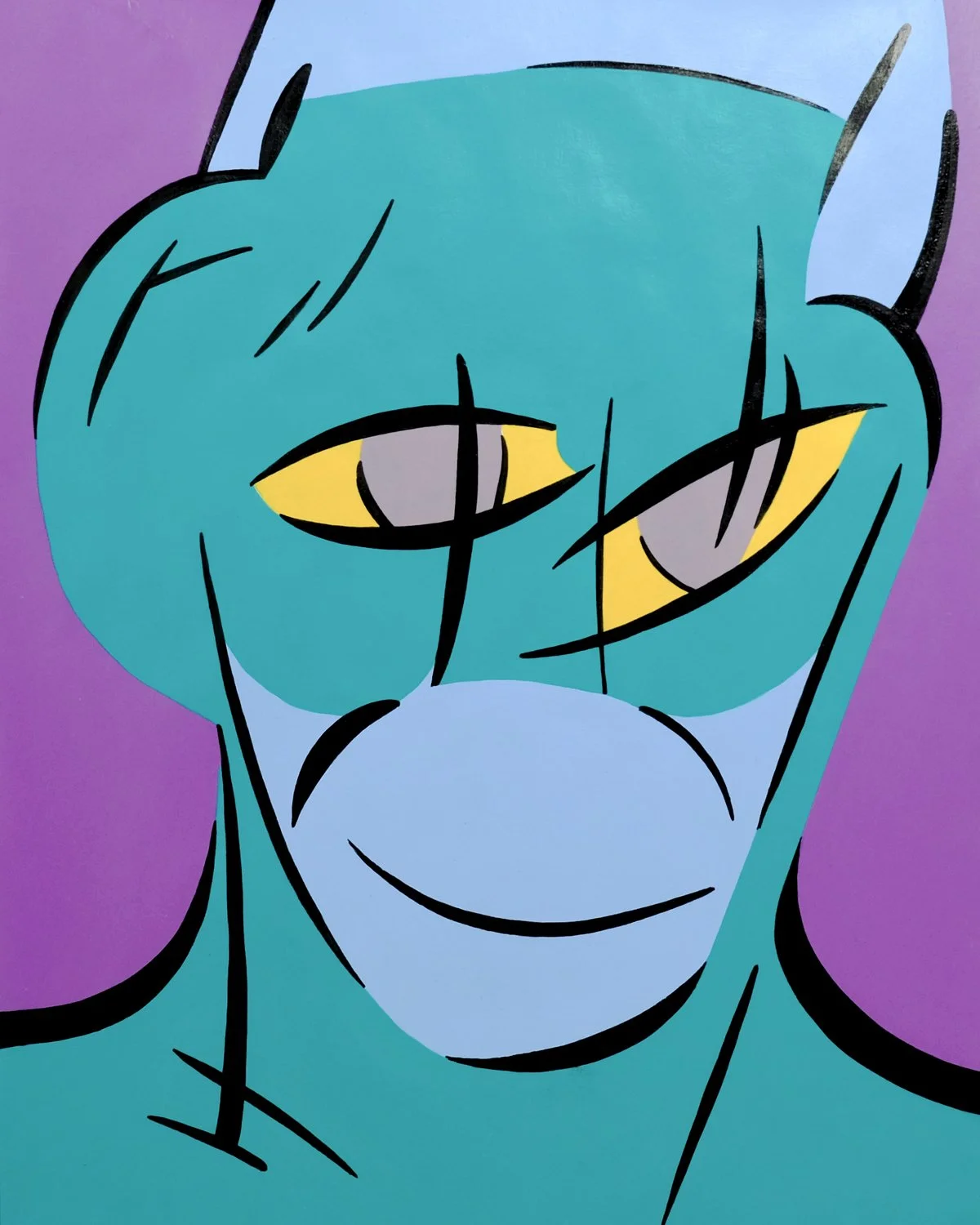
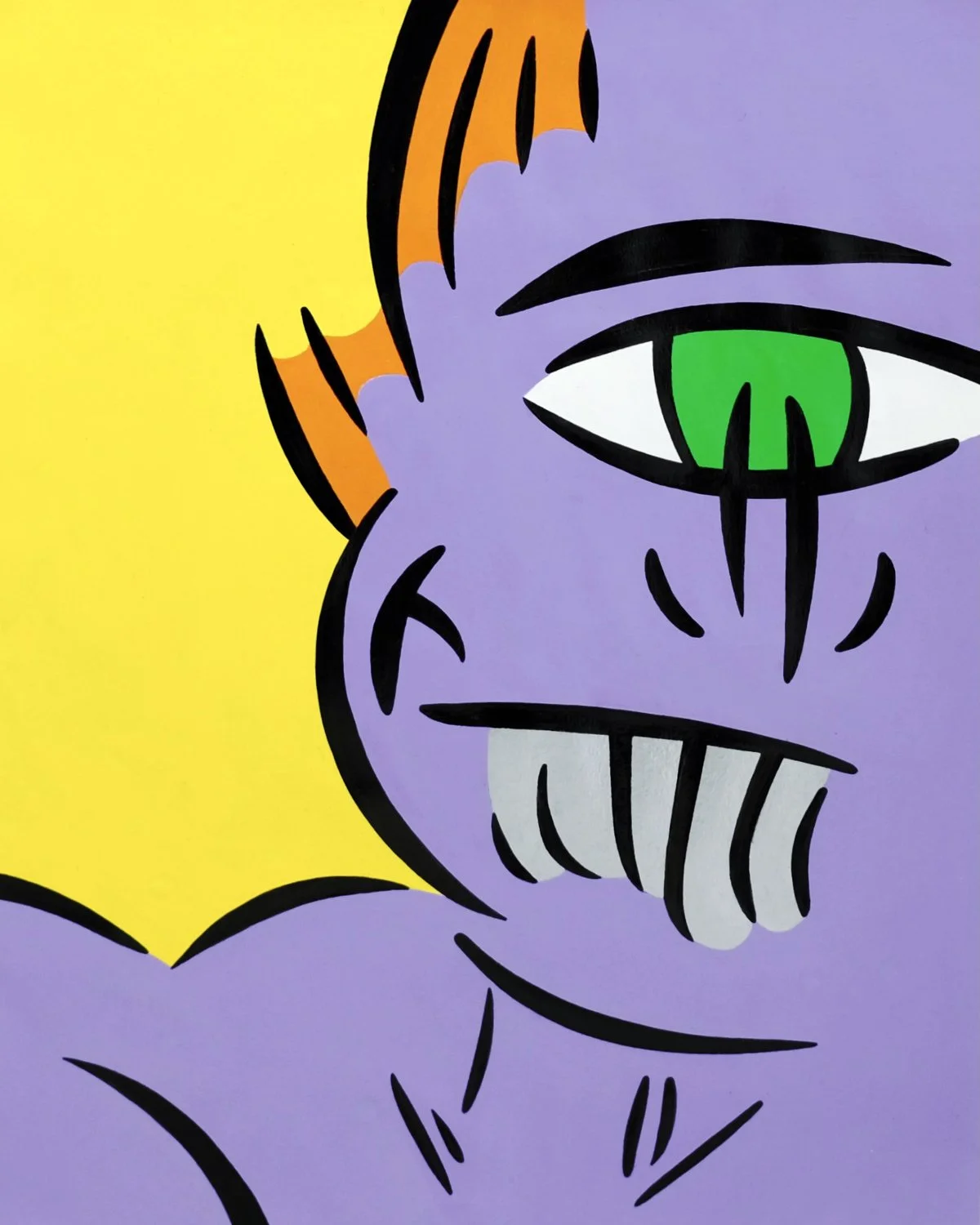
2019 Finding My Way
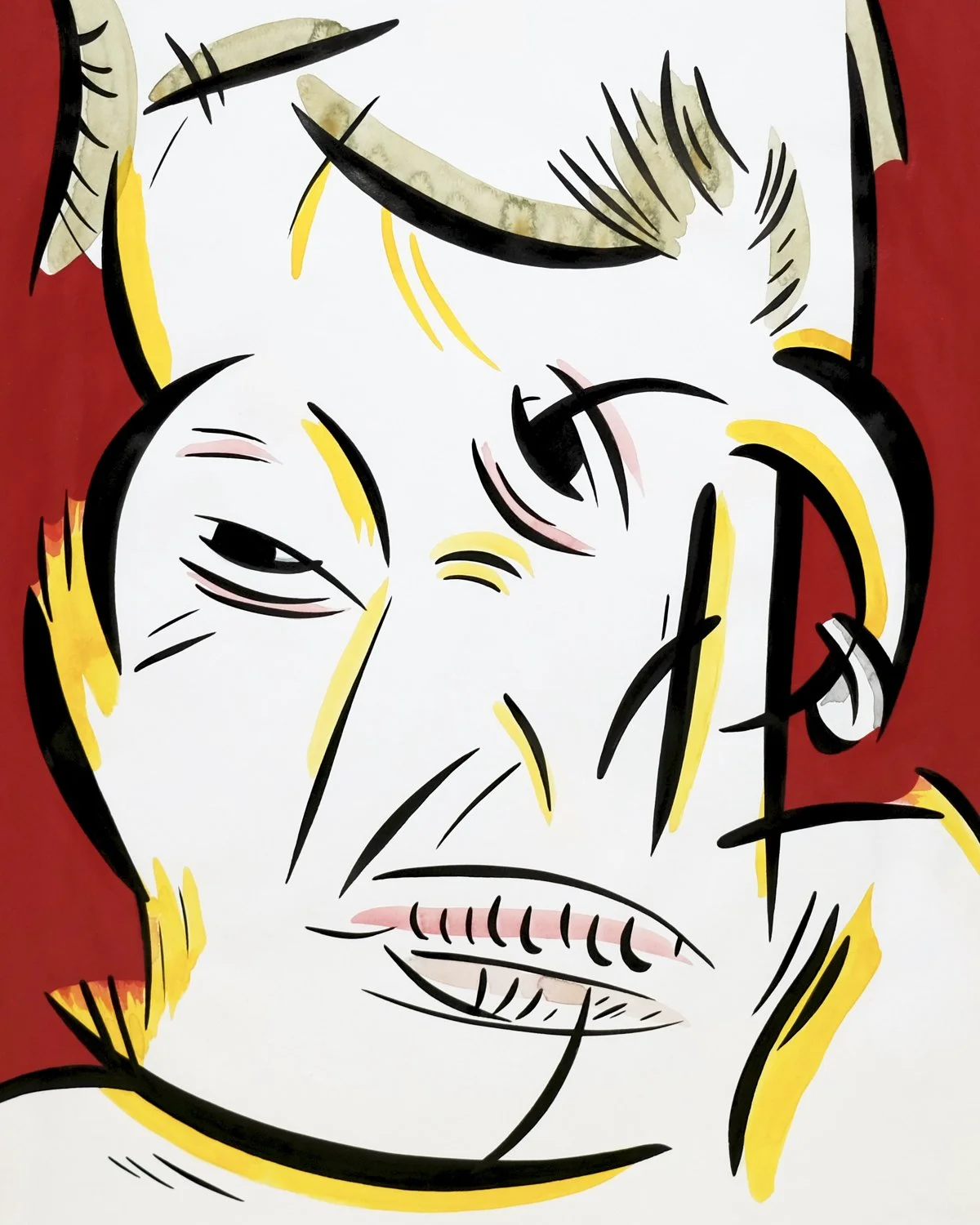
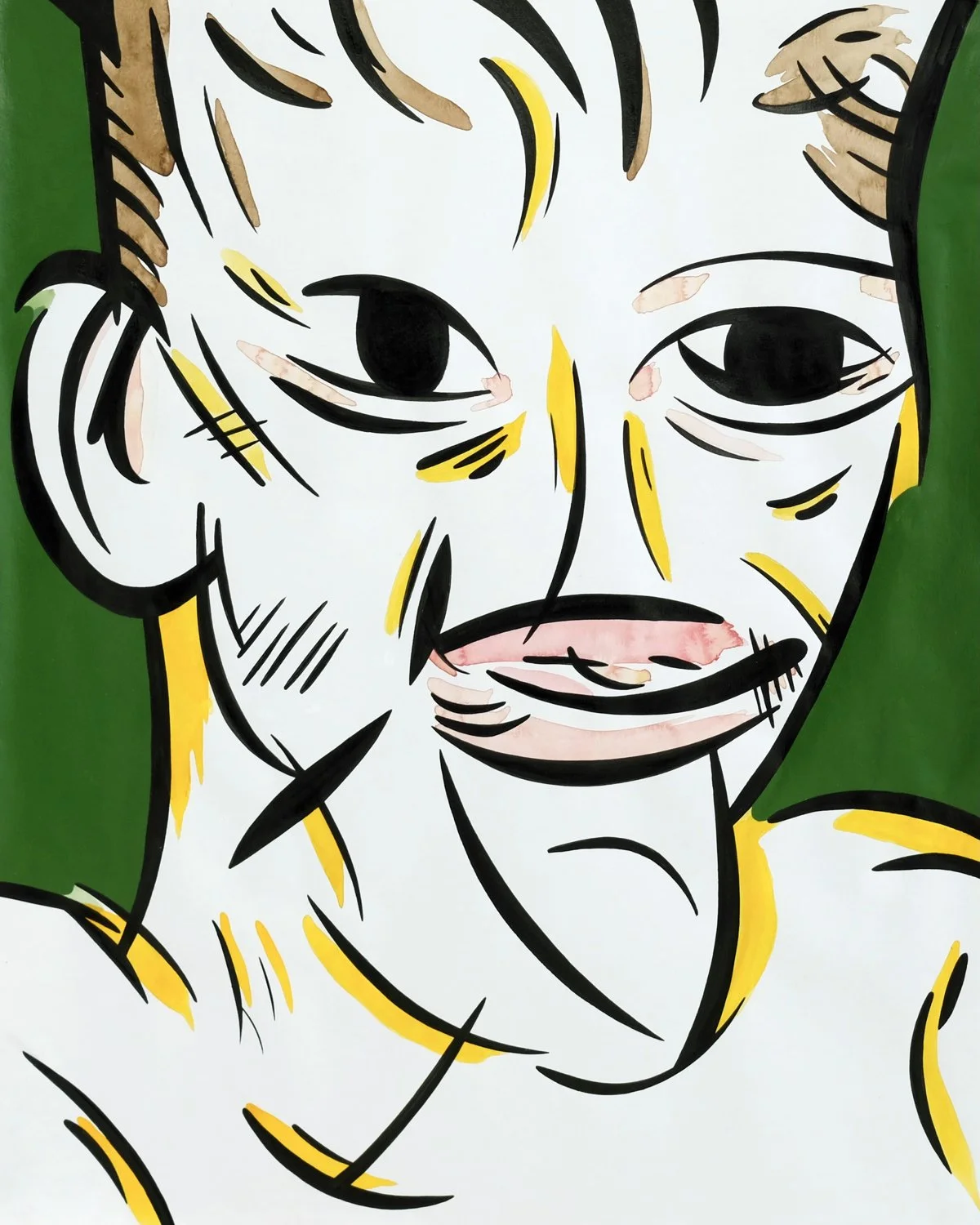
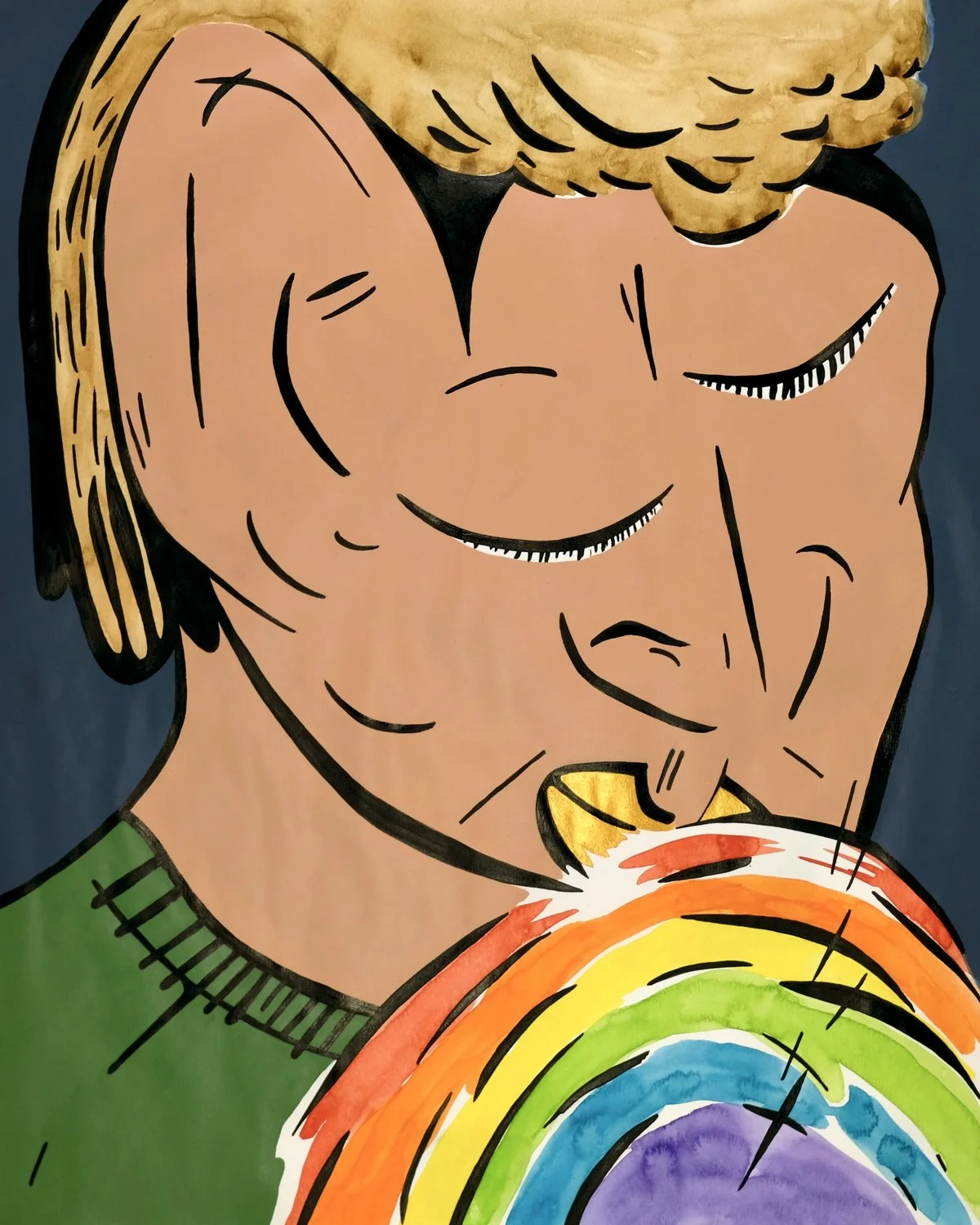
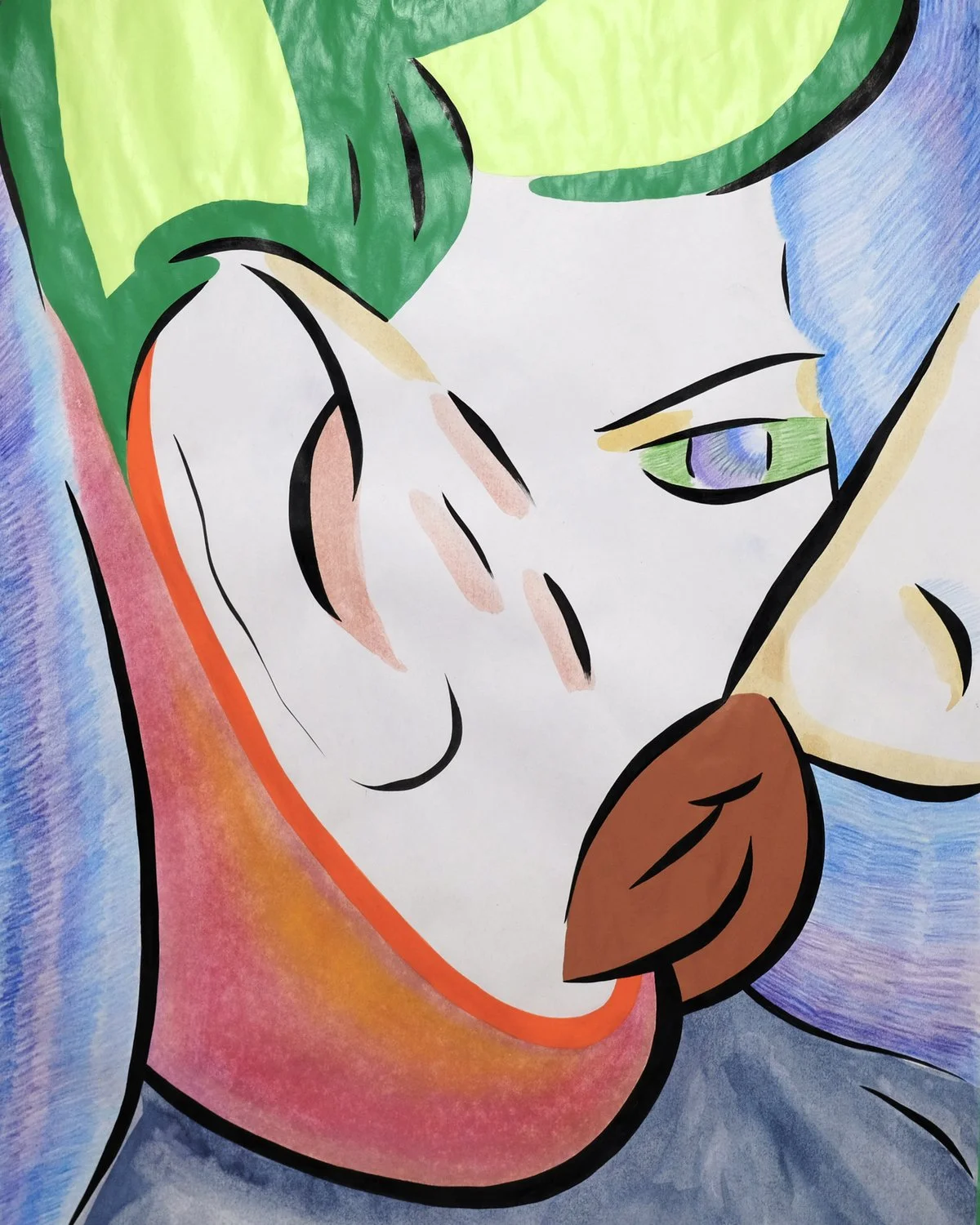
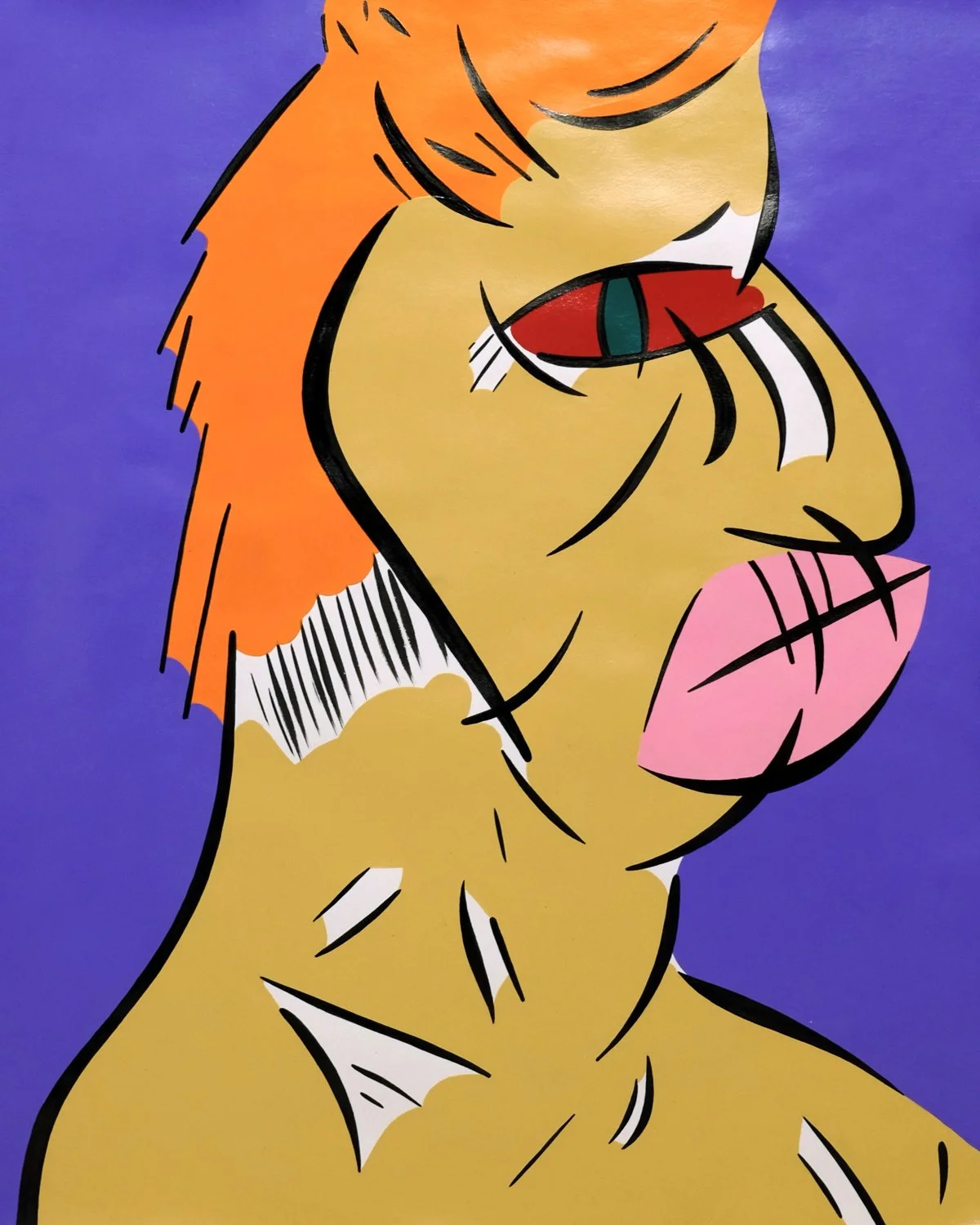
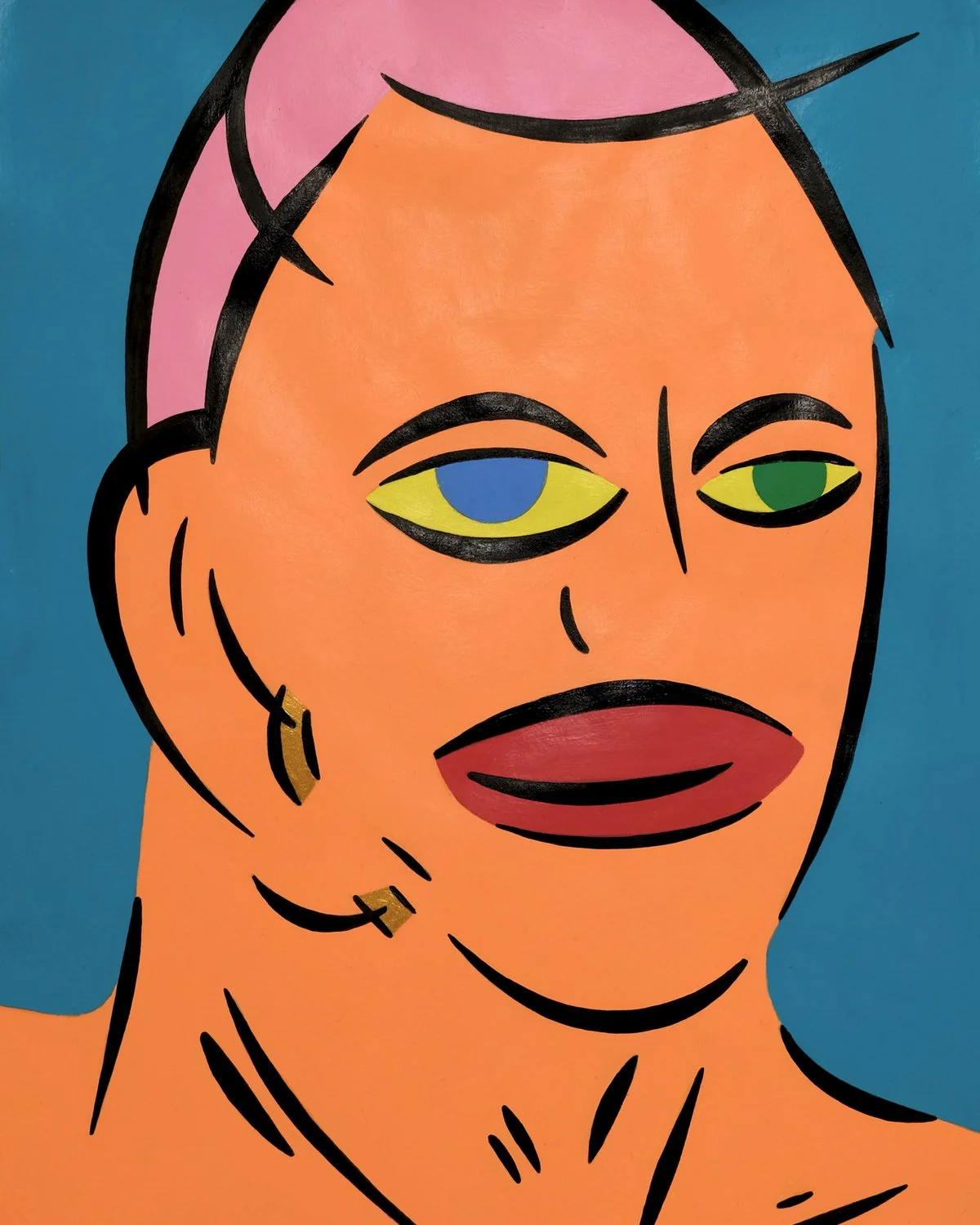
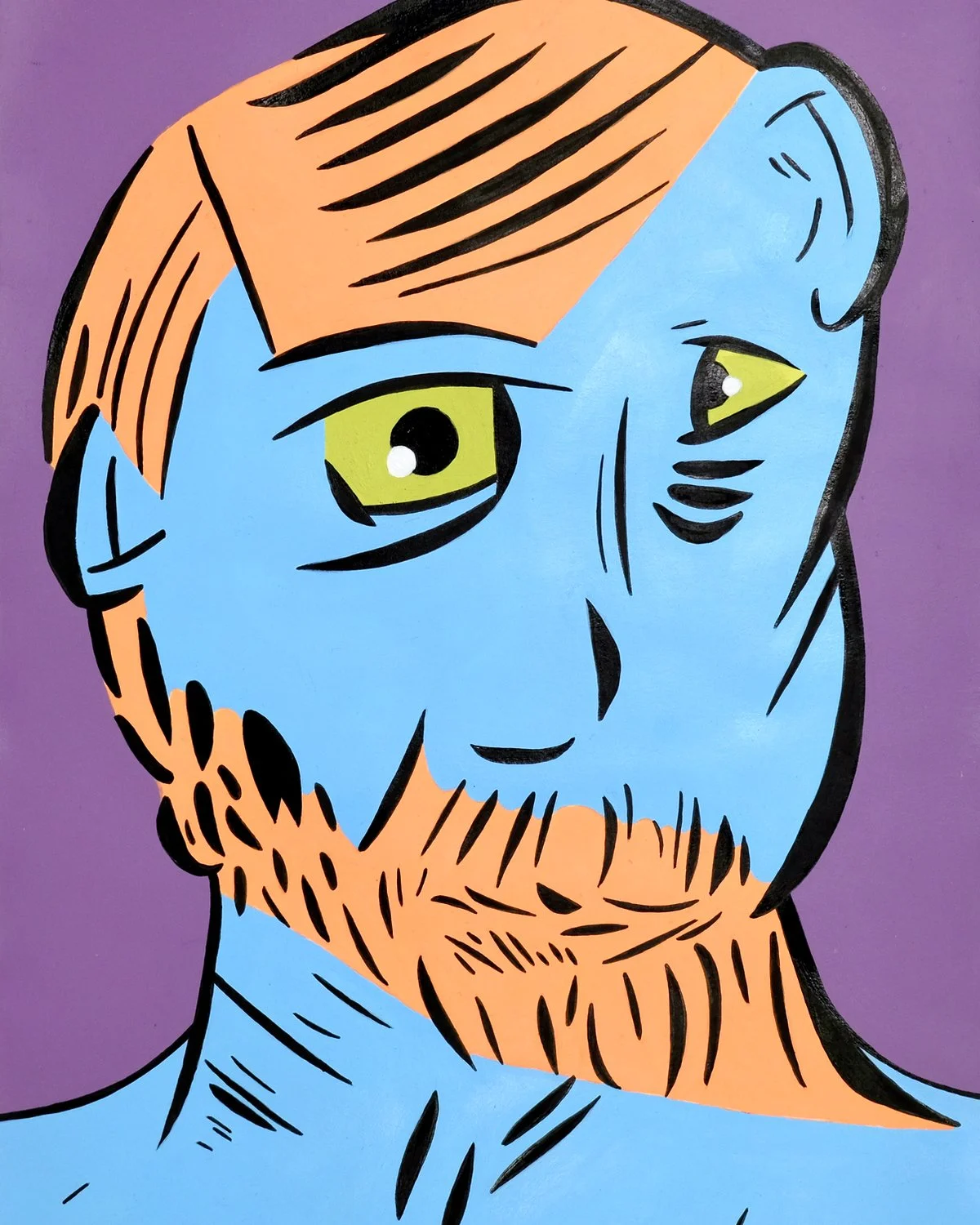
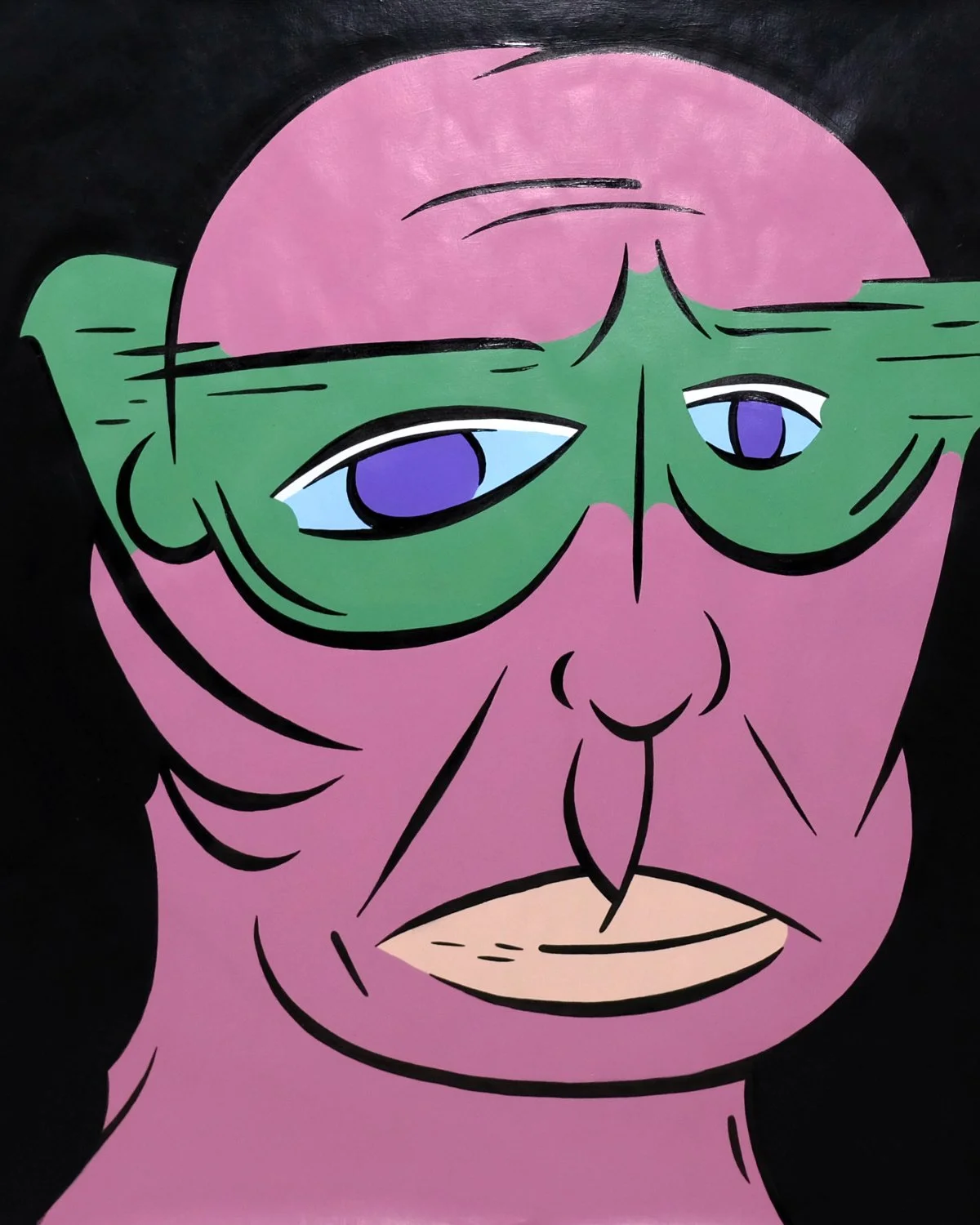
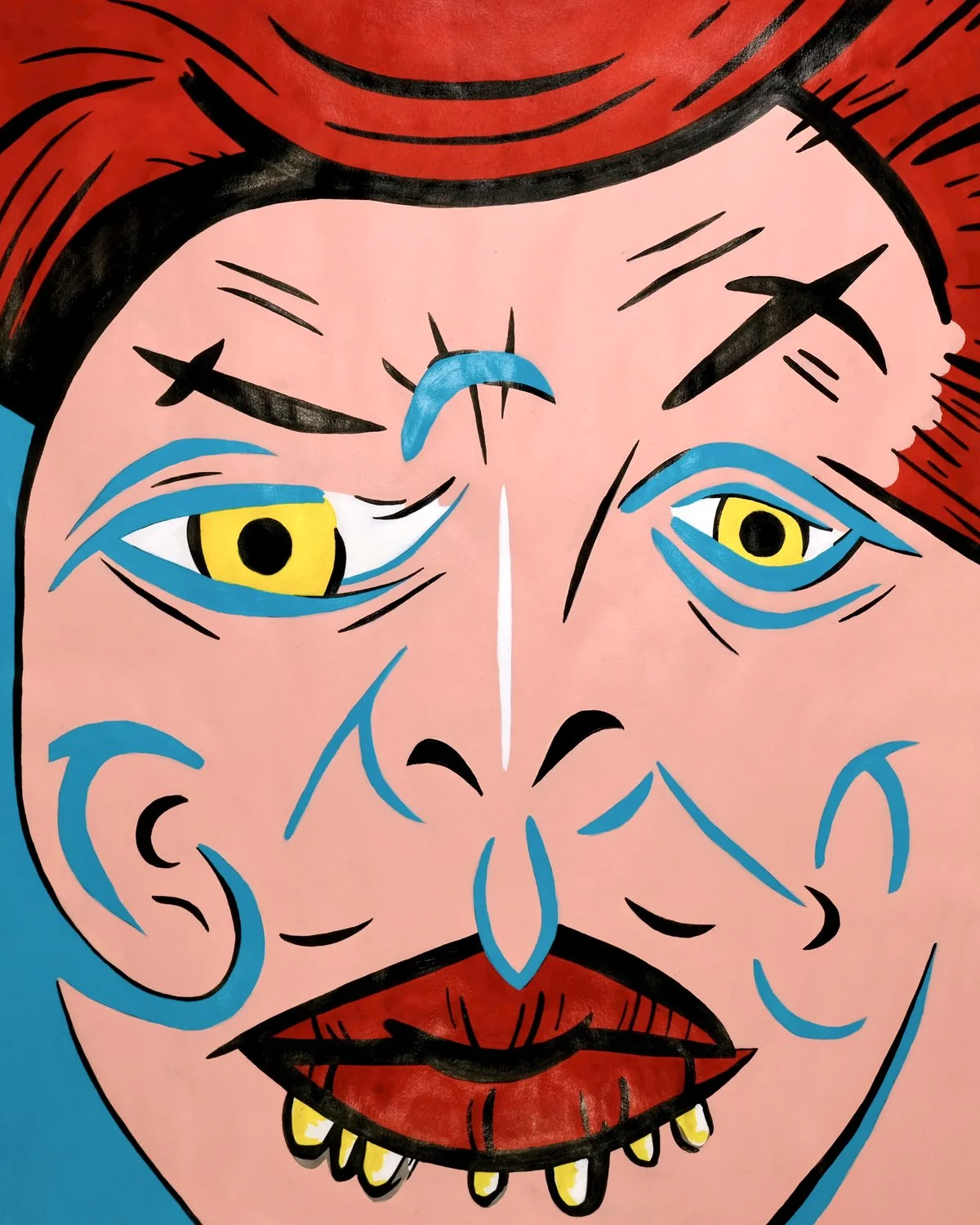
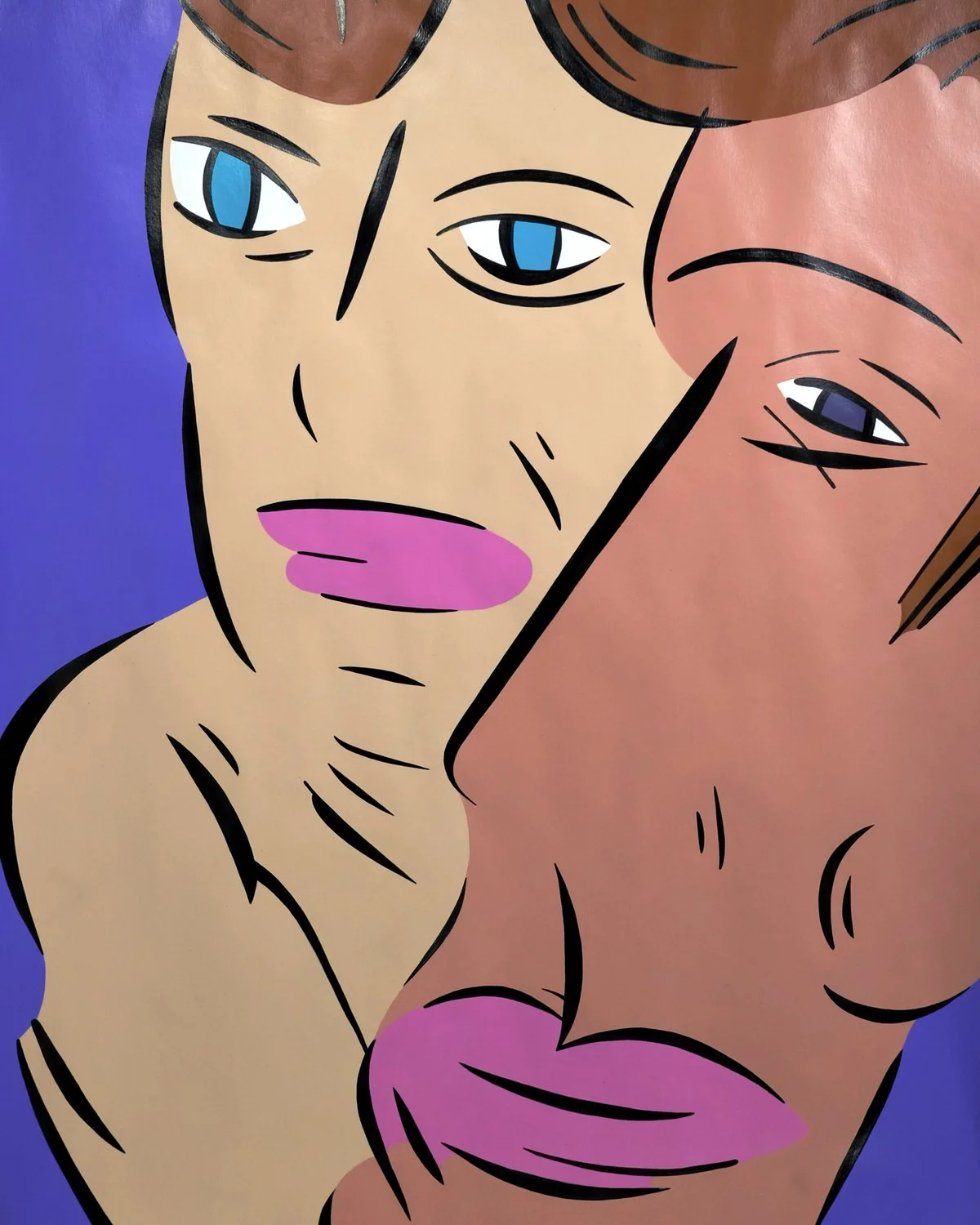
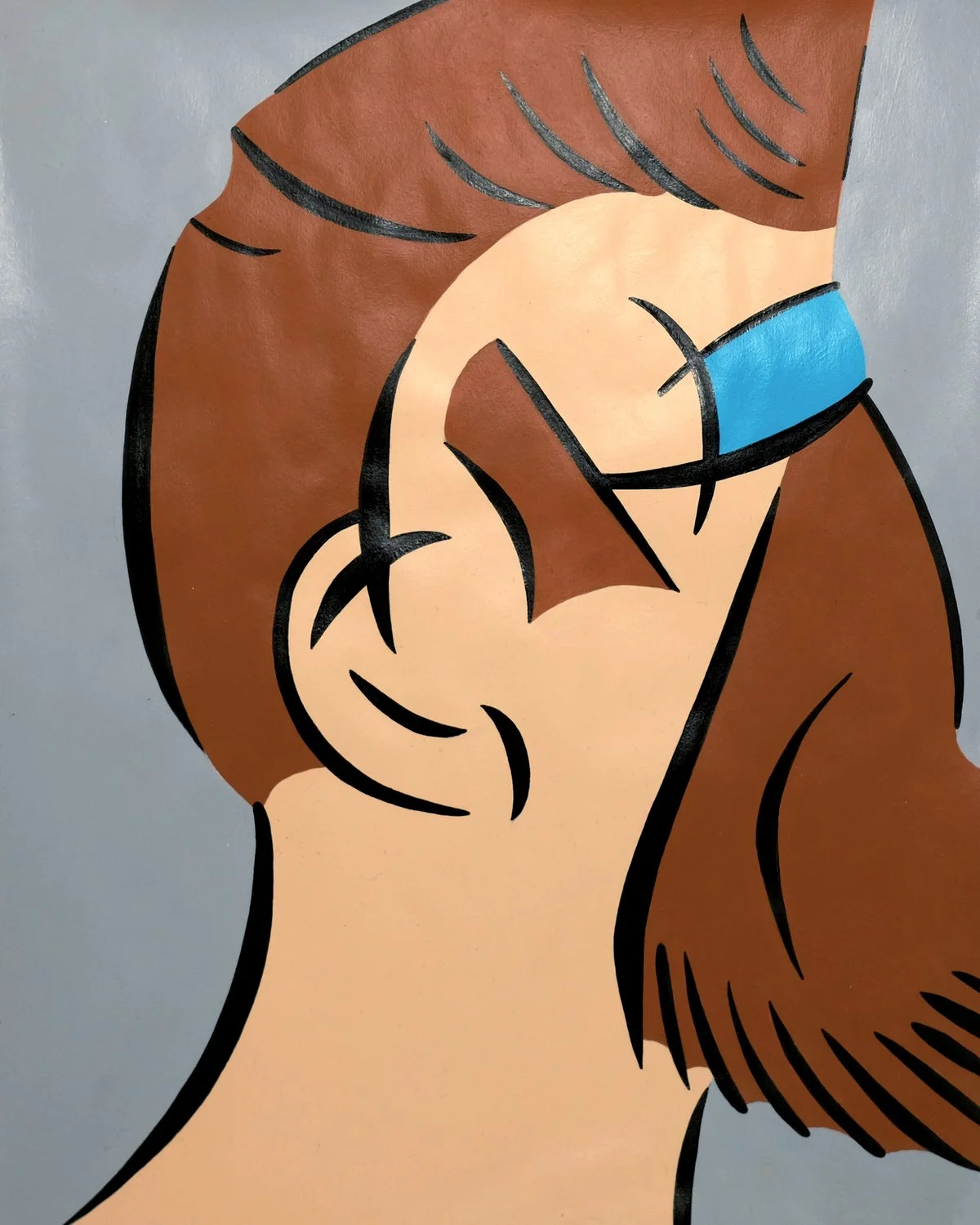
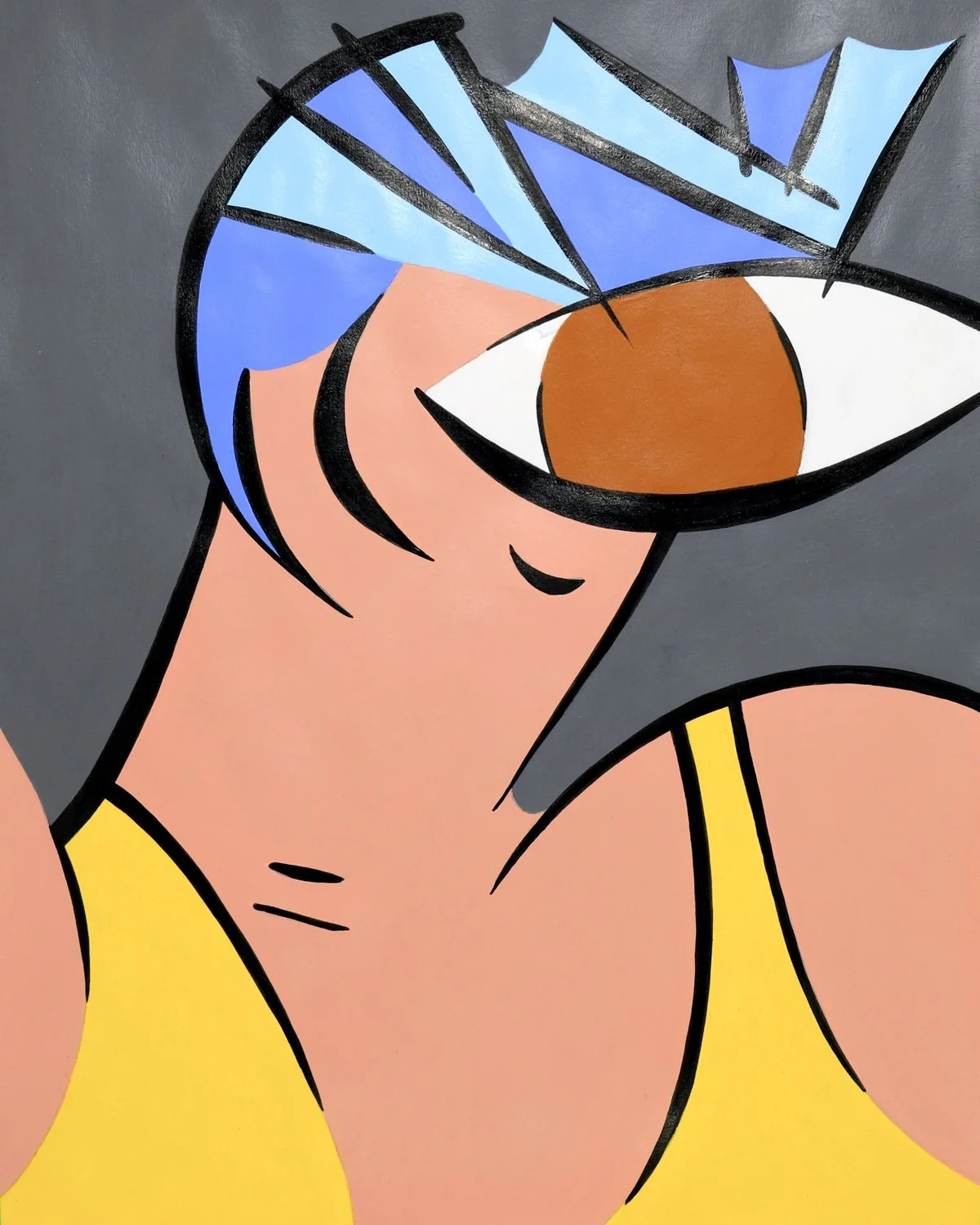
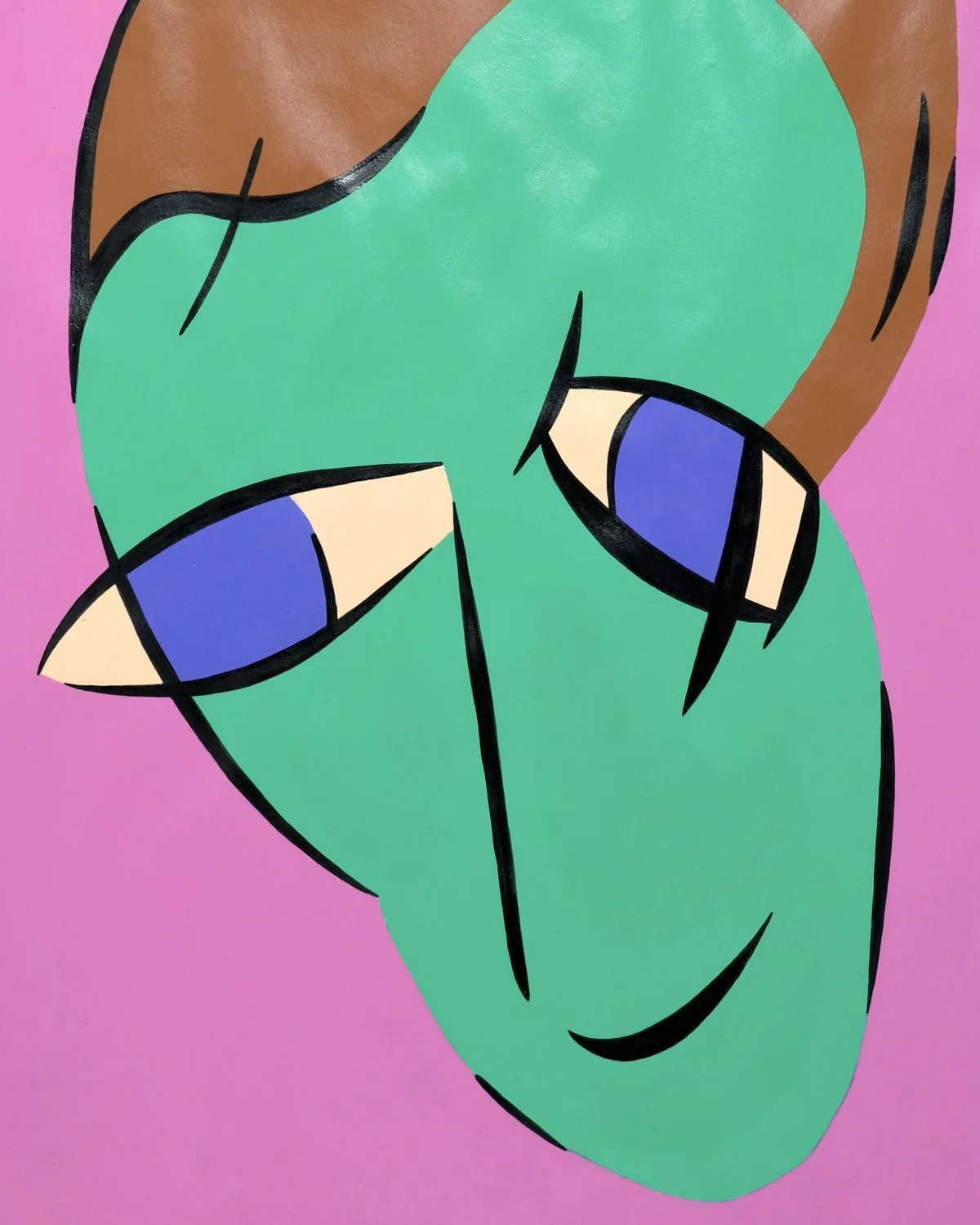
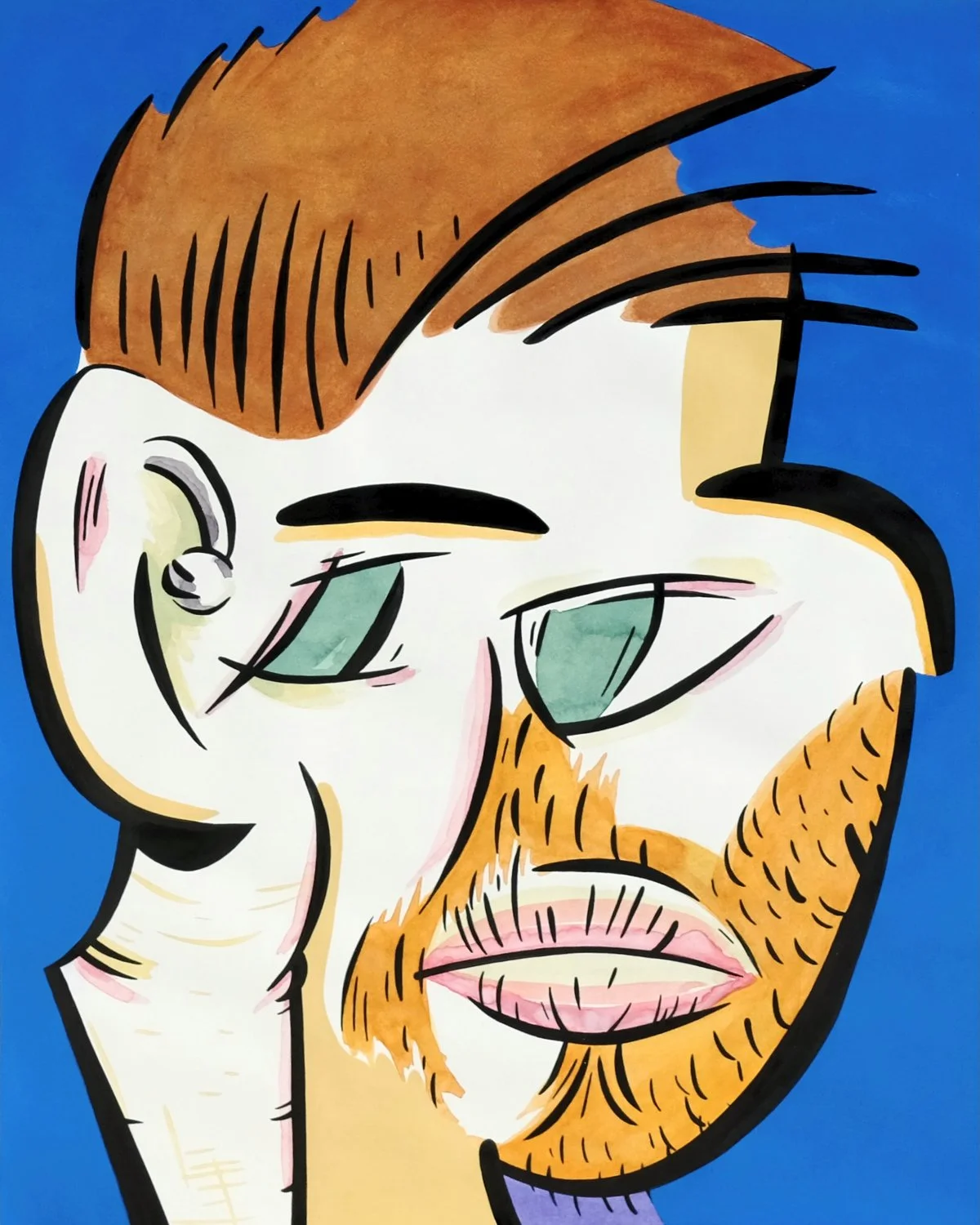
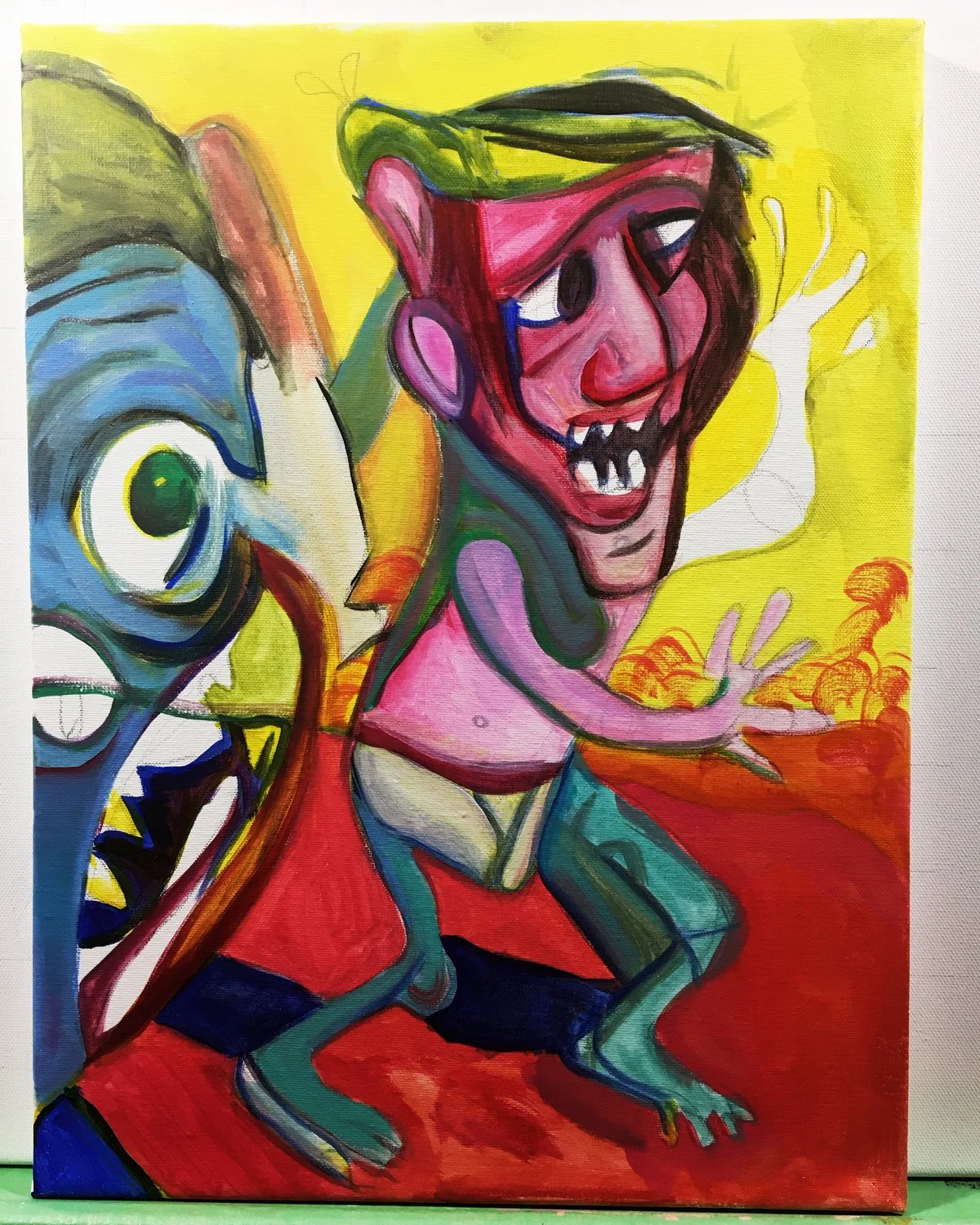
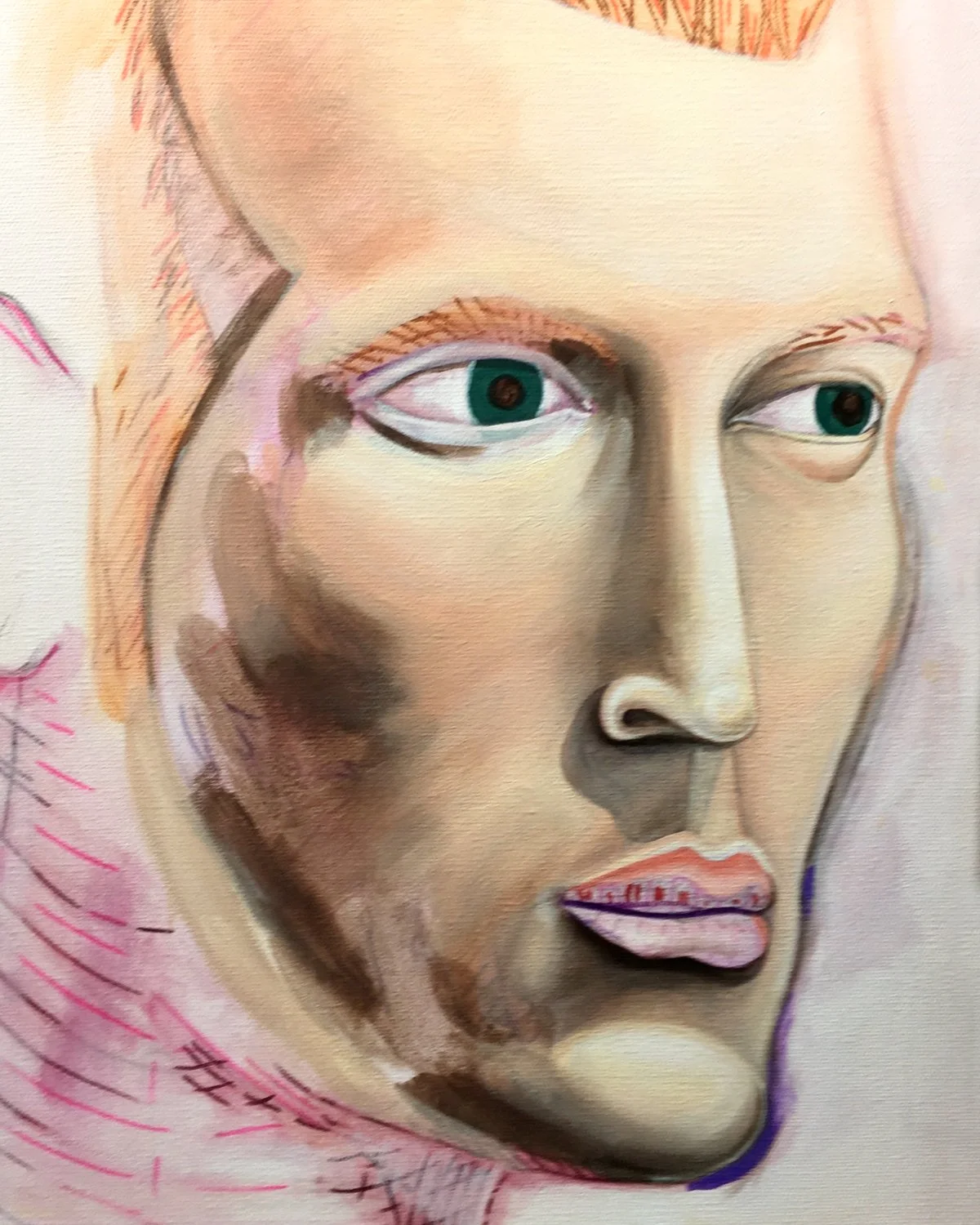
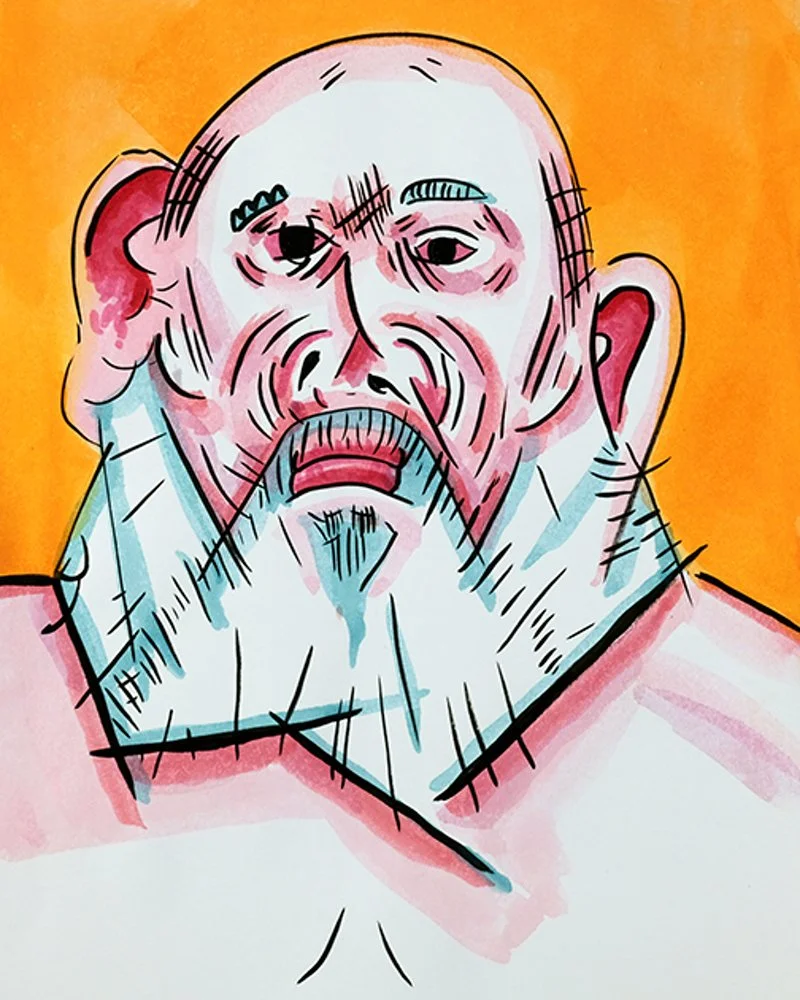
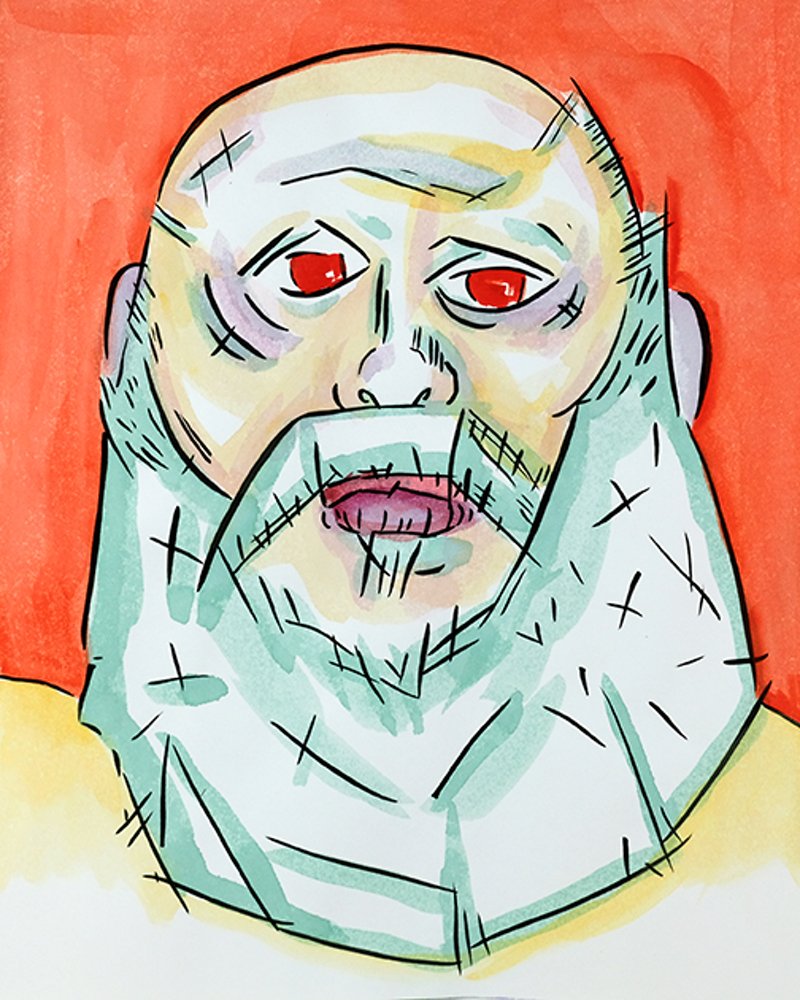
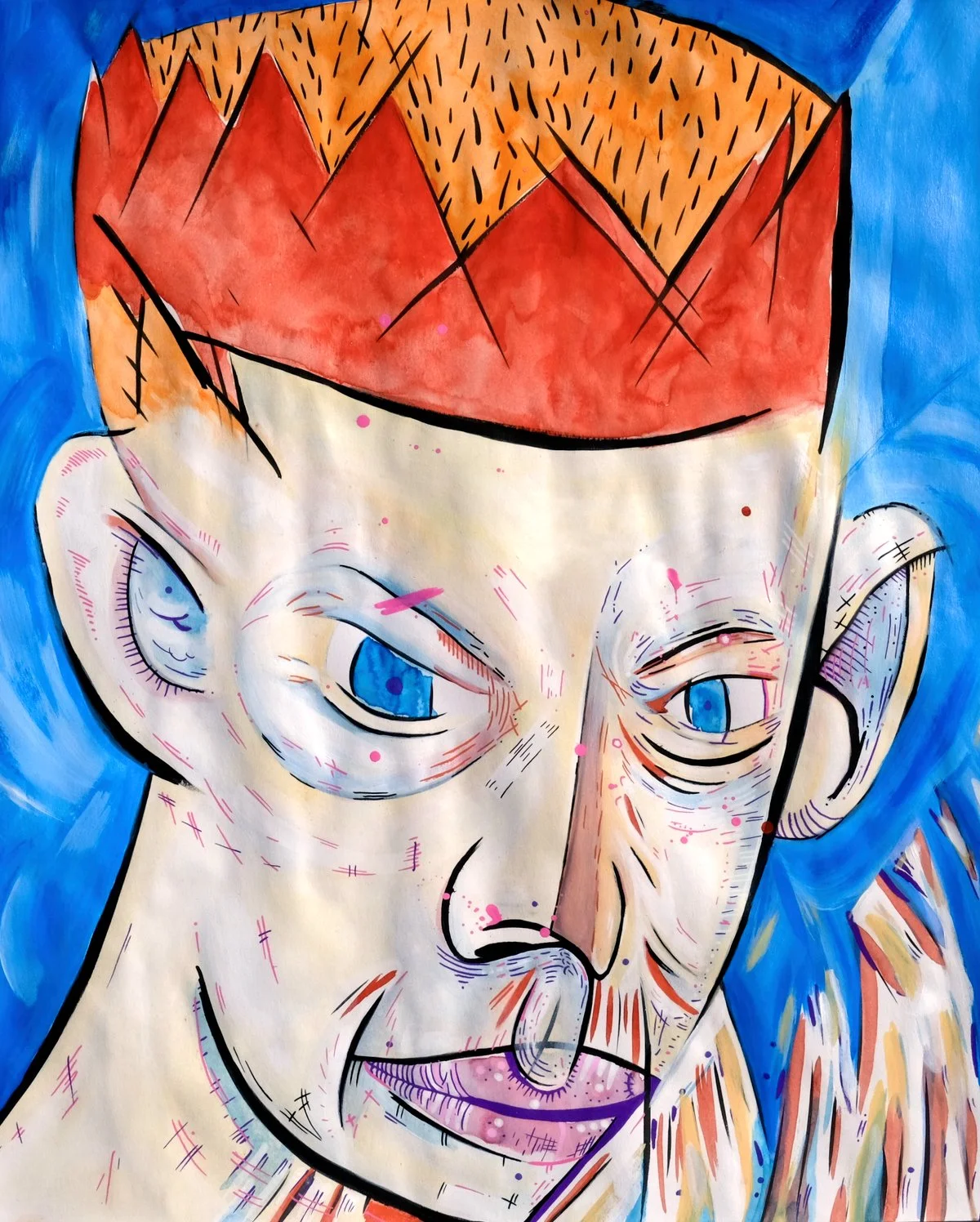
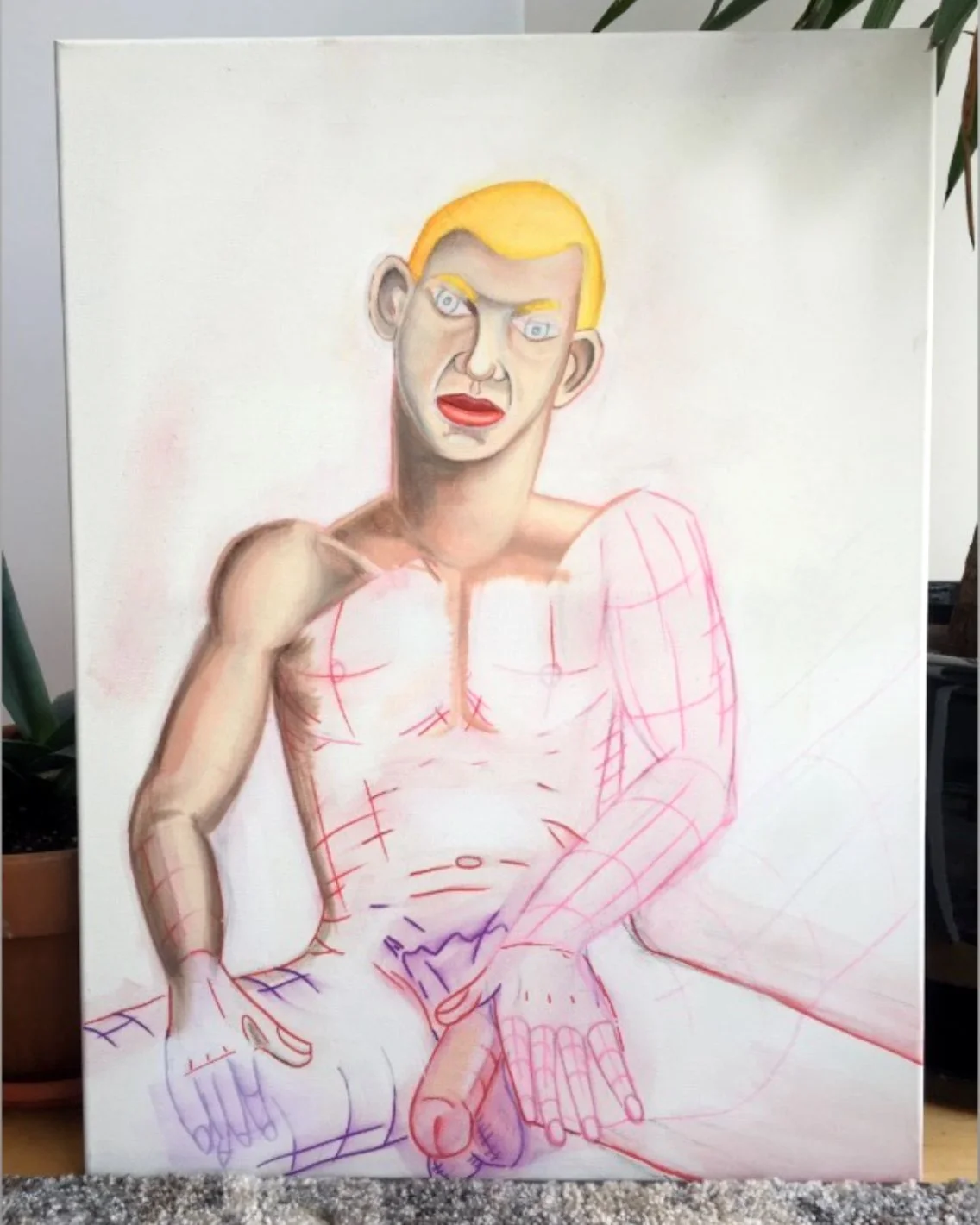
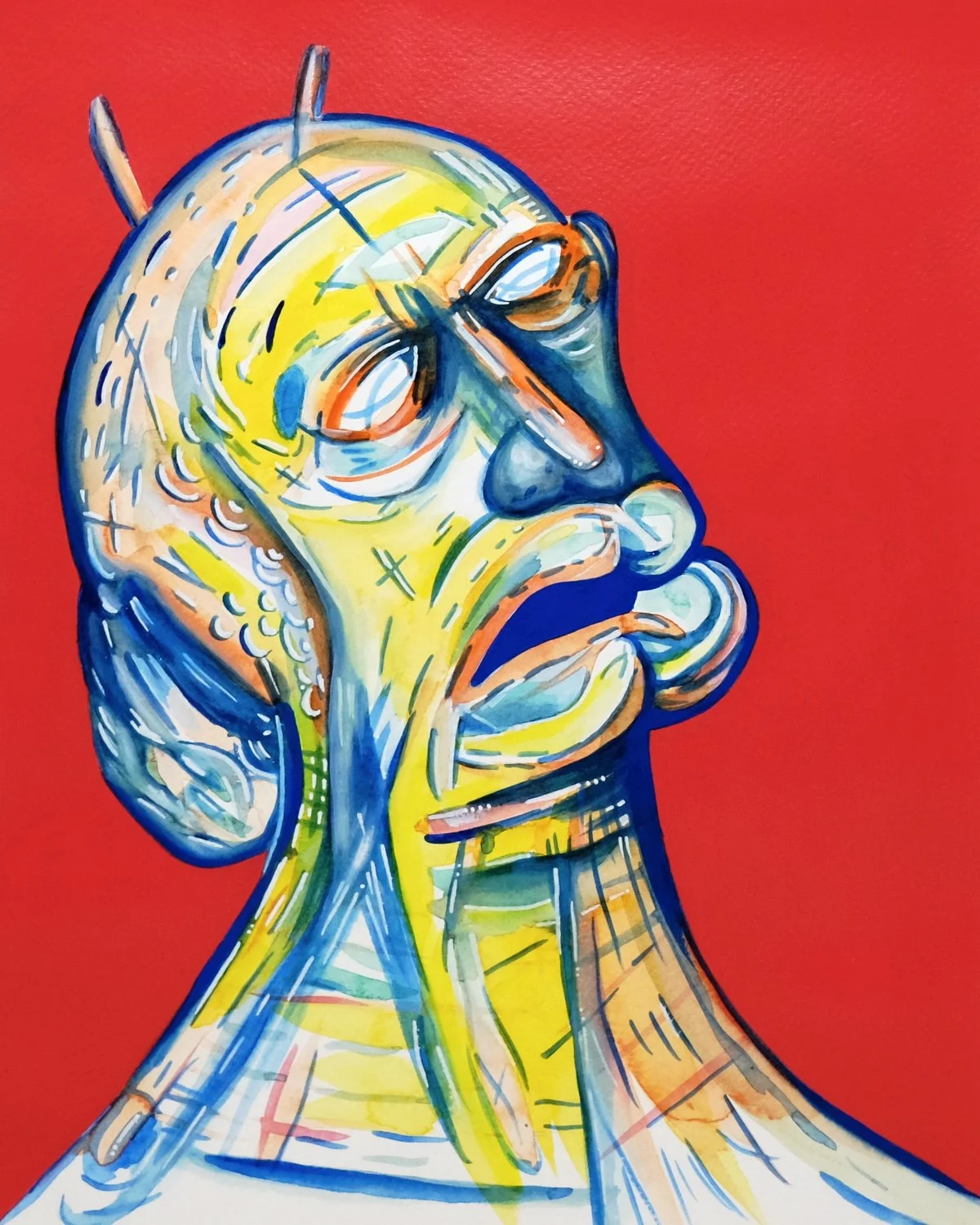
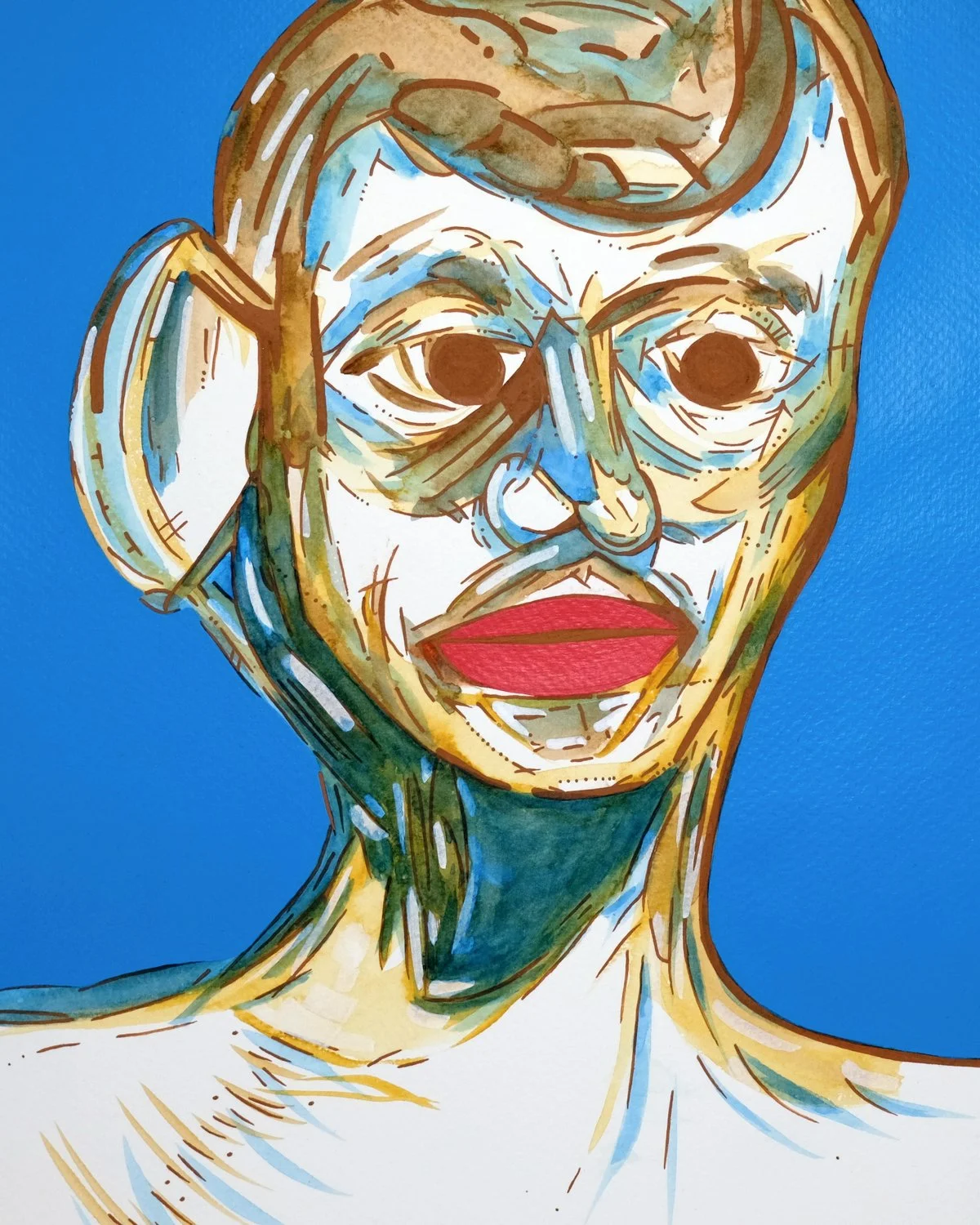
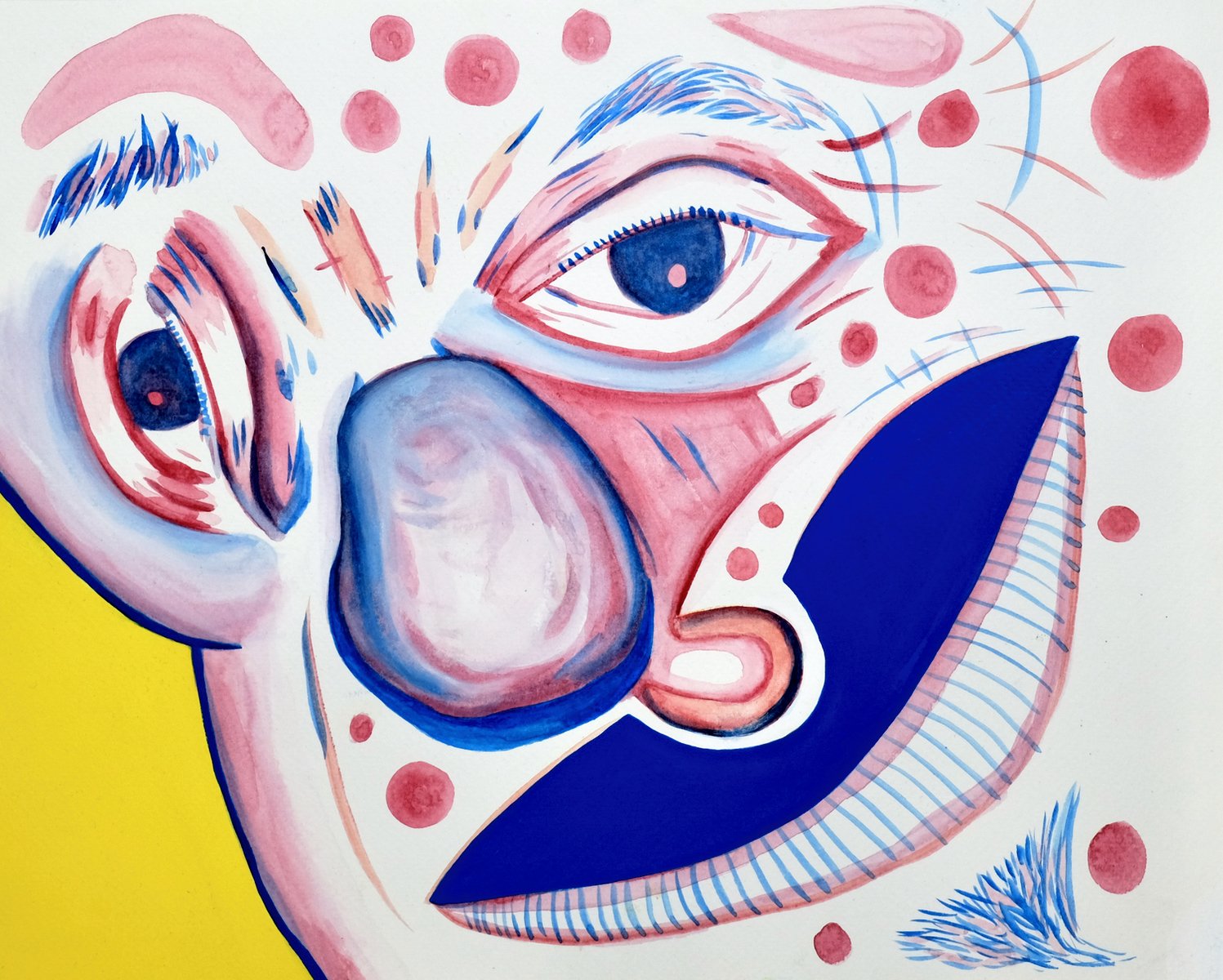
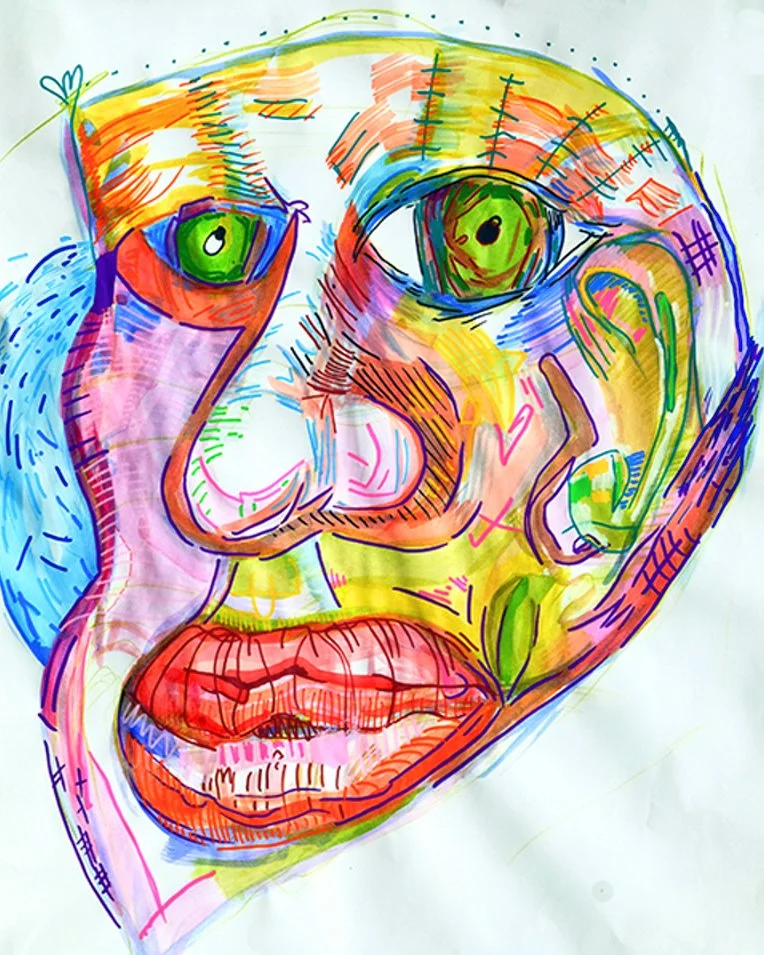
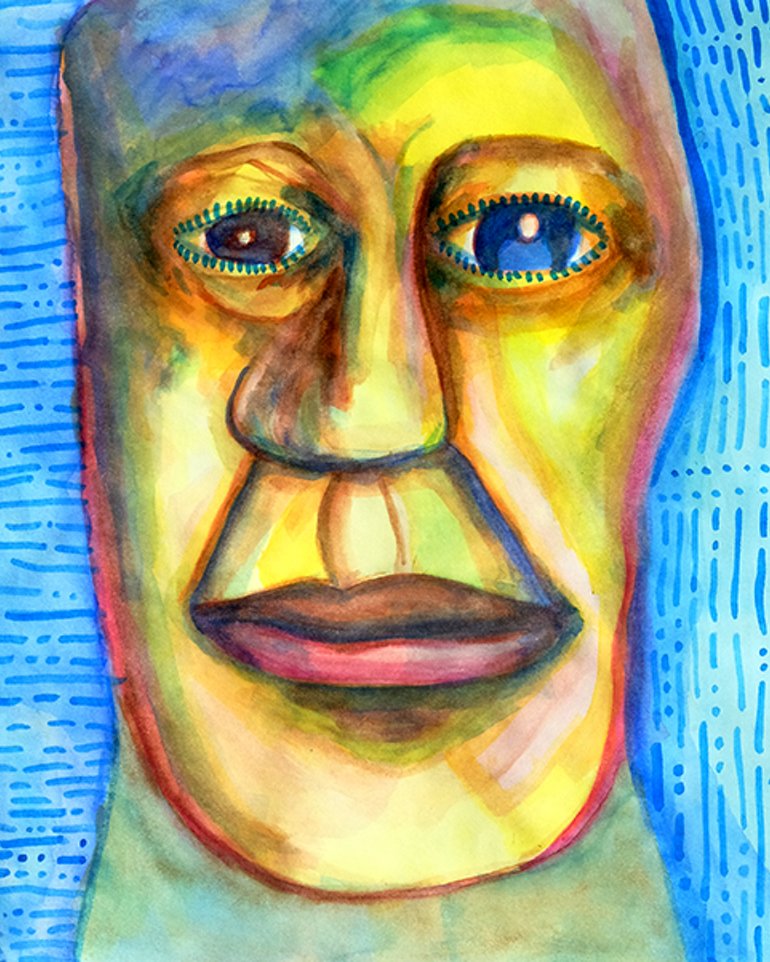
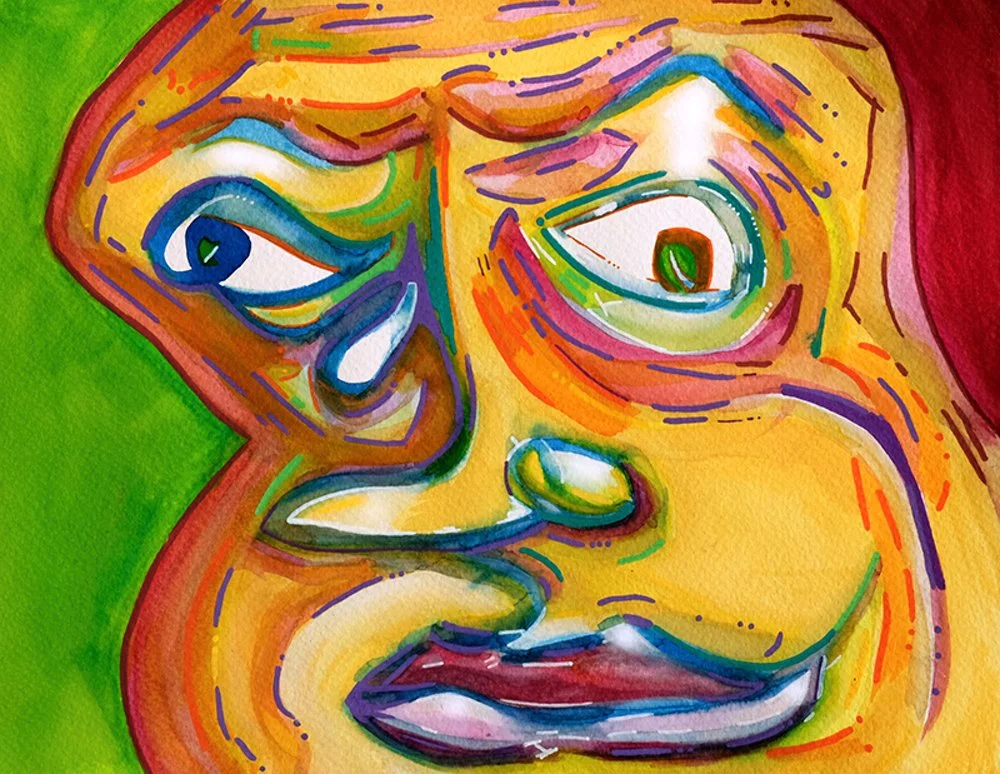
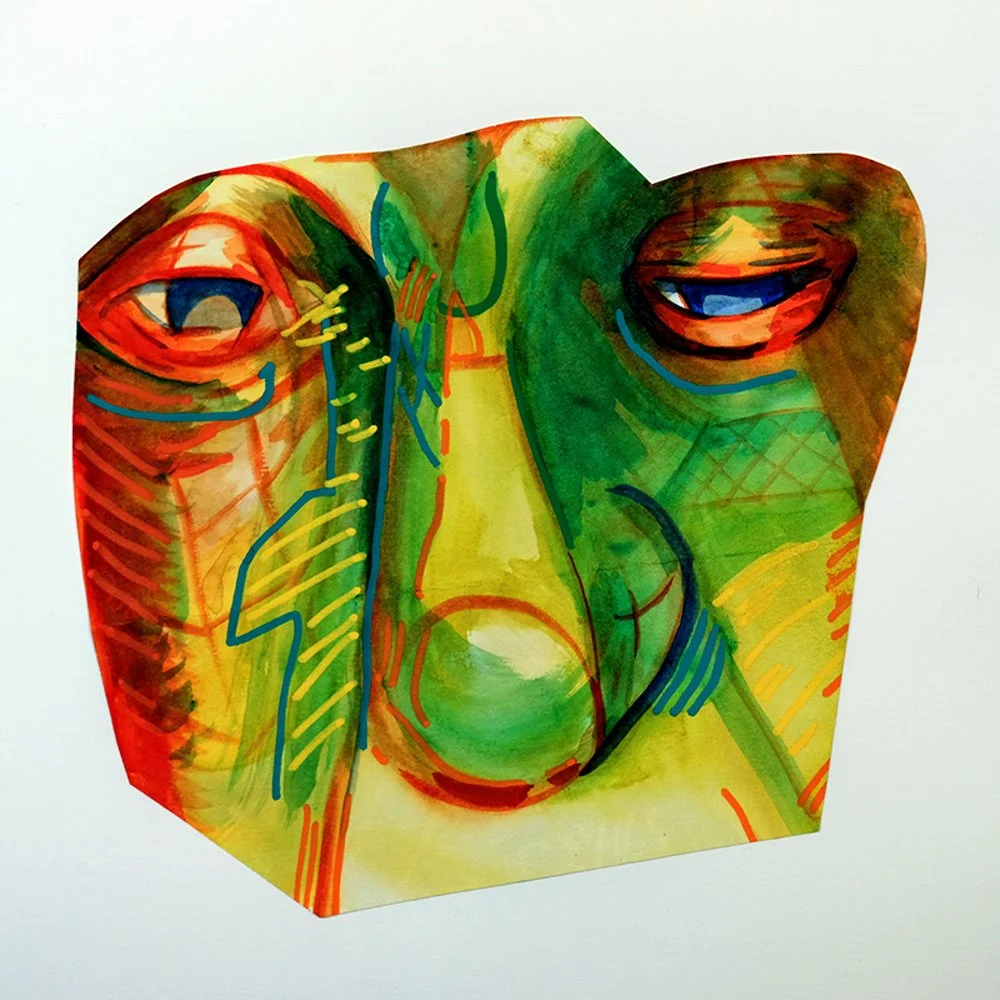
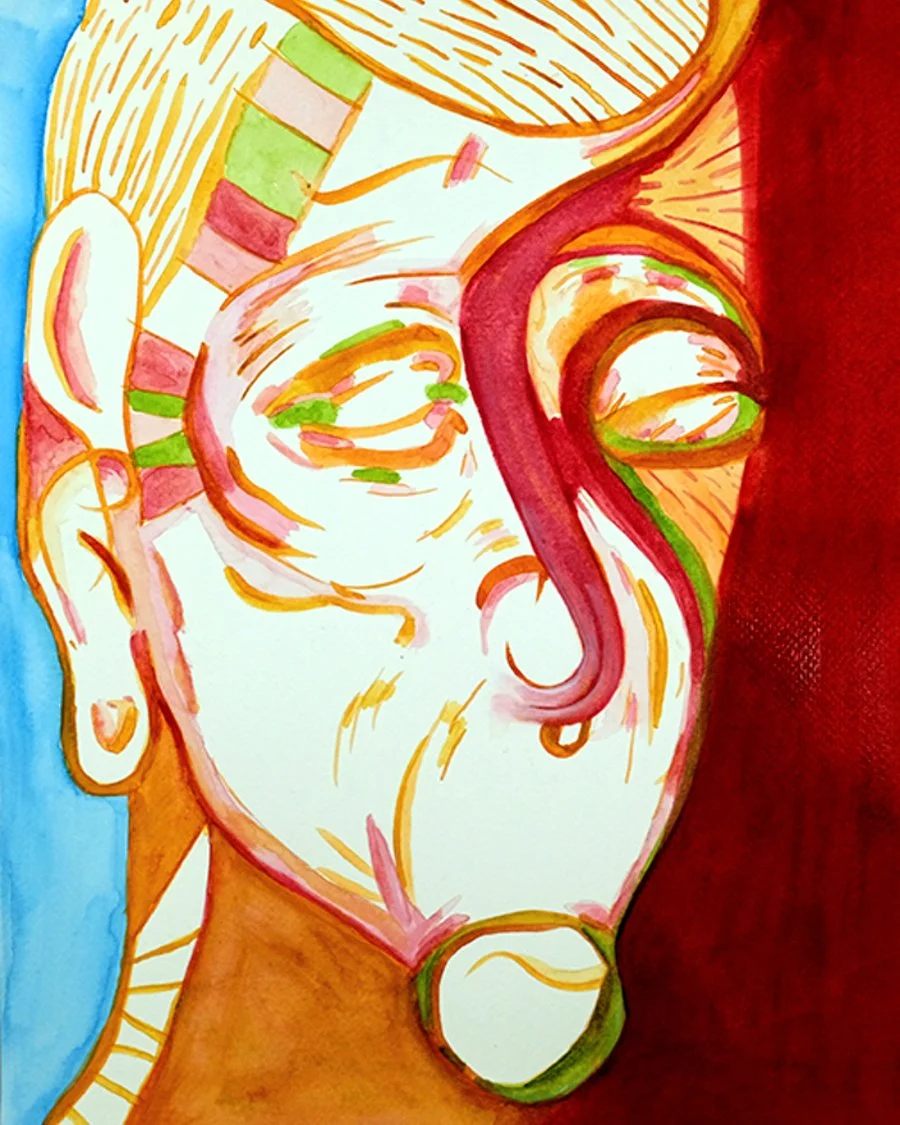
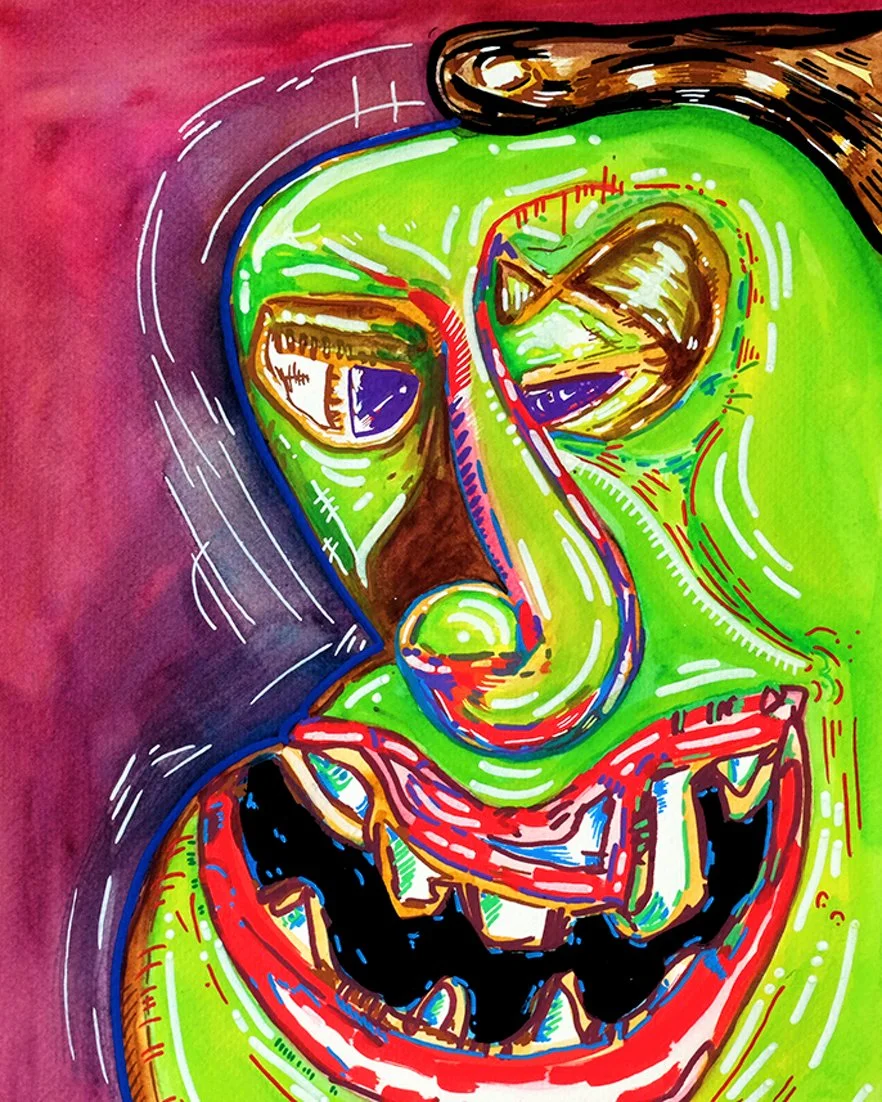
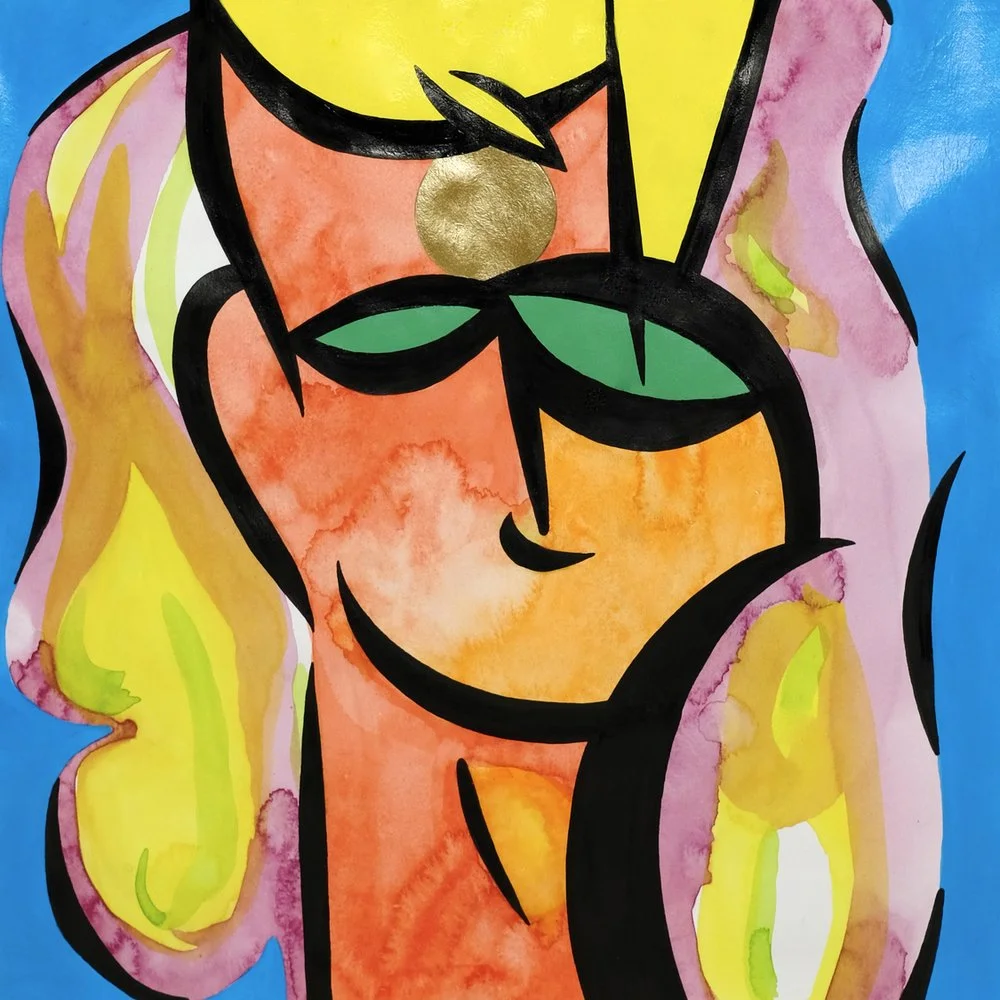
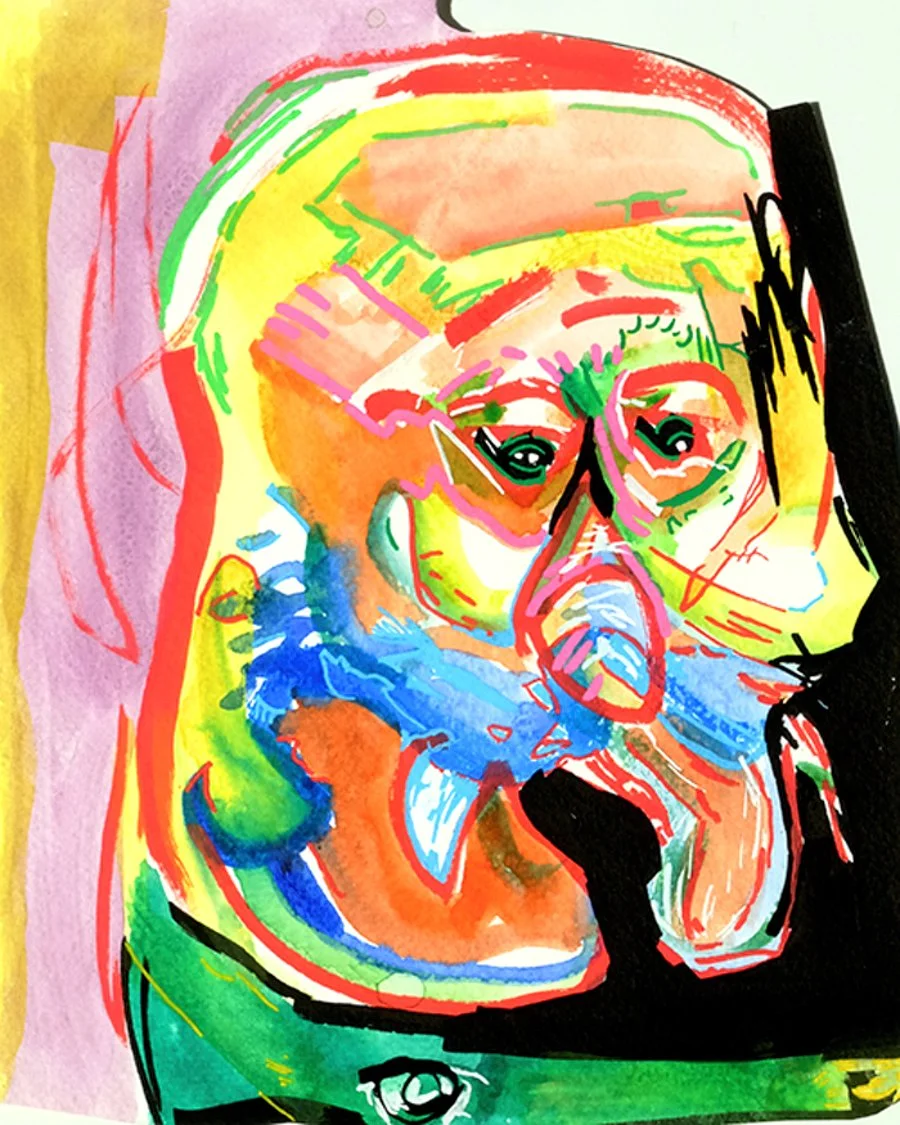
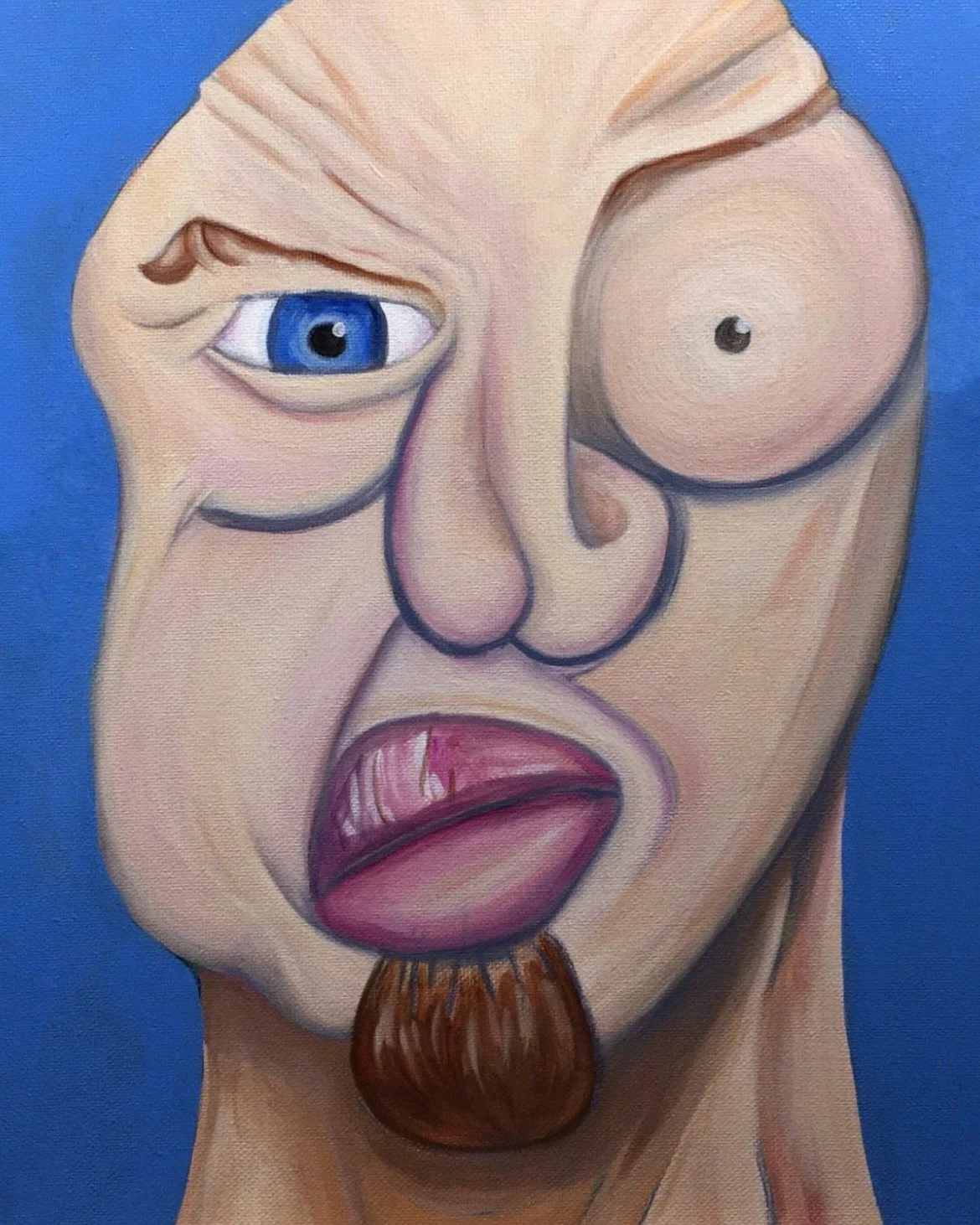
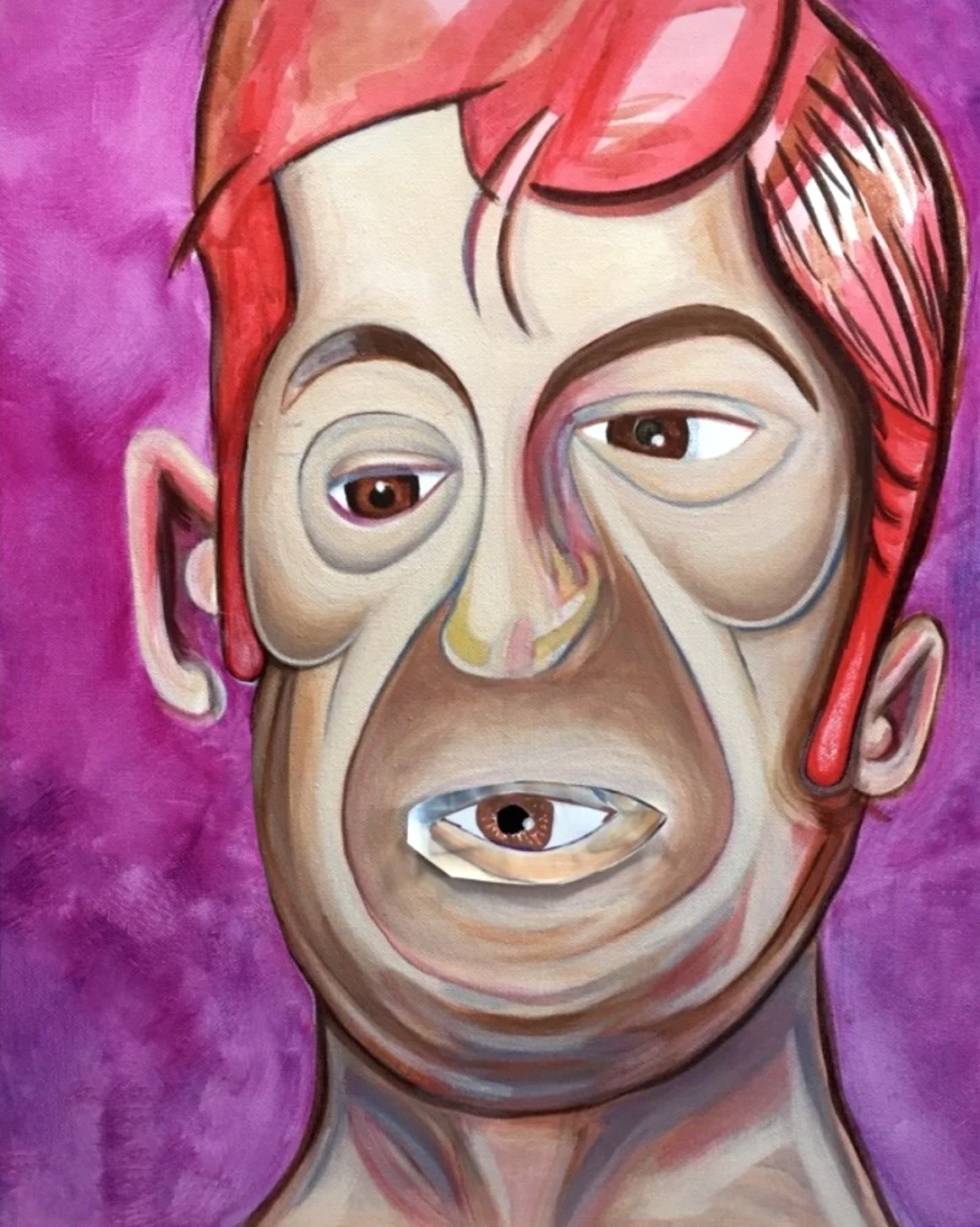
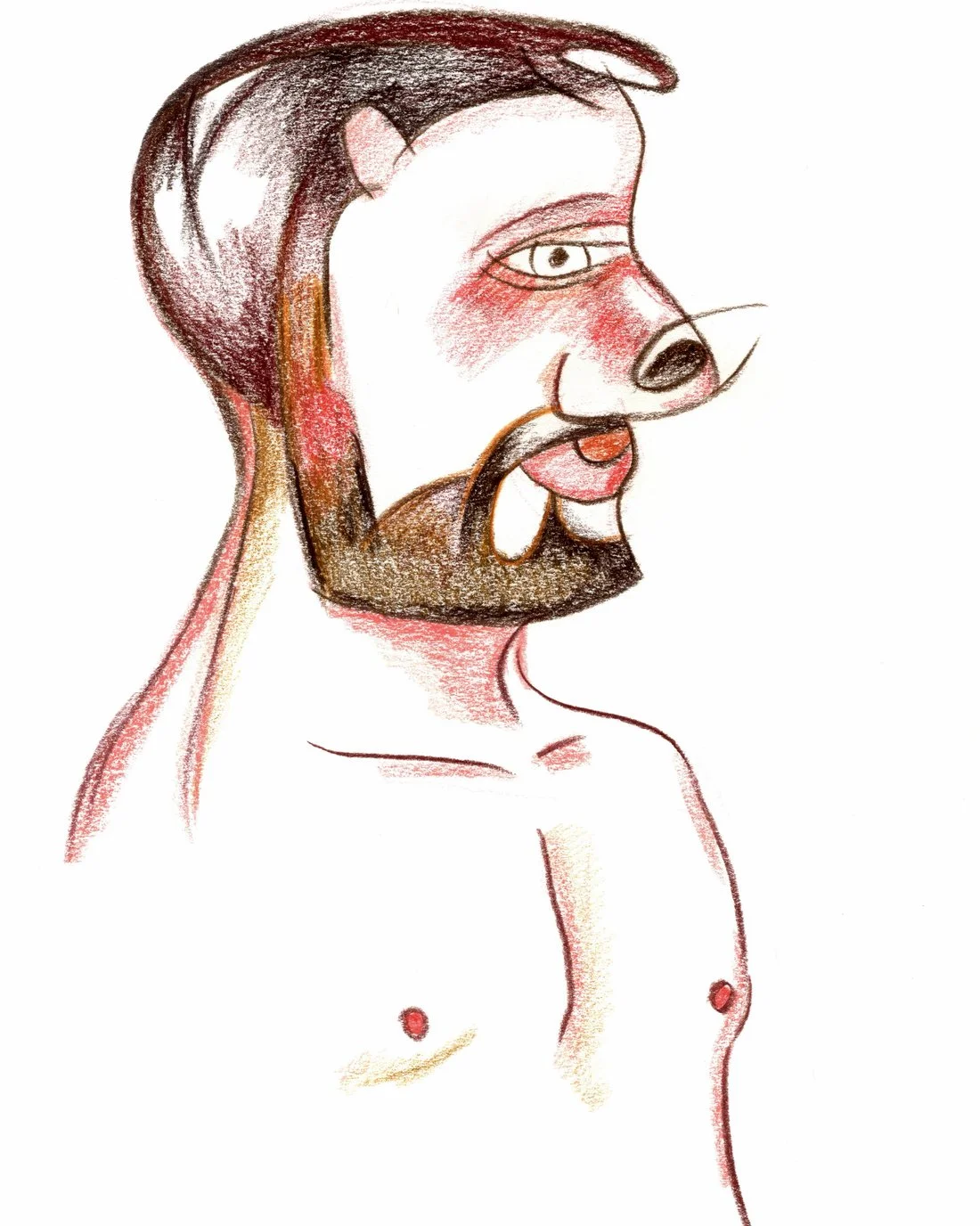
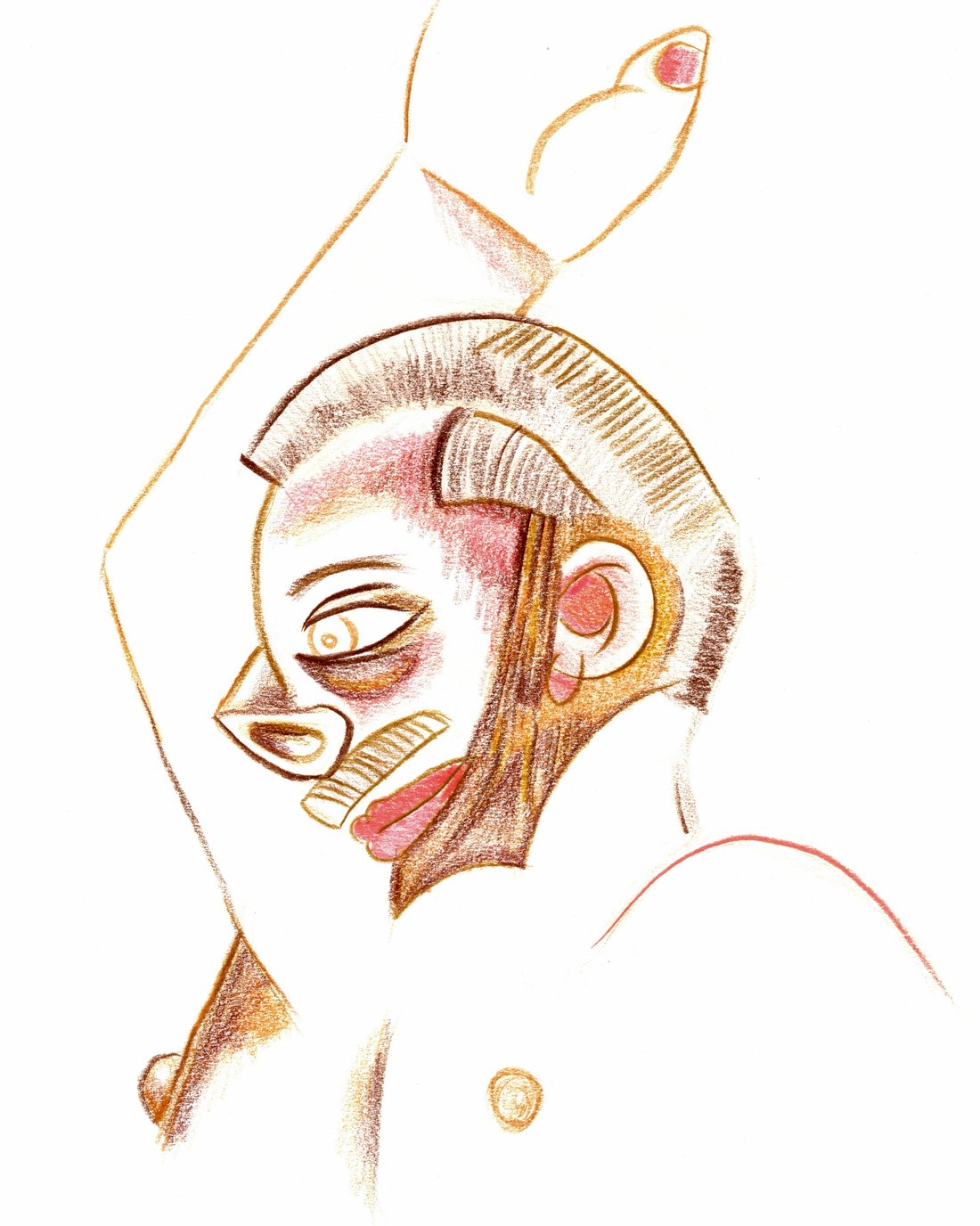
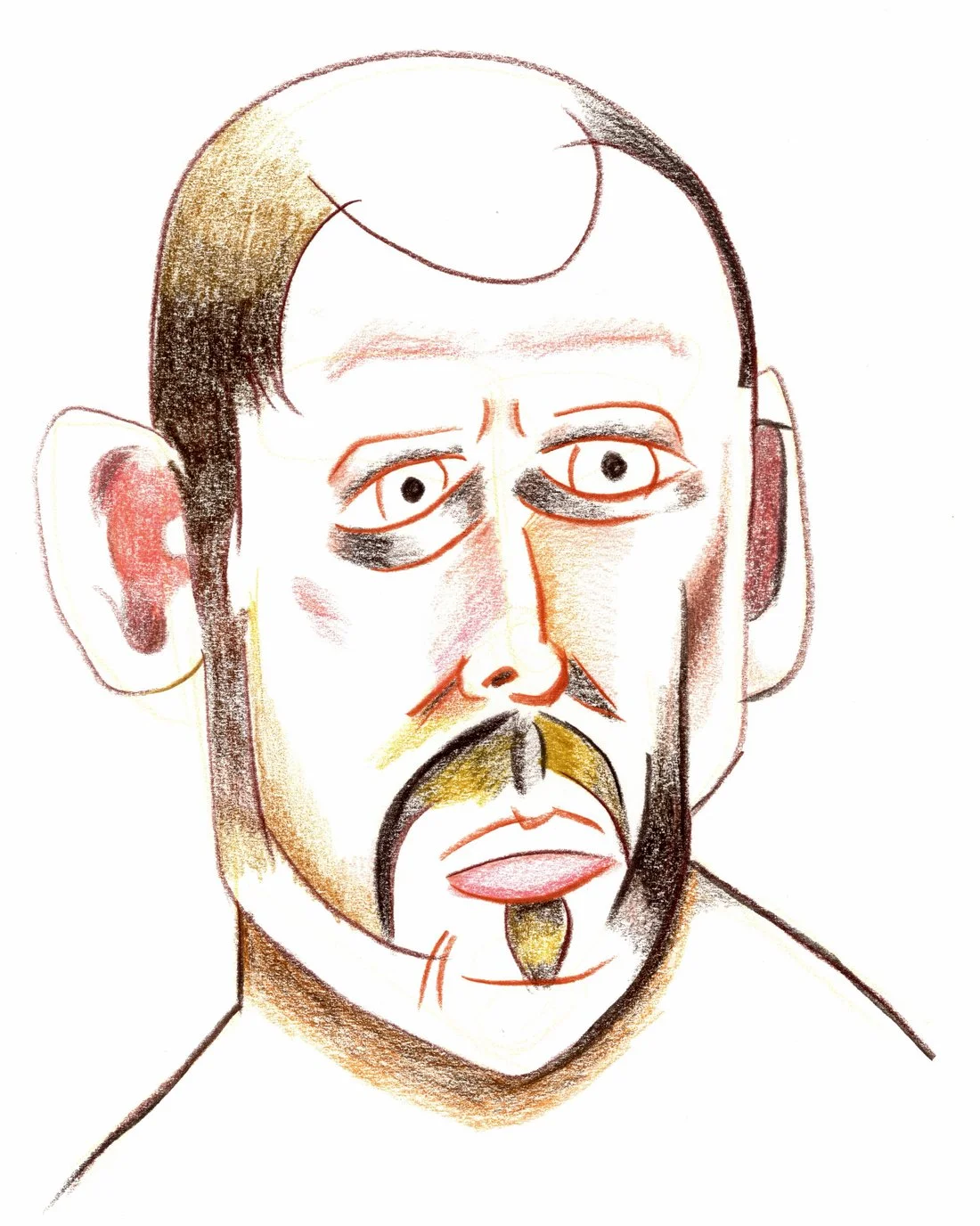
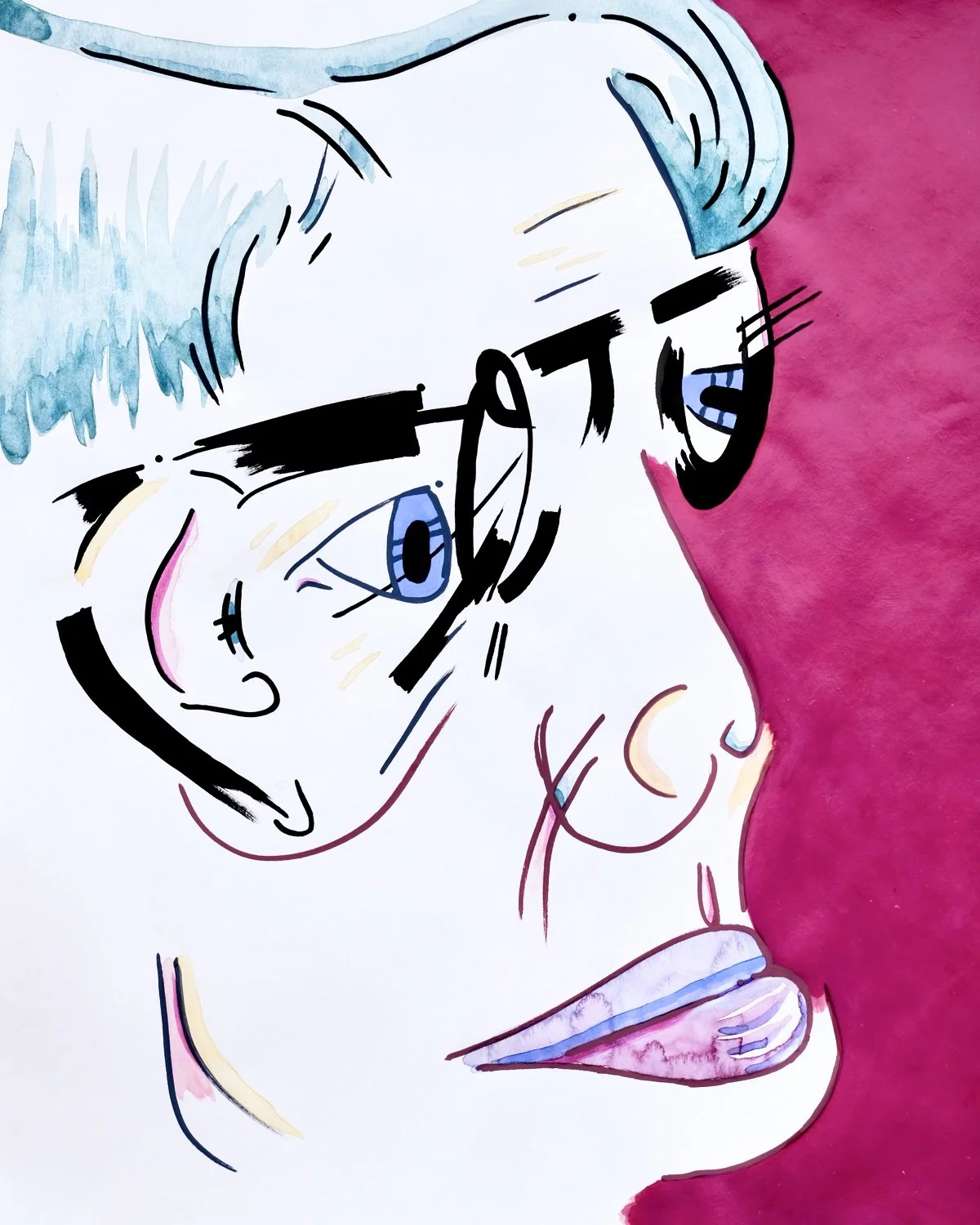
I returned to painting and drawing with a longstanding interest in the figure, portraiture, and abstraction, but I had struggled to find an approach that felt intuitive and alive. Earlier attempts at acrylic painting had often focused on realism, but the process felt slow and restrictive, leading to false starts rather than a sense of discovery. A series of significant life changes, including the end of a relationship, travelling to Europe, living alone, and eventually the isolation of the pandemic, created a period of transition in which I began to reconsider how I wanted to work.
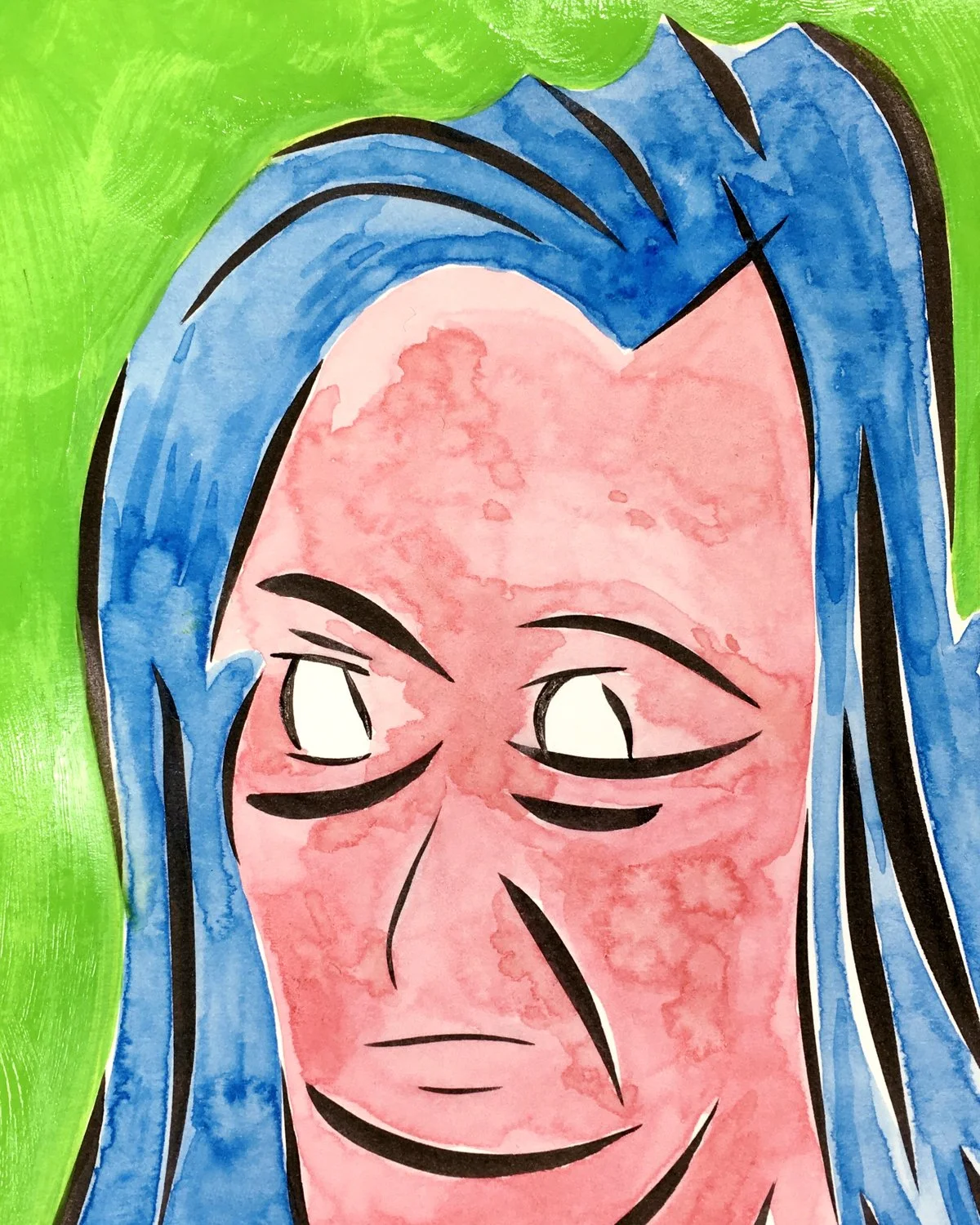
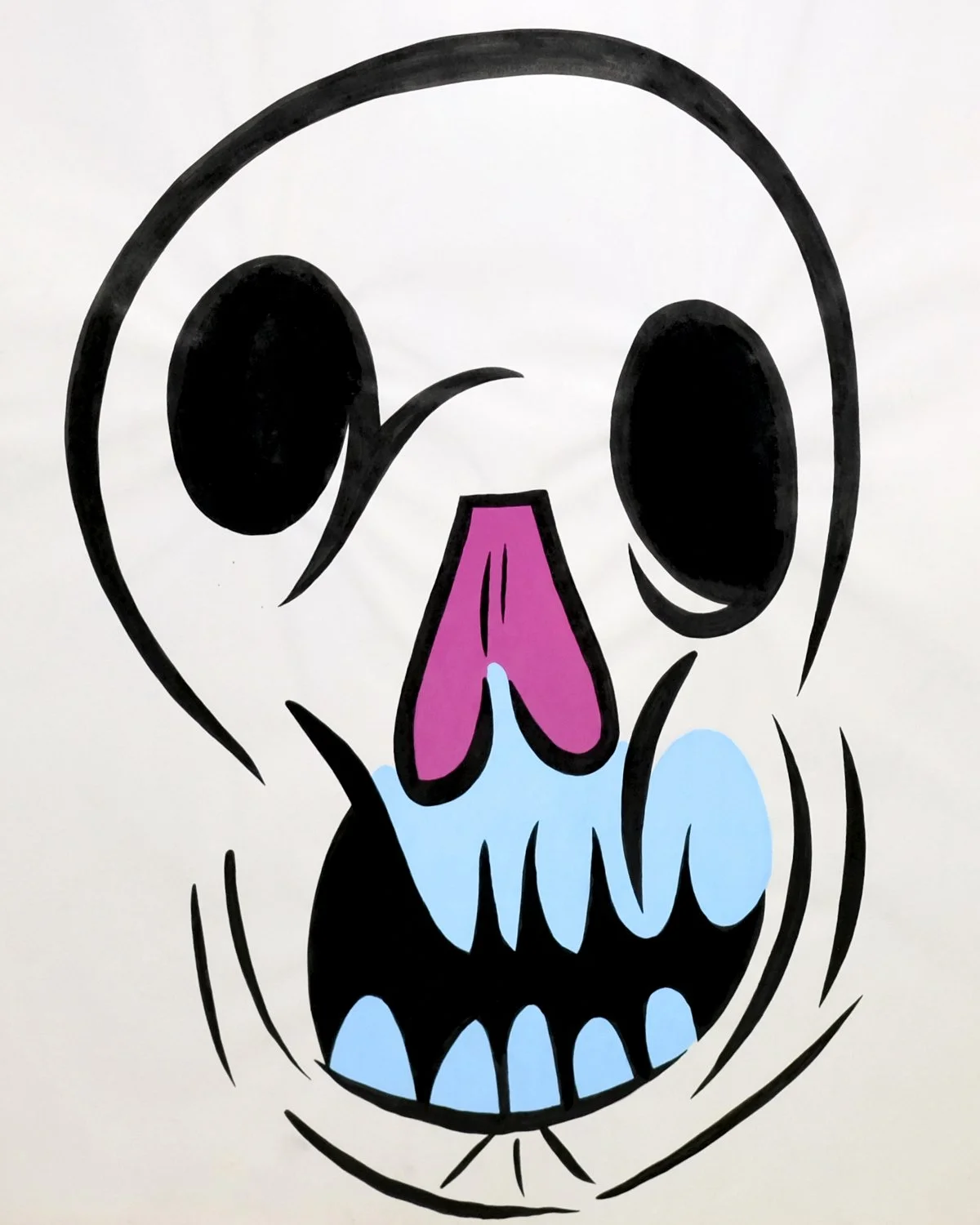
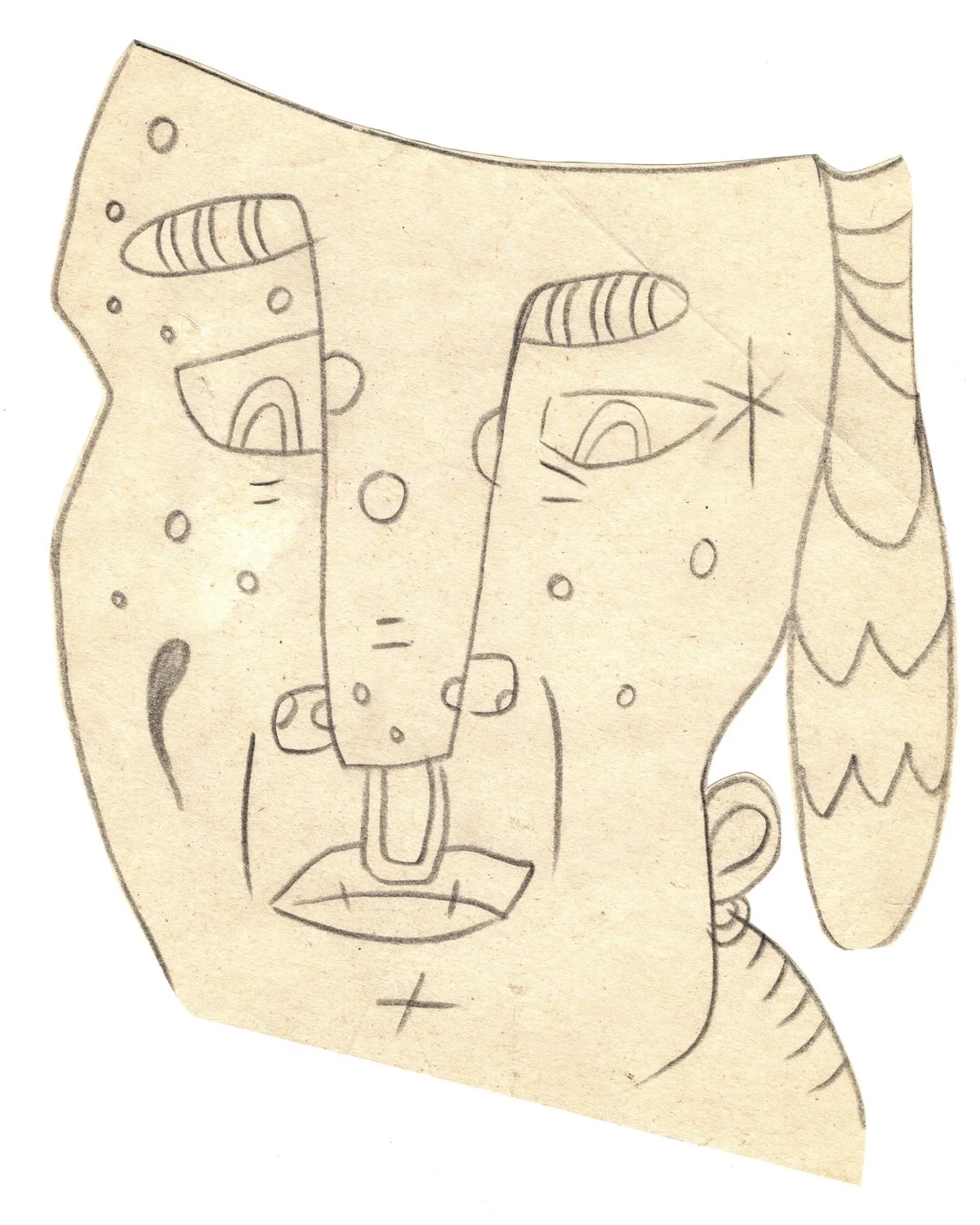
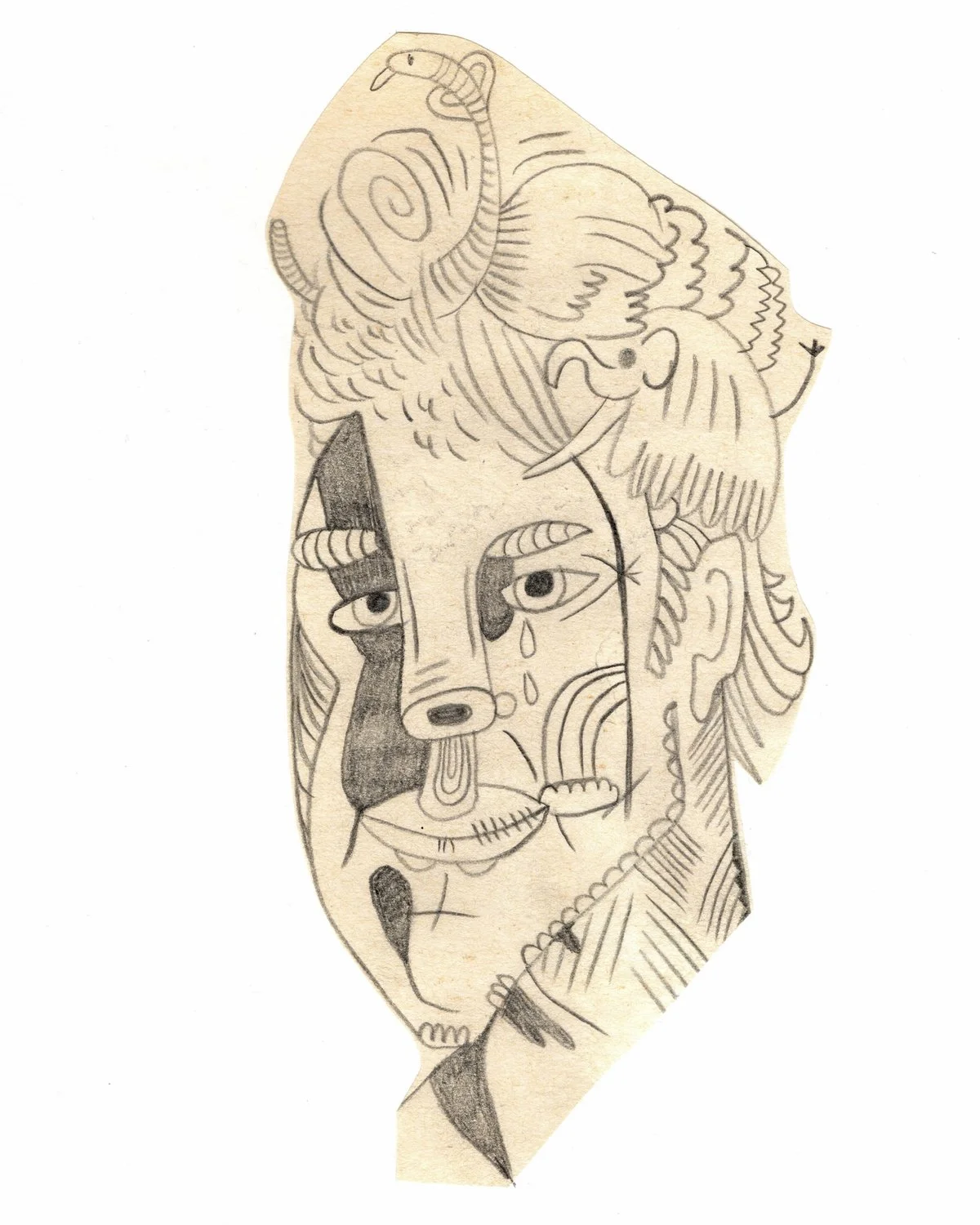
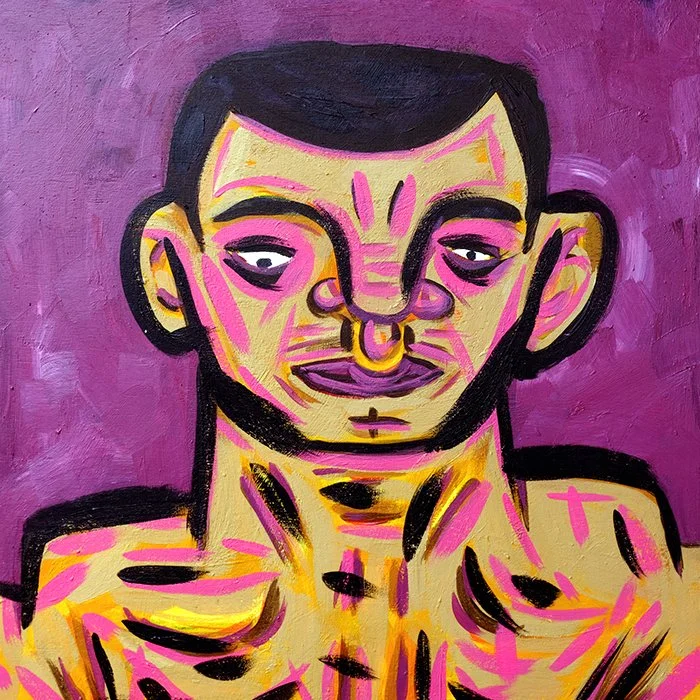
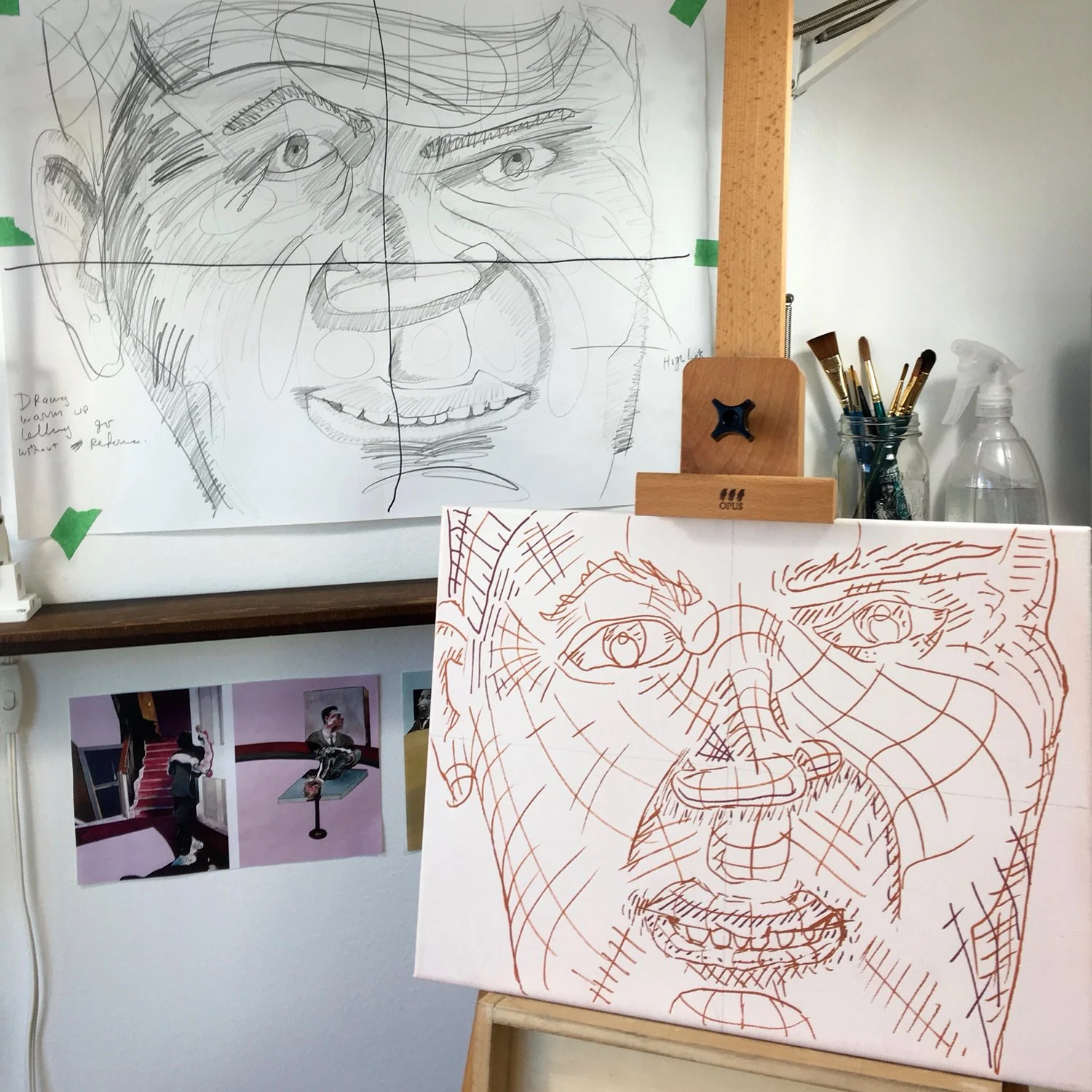
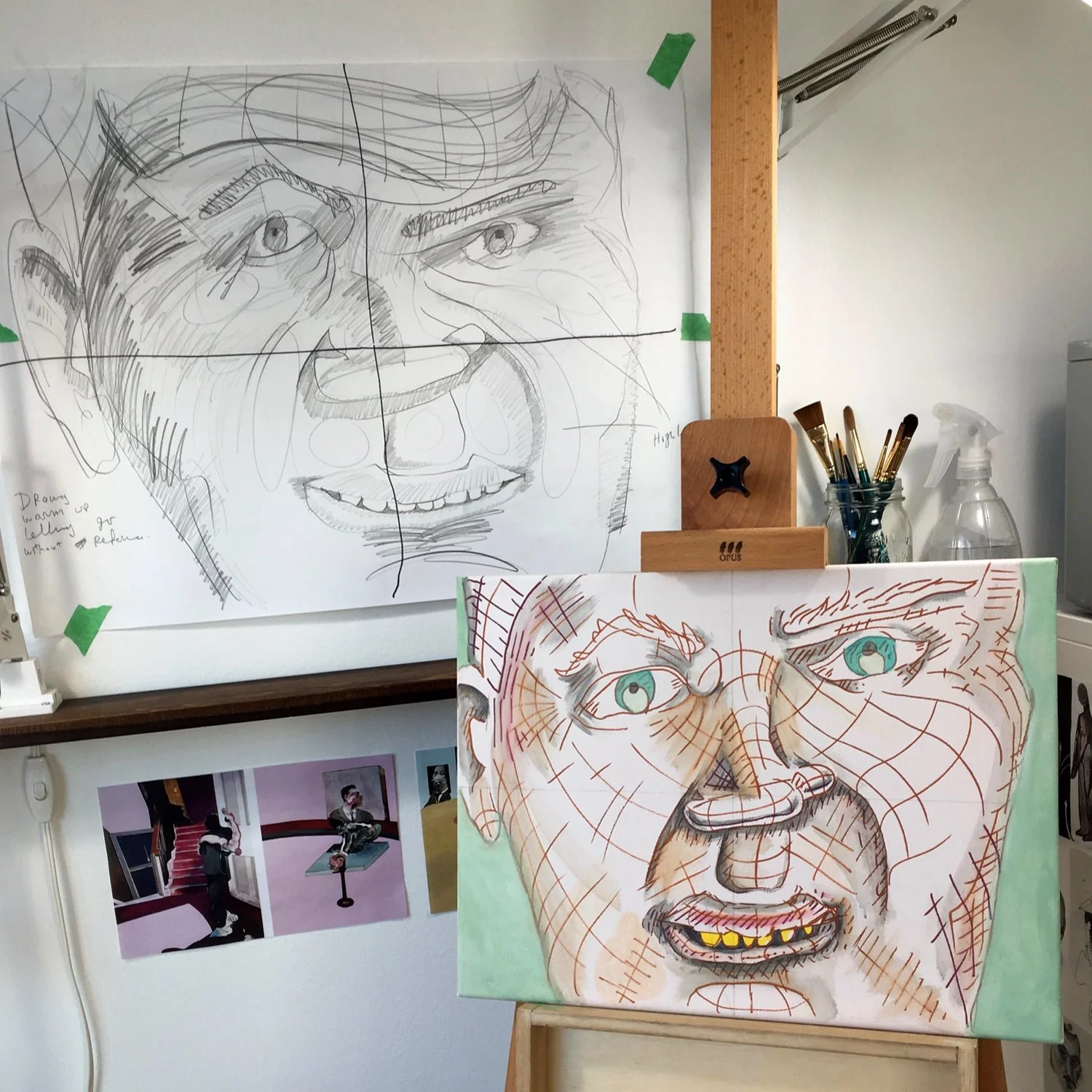
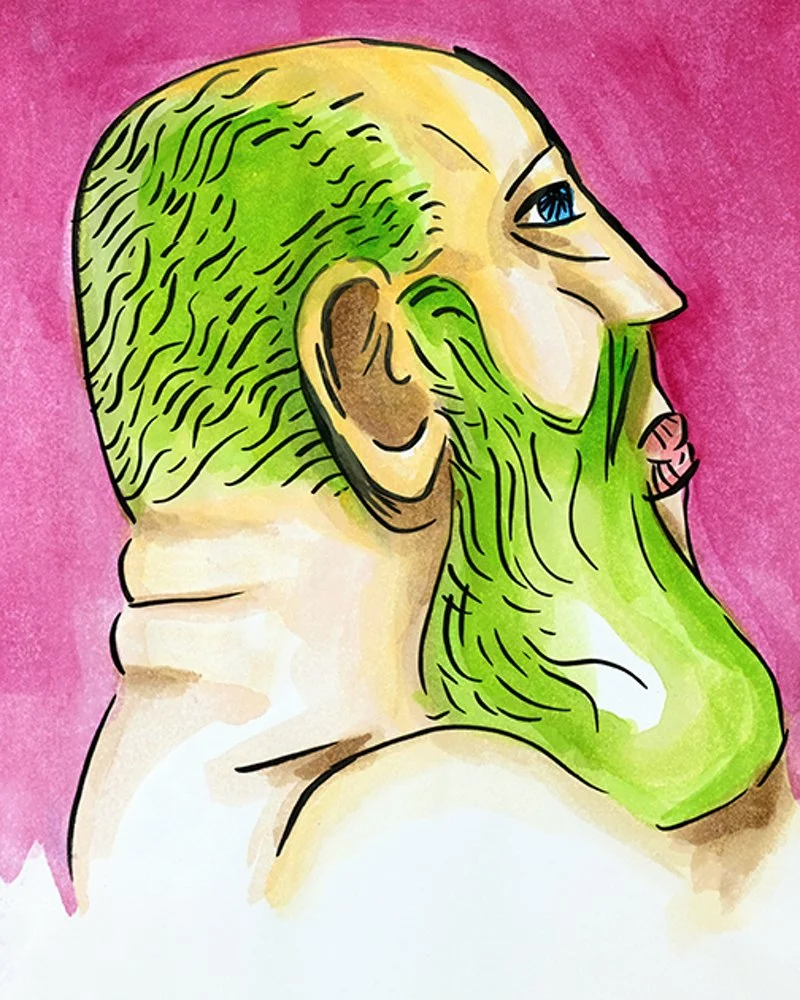
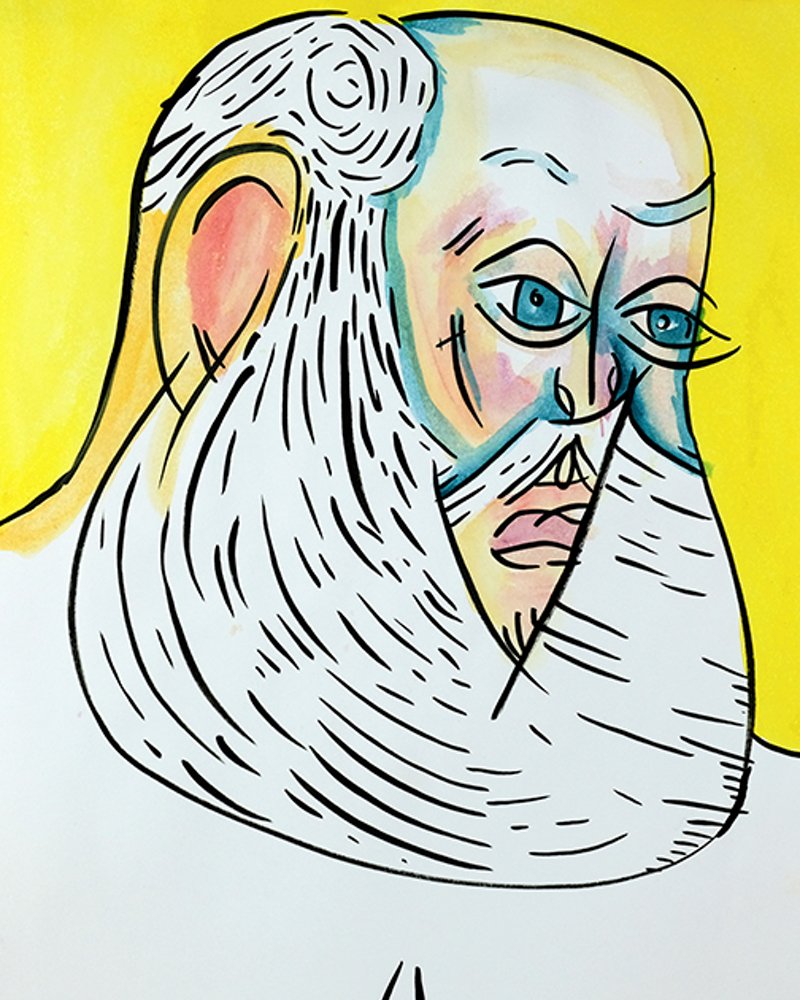
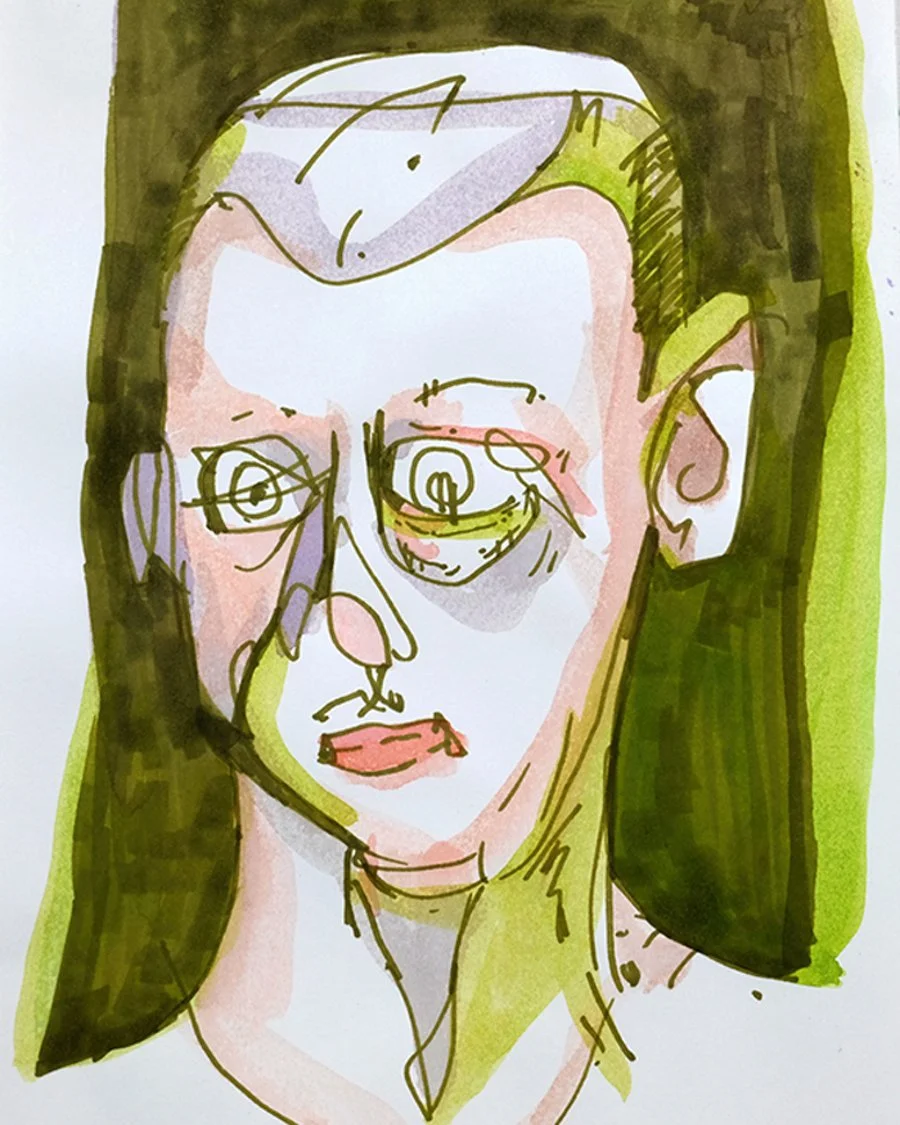
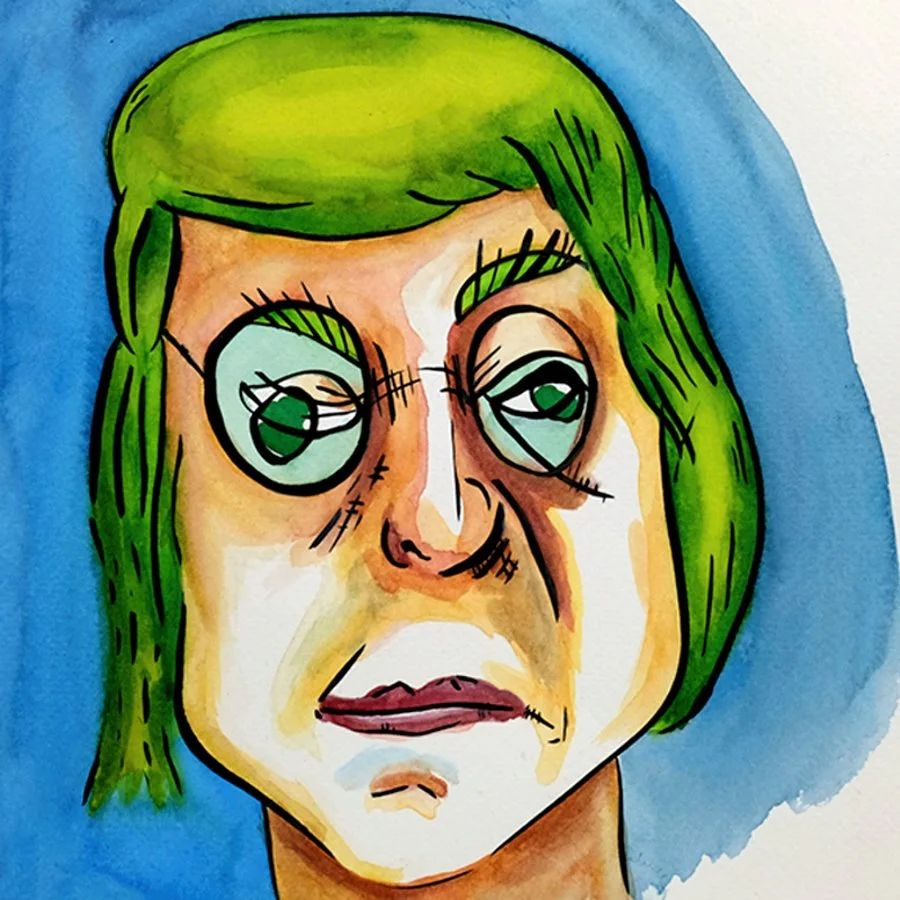
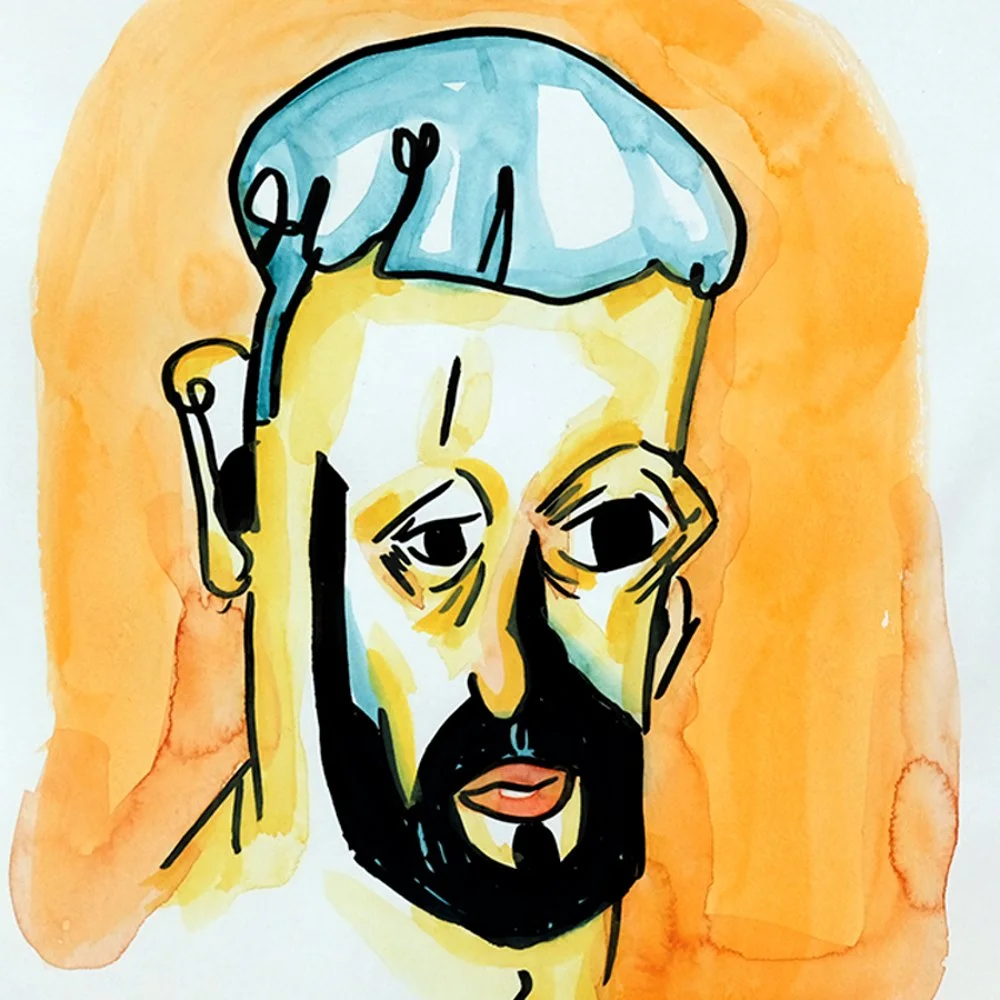
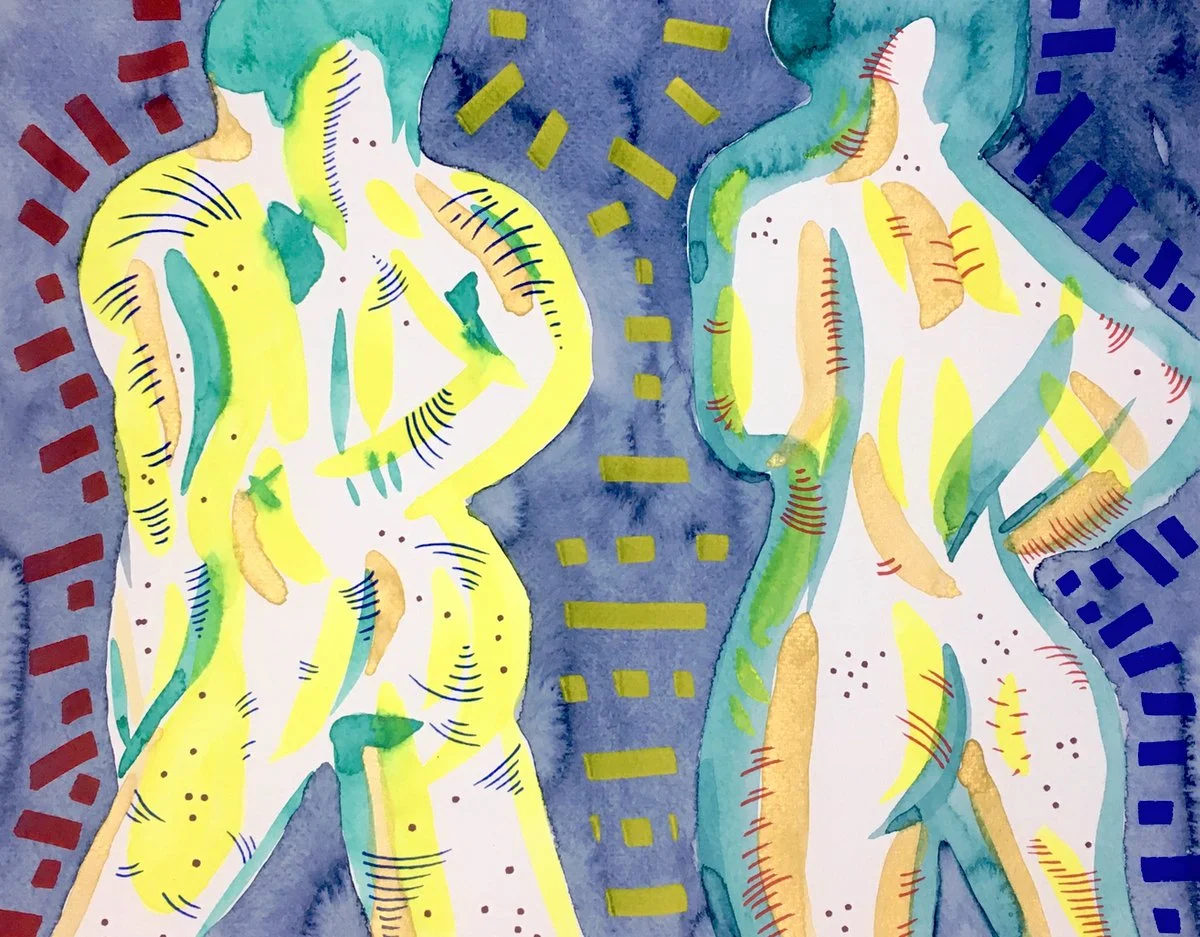
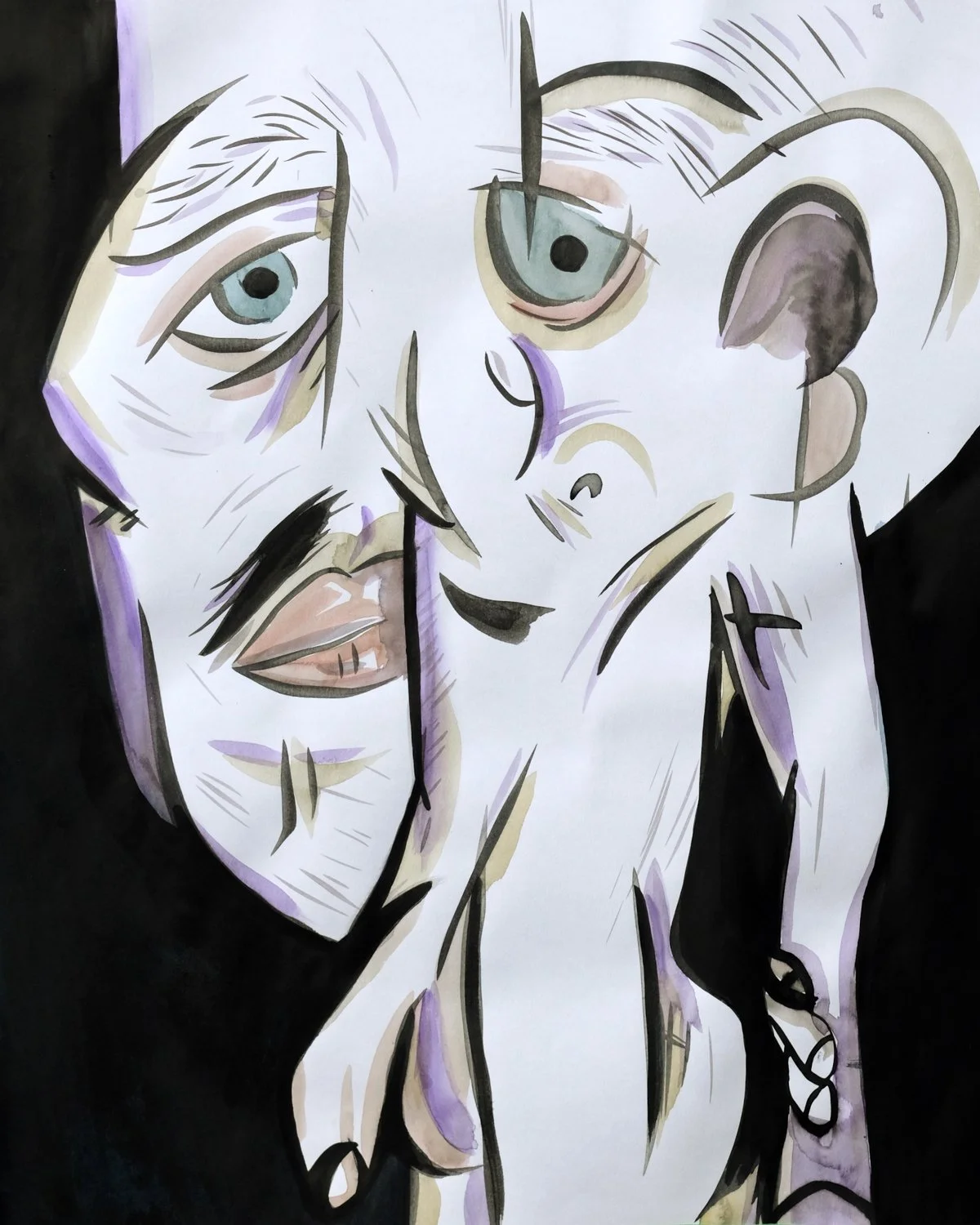
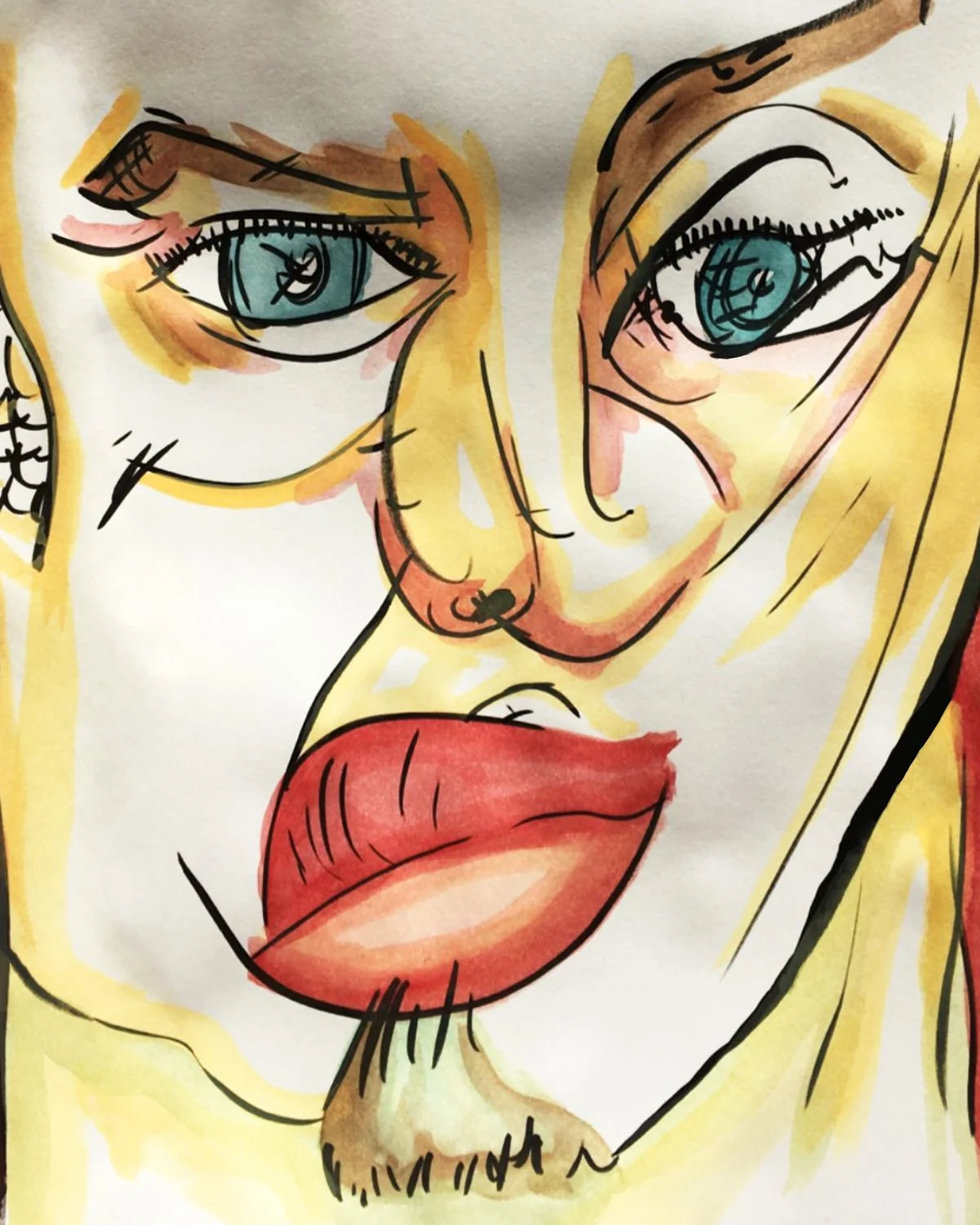
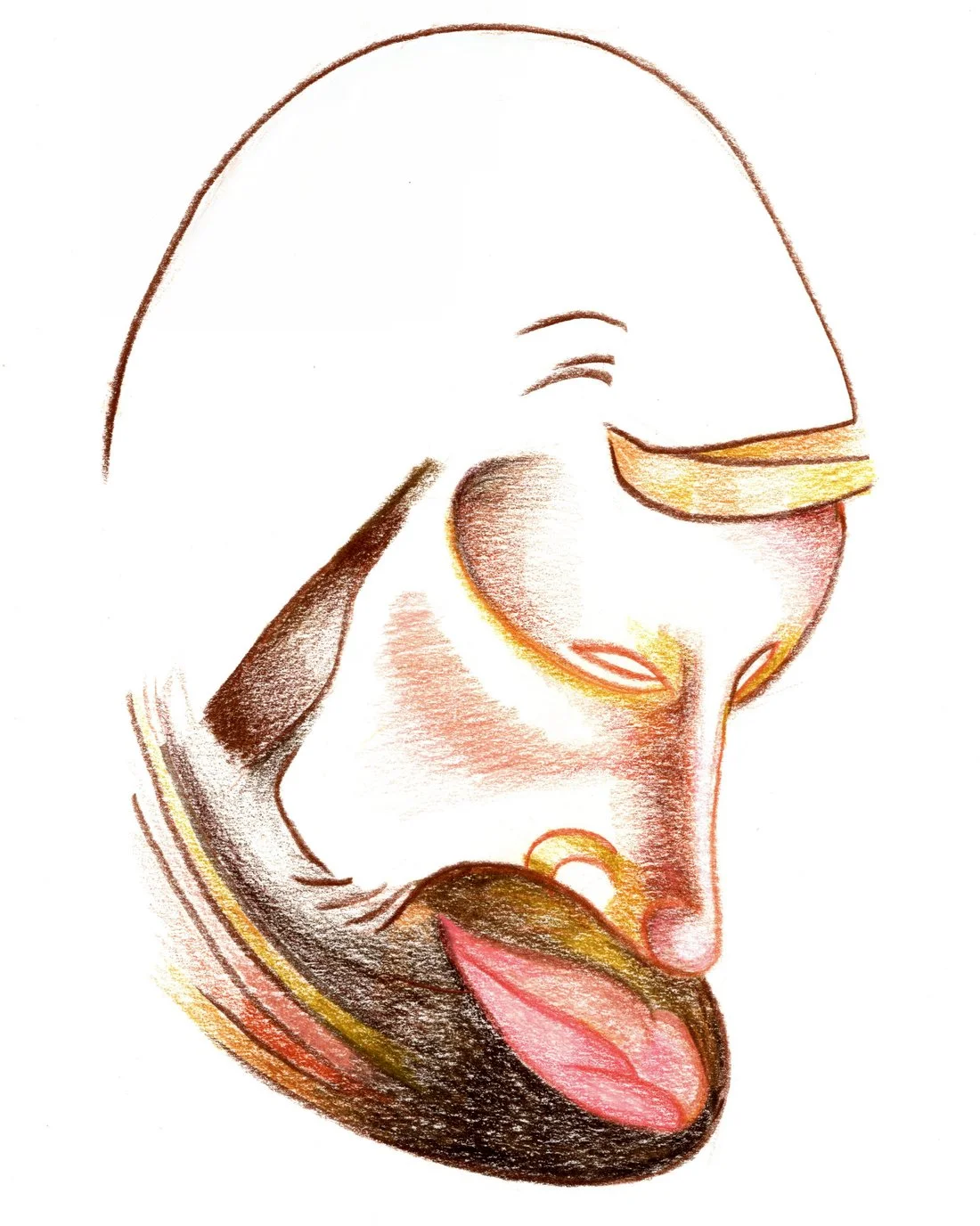
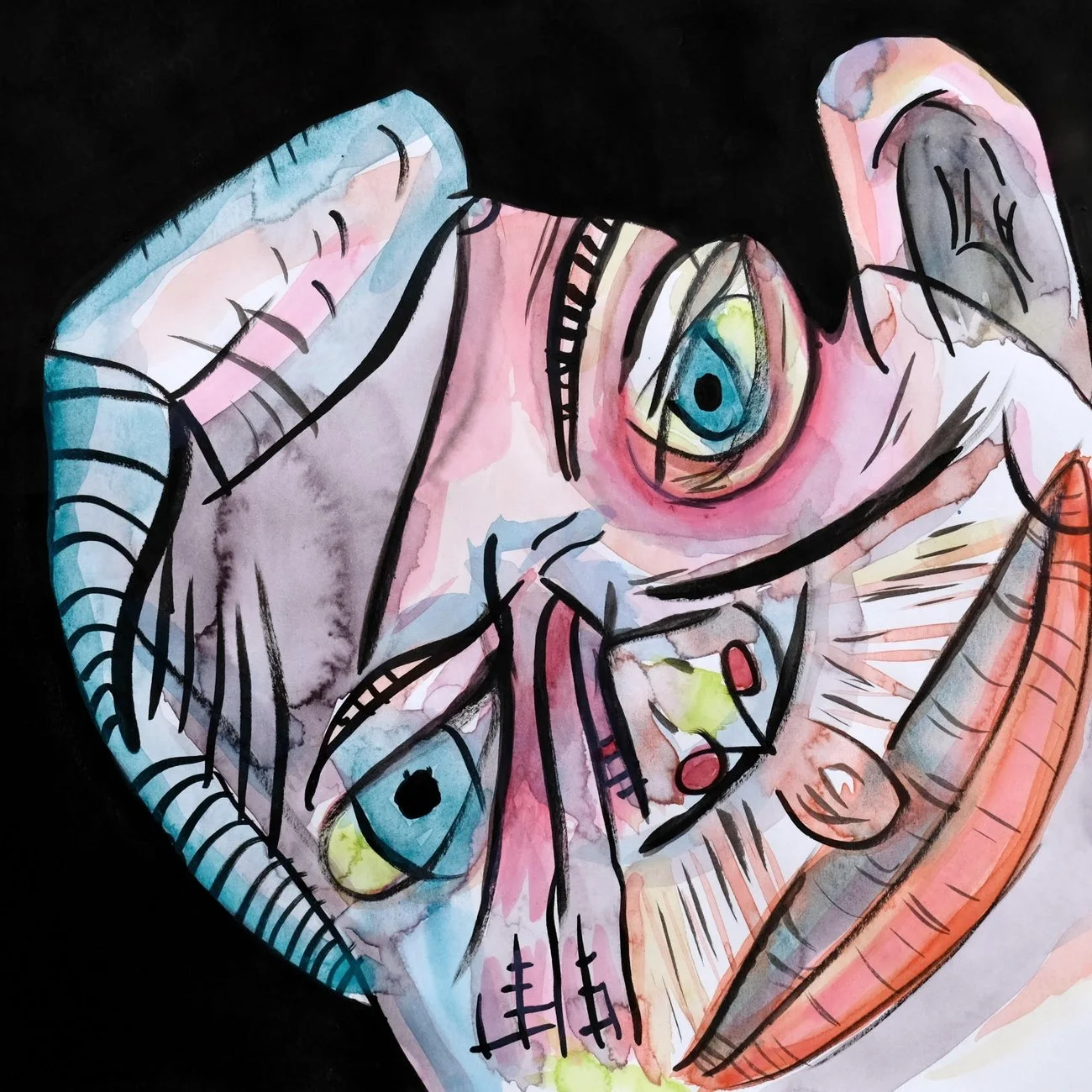
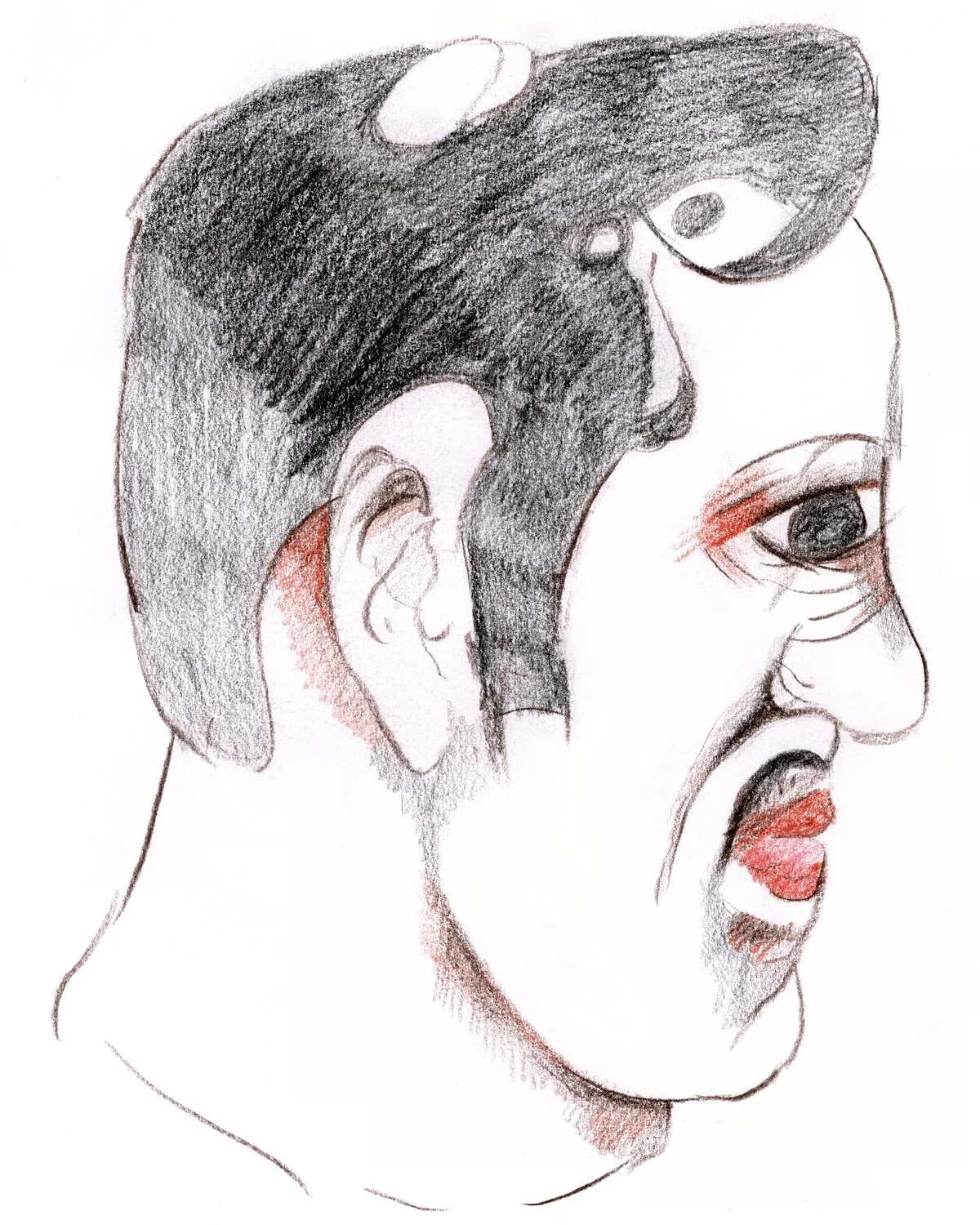
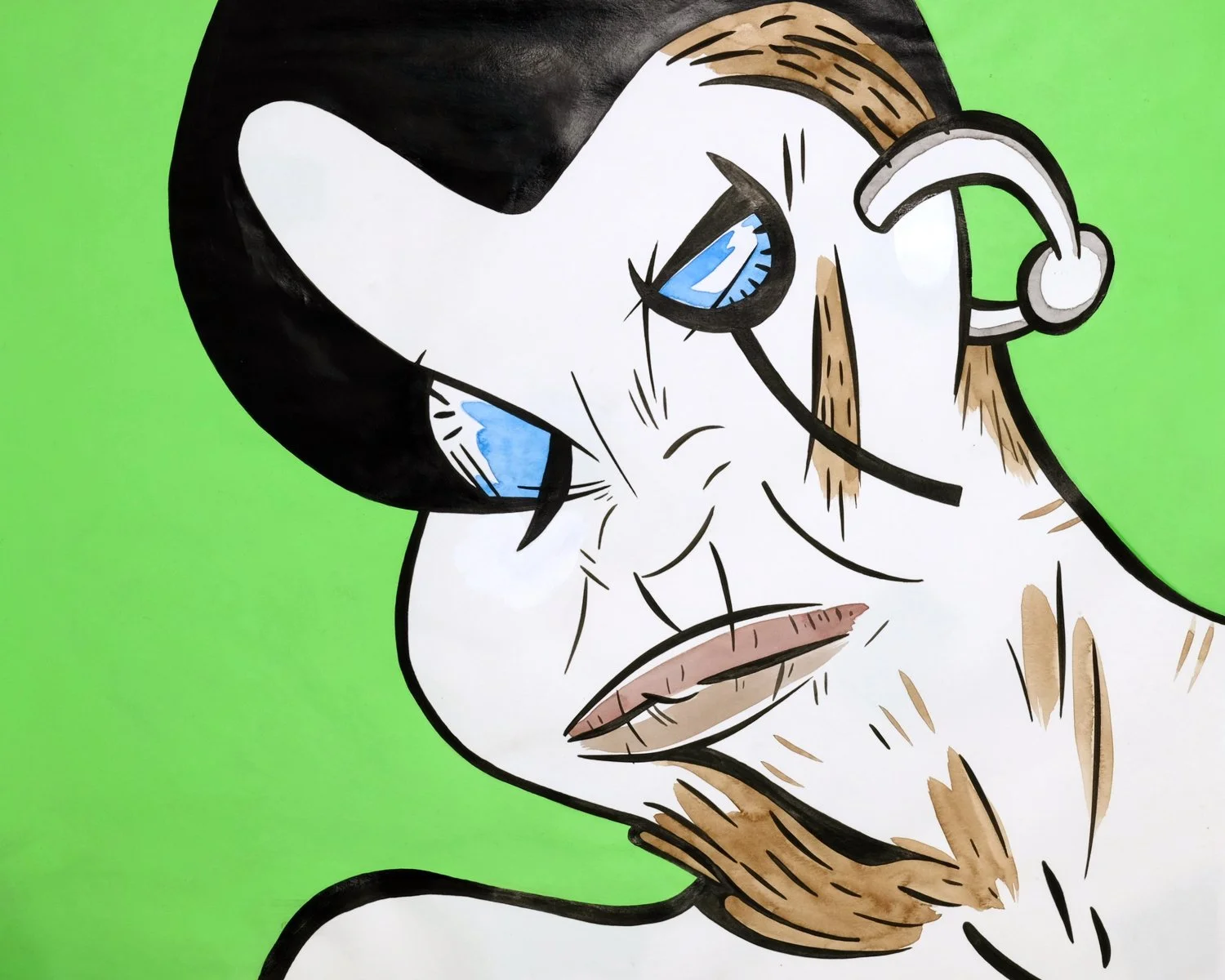
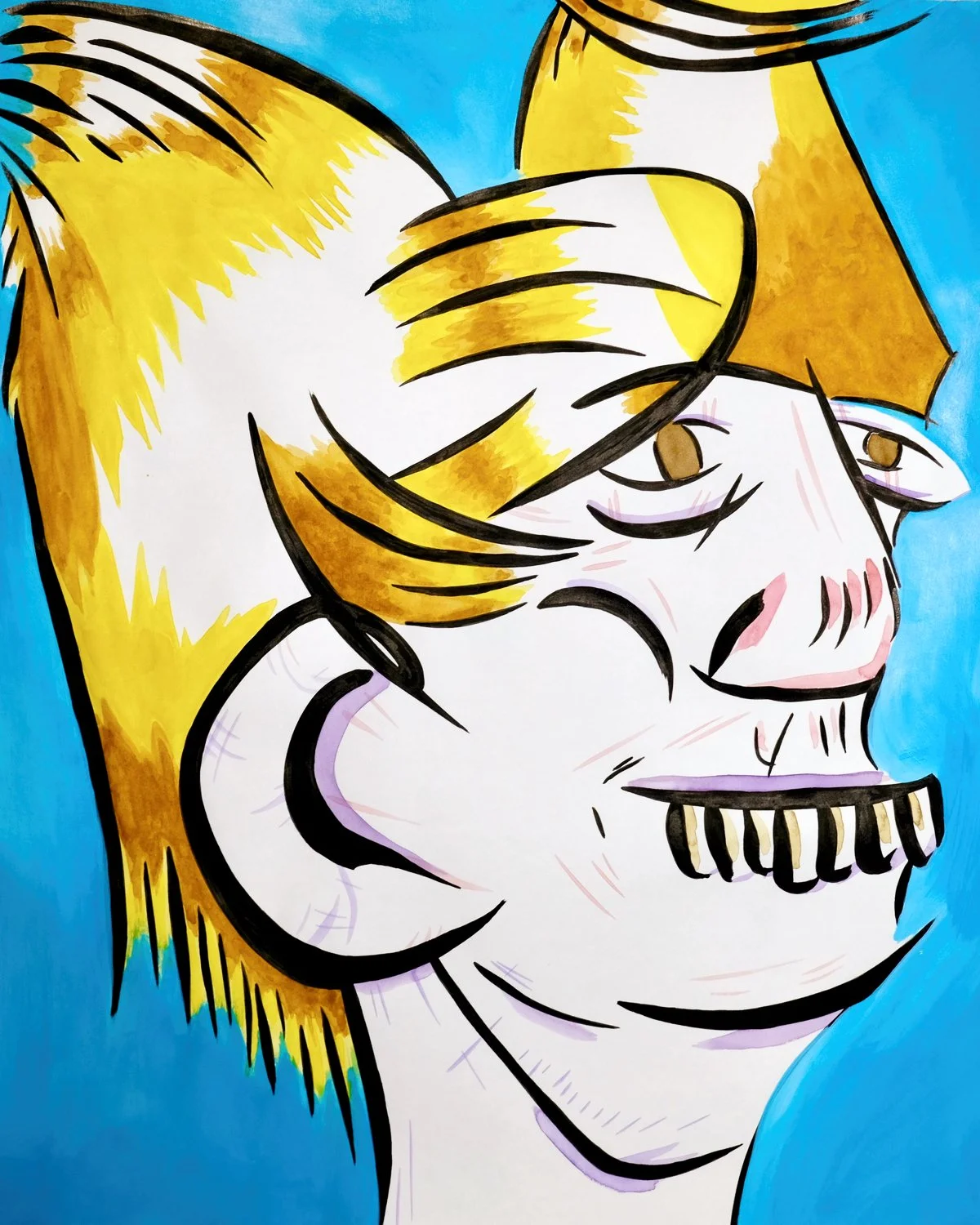
I became increasingly interested in the idea of flow: a state in which action and instinct could work together without overthinking. I wanted to work quickly and intuitively, allowing each mark to respond to the one before it. I began moving between working from imagination, photographs, and life, while experimenting with different materials including acrylic, watercolour, pencil crayon, markers, and Posca pens. Life drawing classes became particularly important. The timed poses created a sense of urgency and possibility, encouraging me to respond to the moment (and the figure) rather than trying to resolve it.
Music also became part of this process, providing energy and momentum while I worked. Through repeated drawing and painting, I began developing a visual language that combined gesture and contour with intuitive mark-making. Rather than pursuing realism as an end point, I became more interested in what could emerge through movement, repetition, instinct, and sustained attention. This period of experimentation became the foundation for the more focused direction that followed.
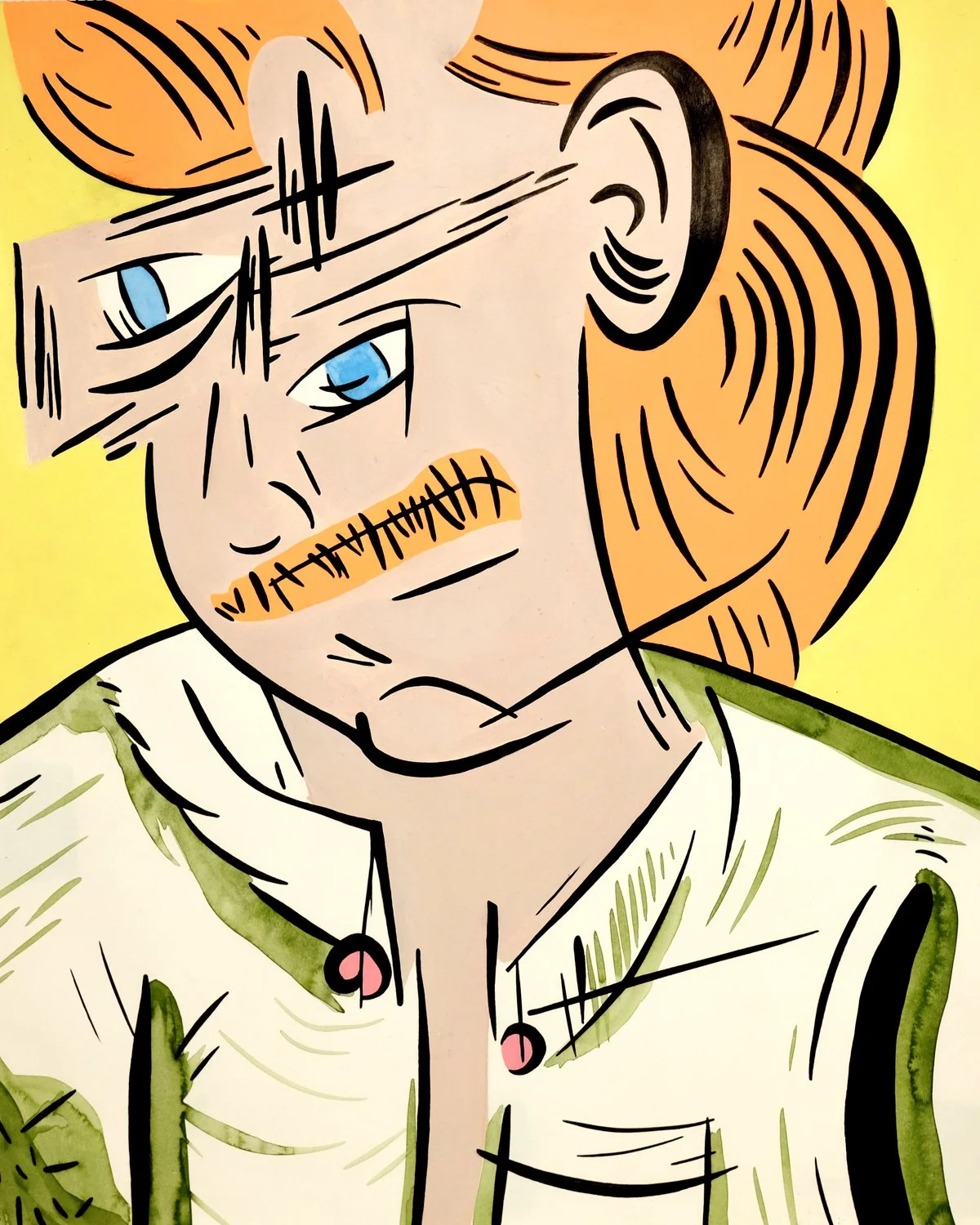
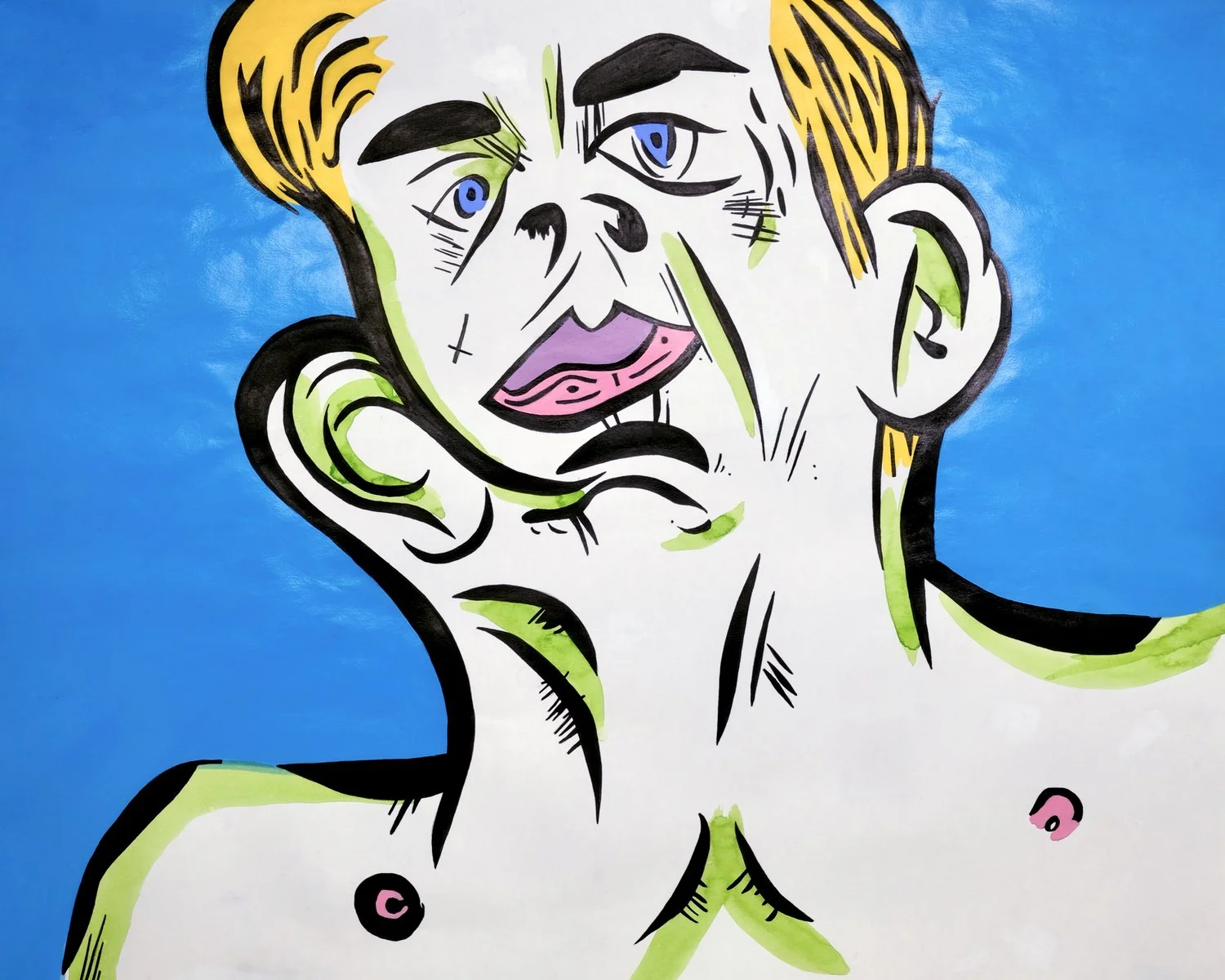
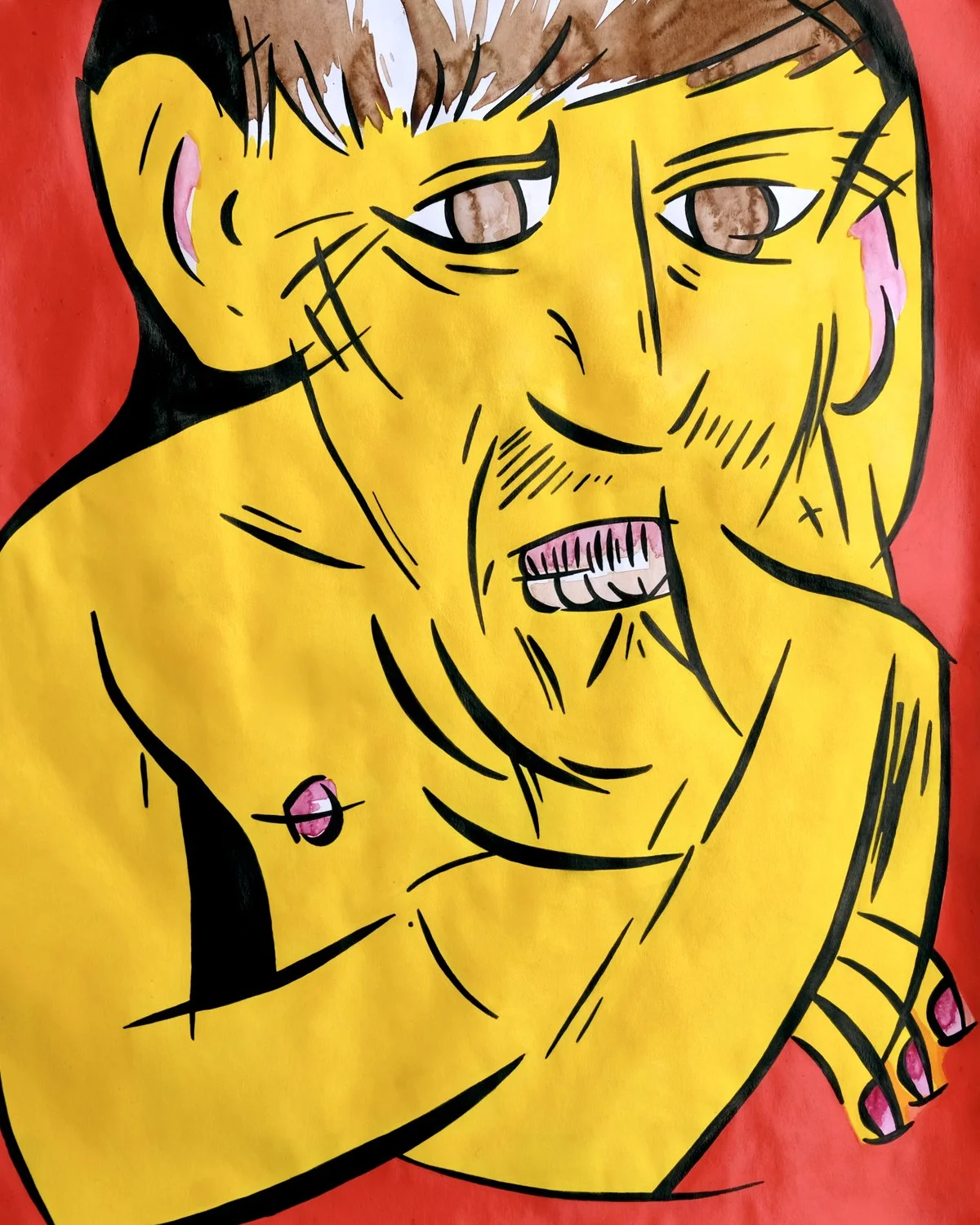
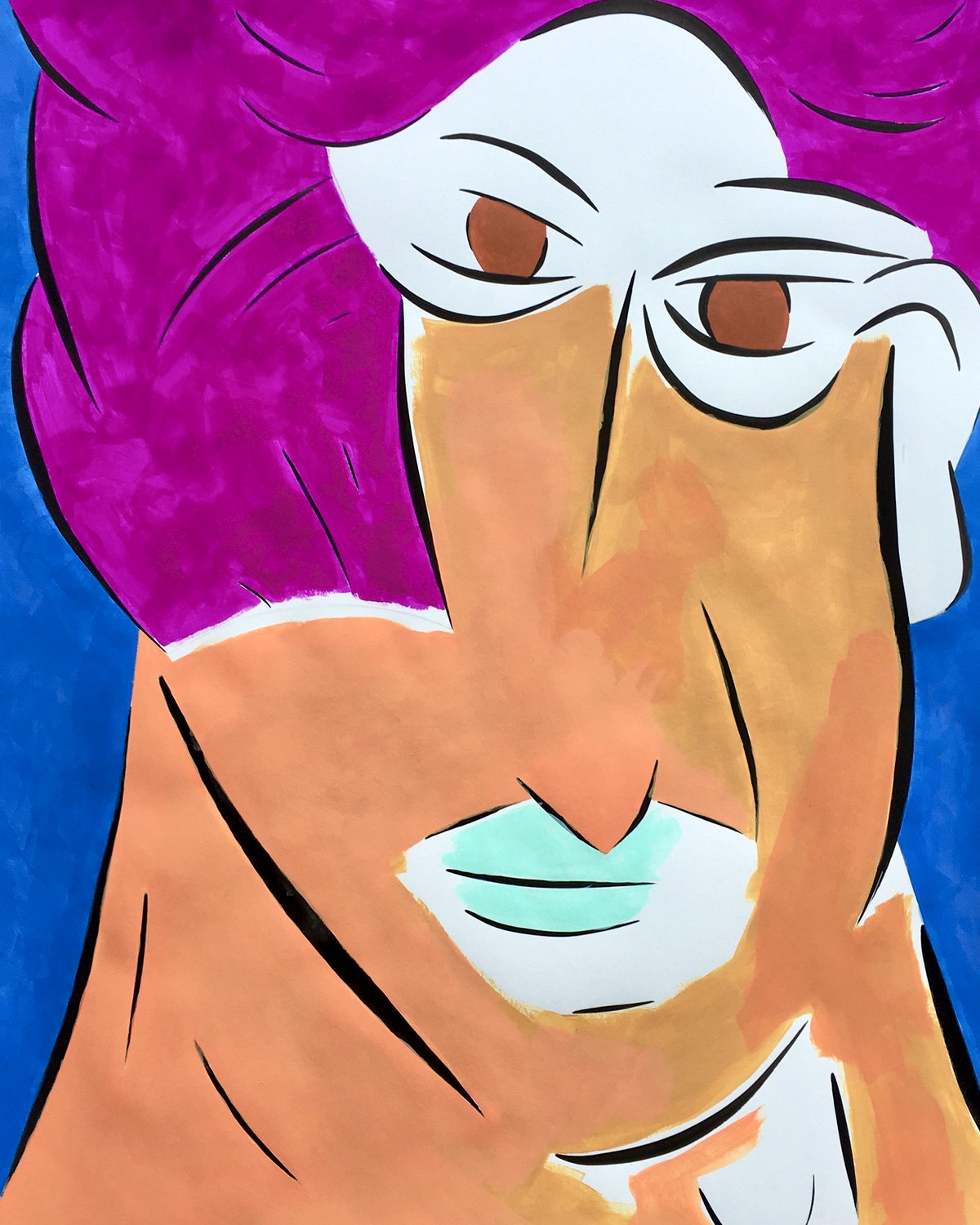
2020 The Bridge
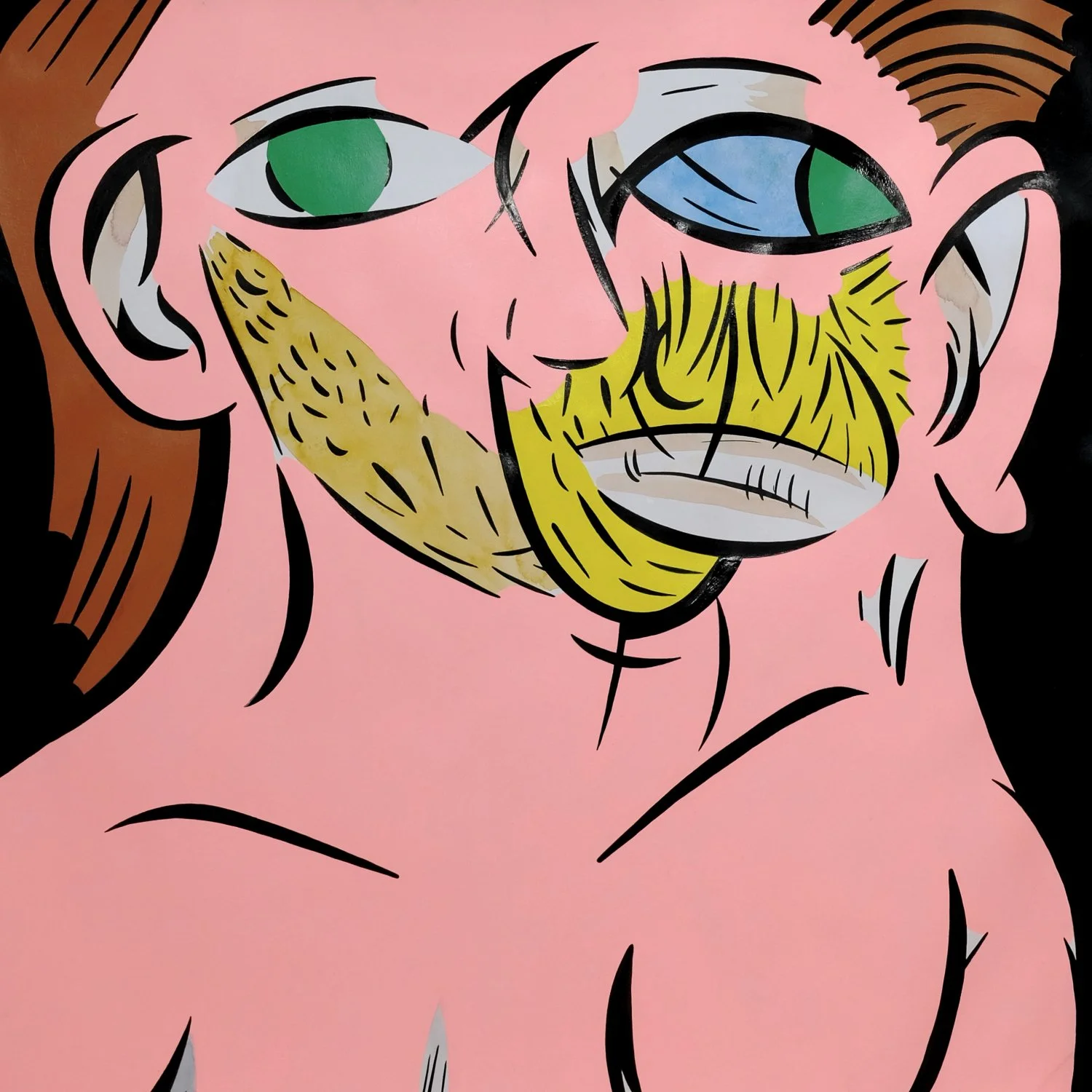
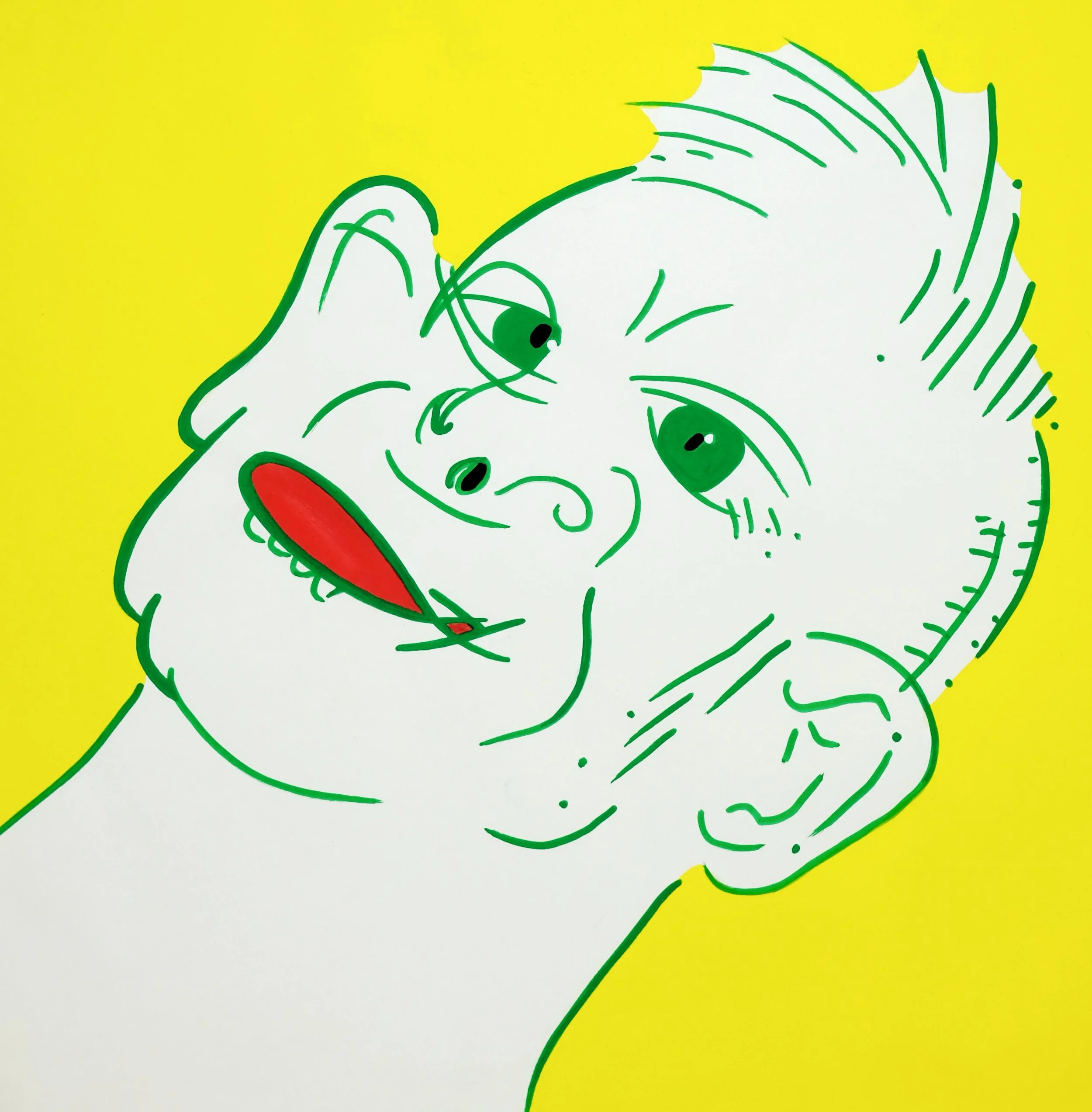
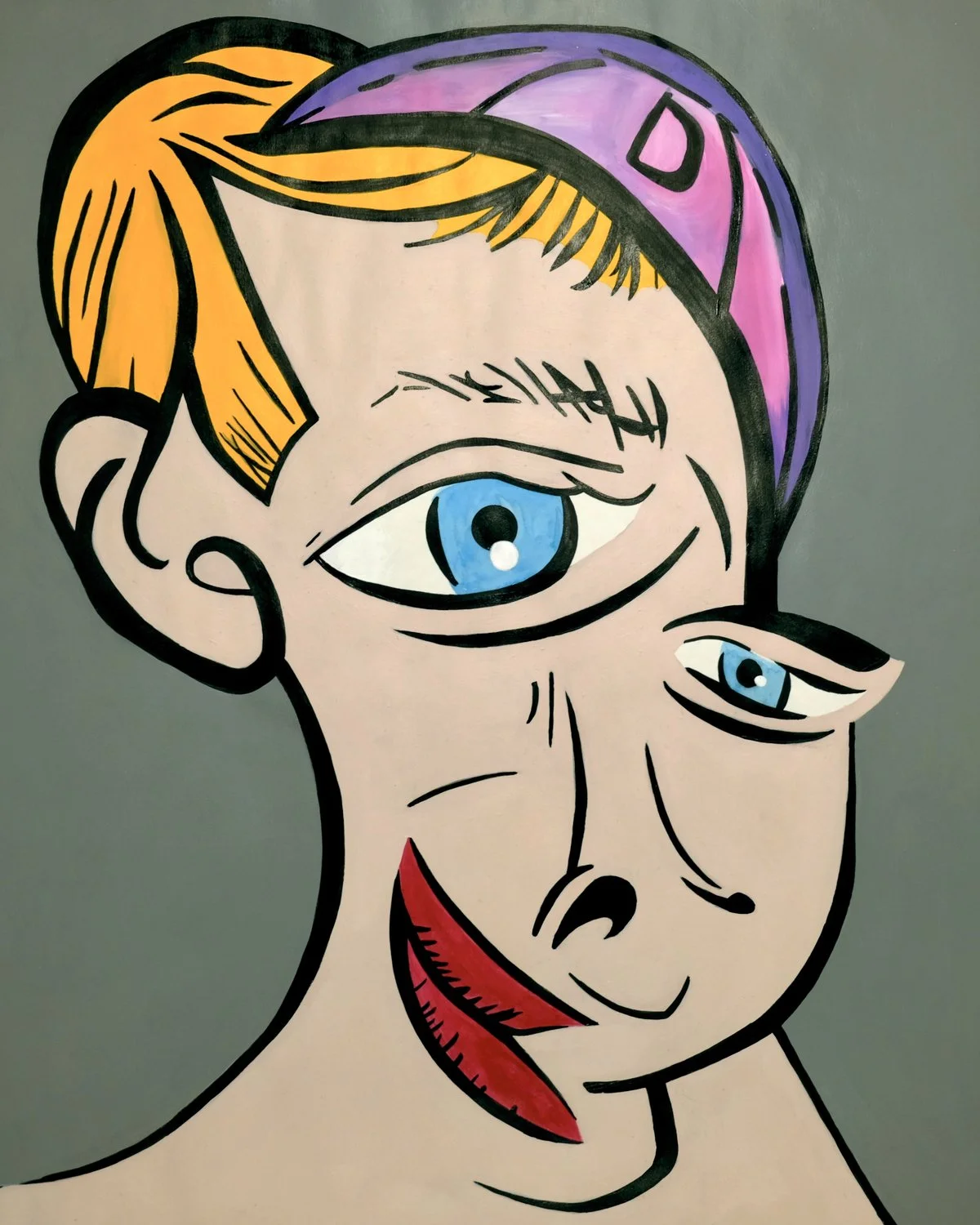
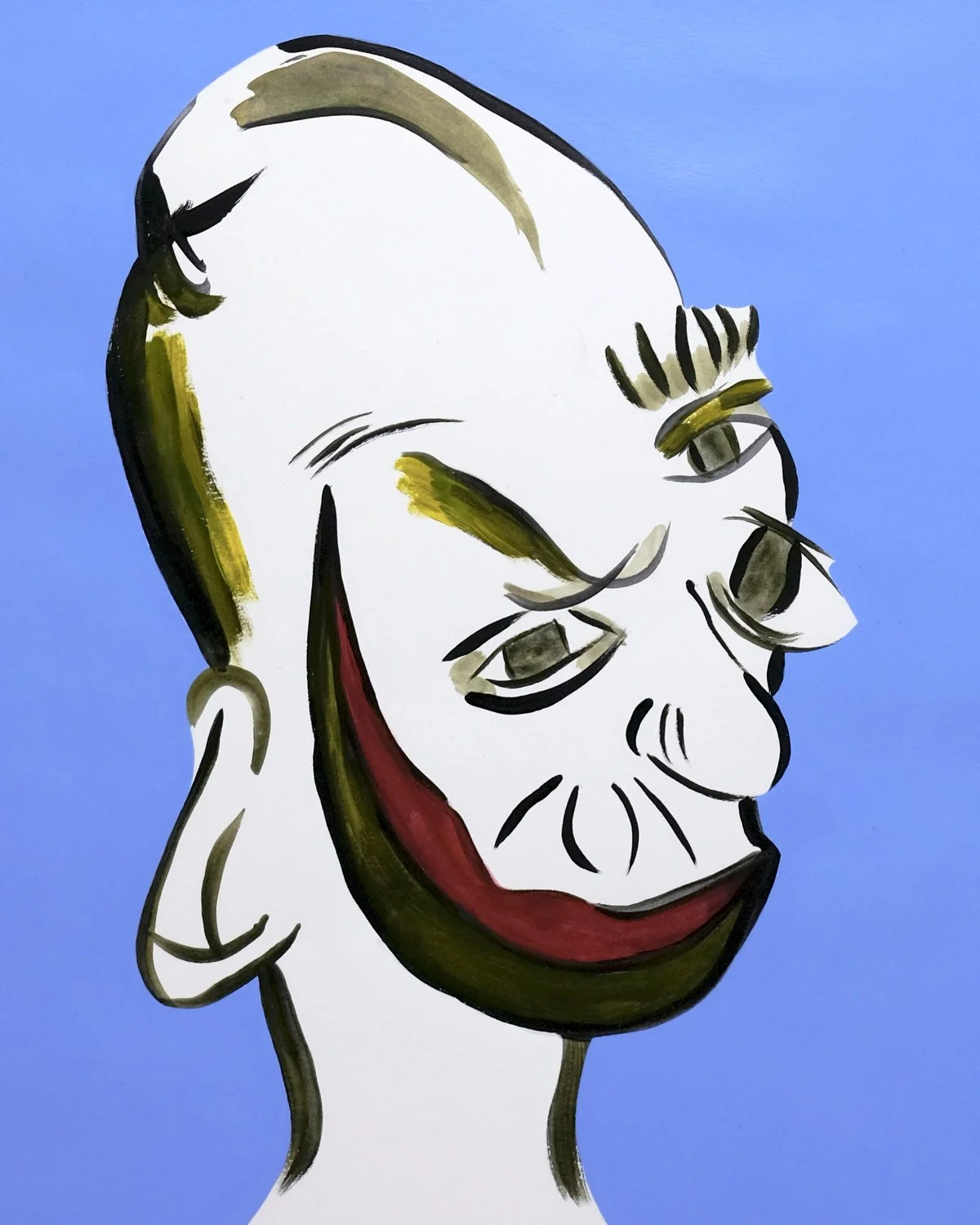
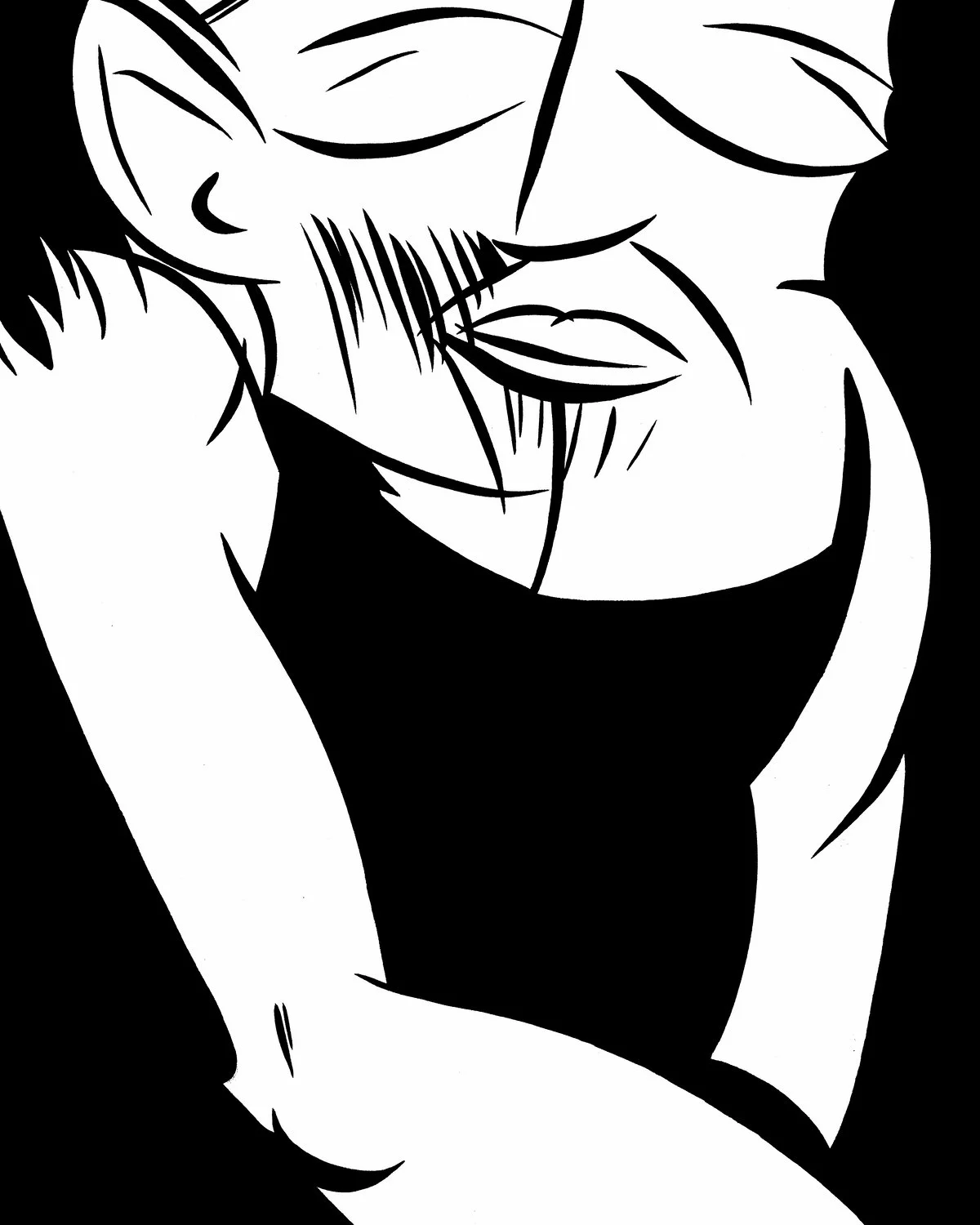
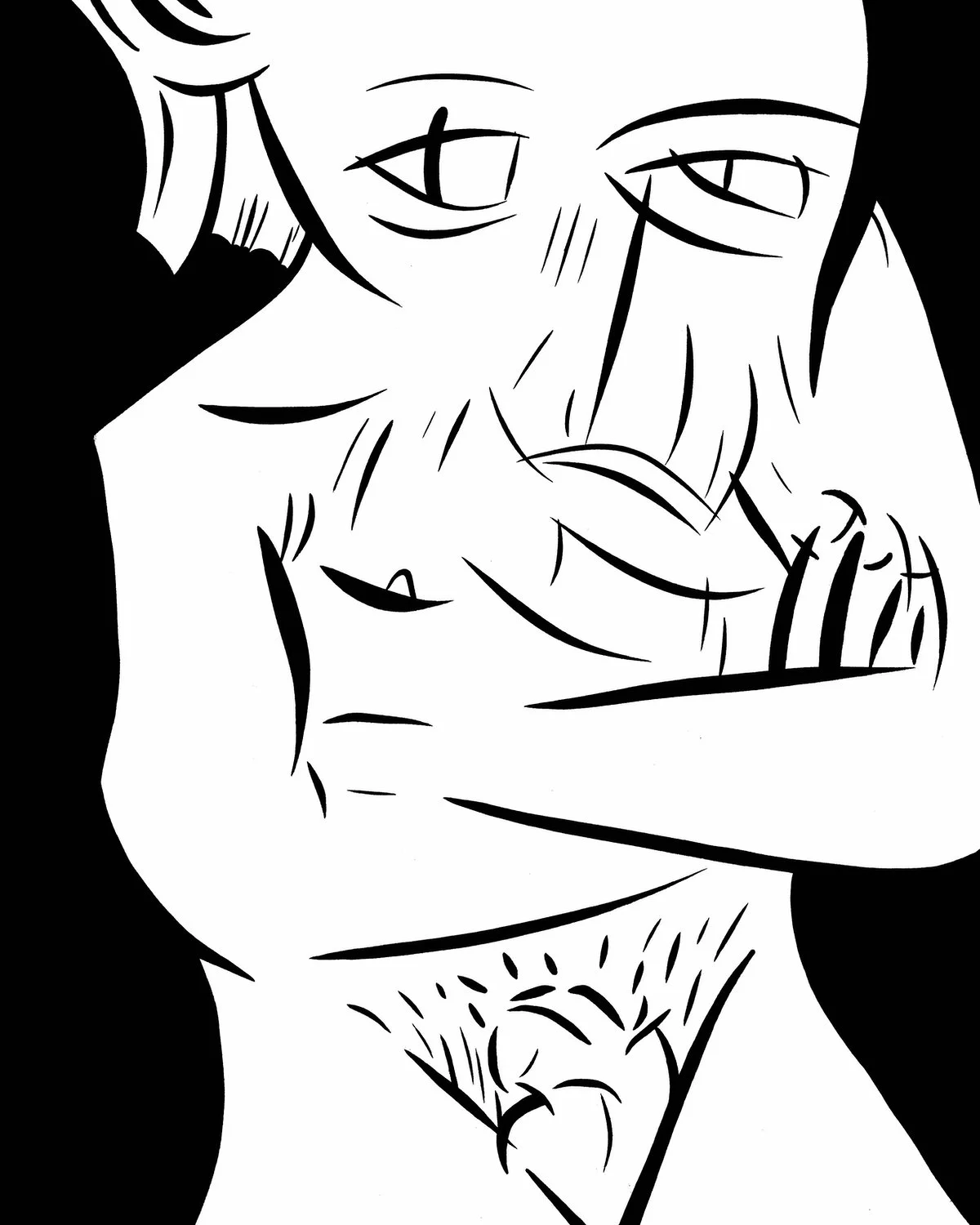
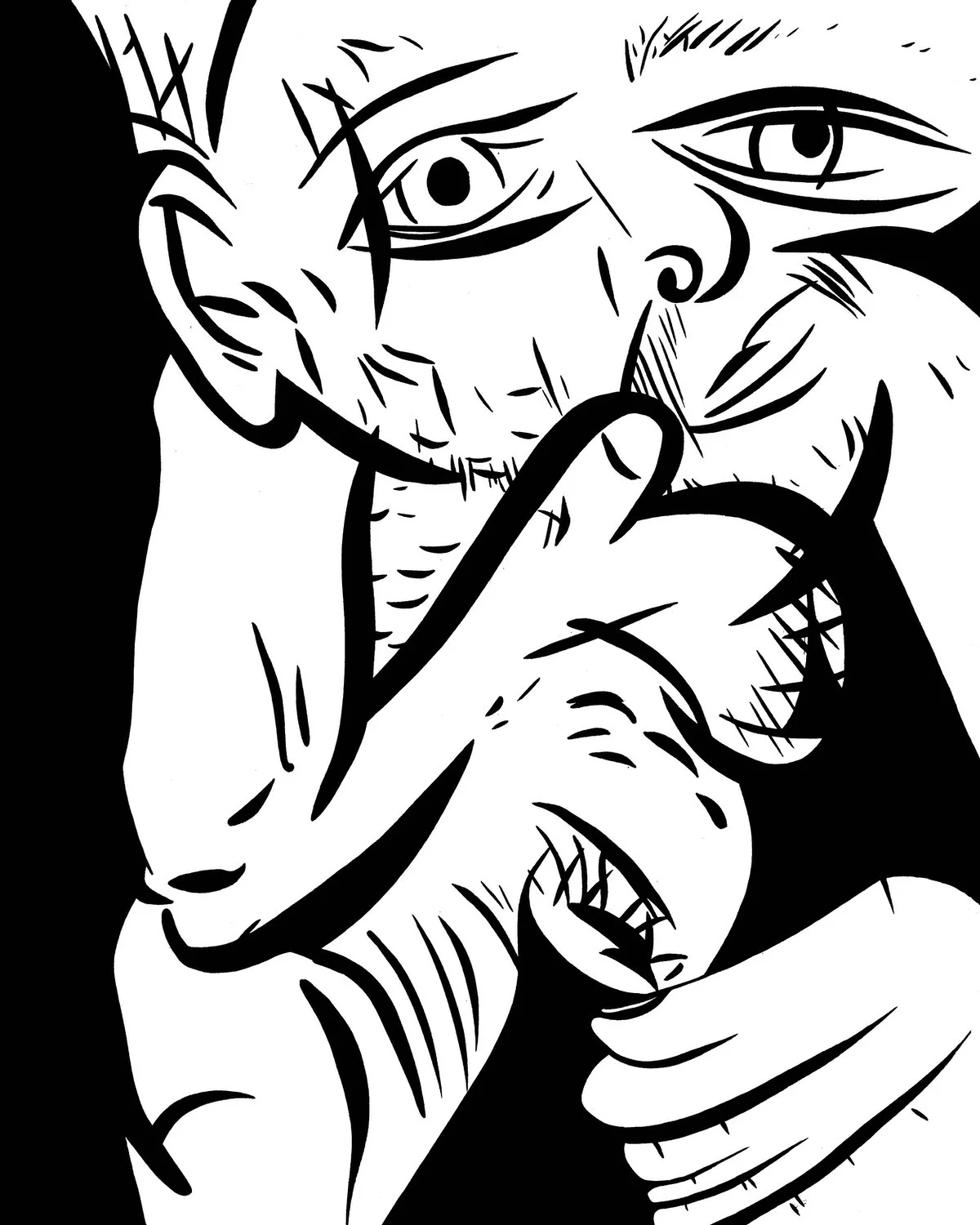
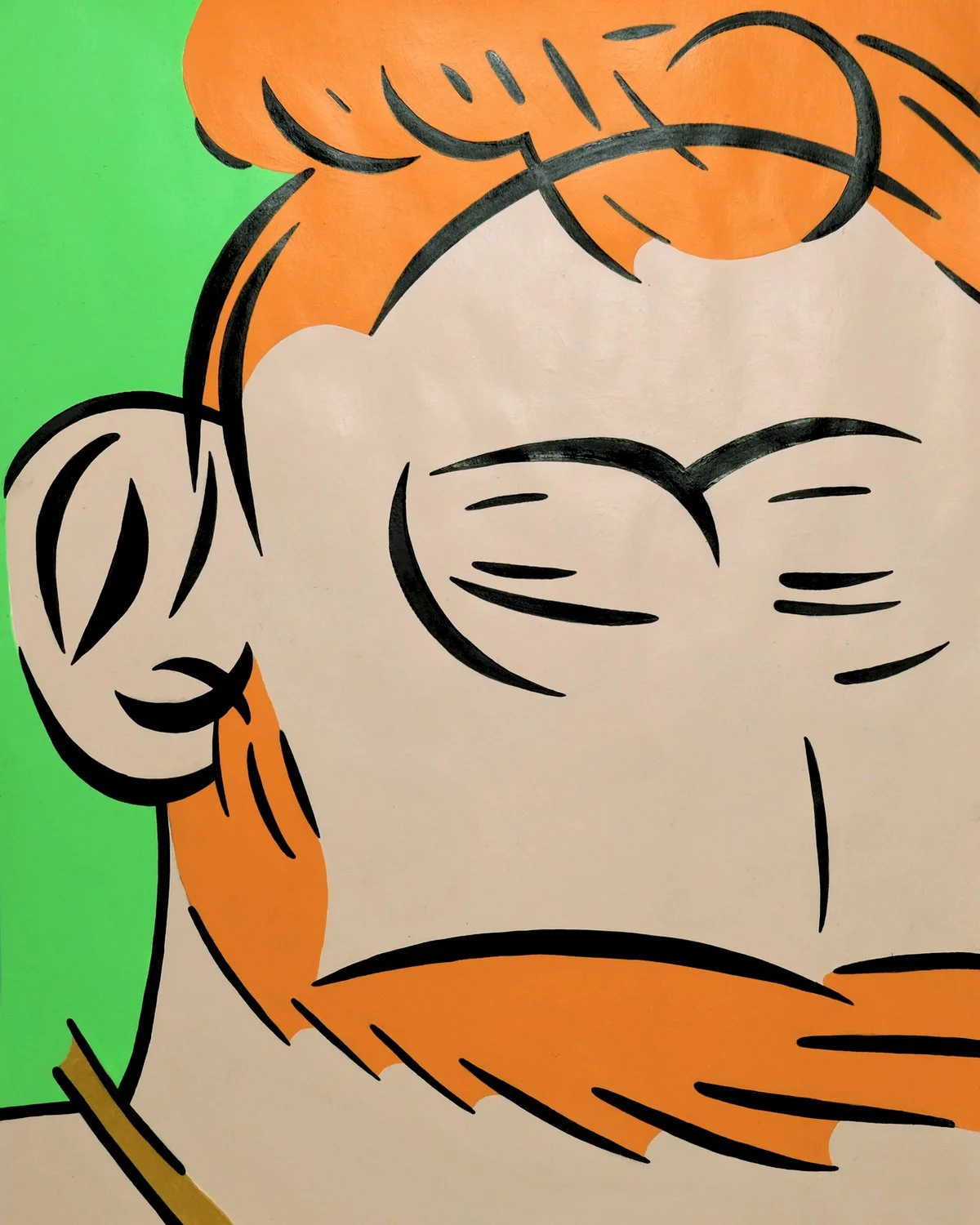
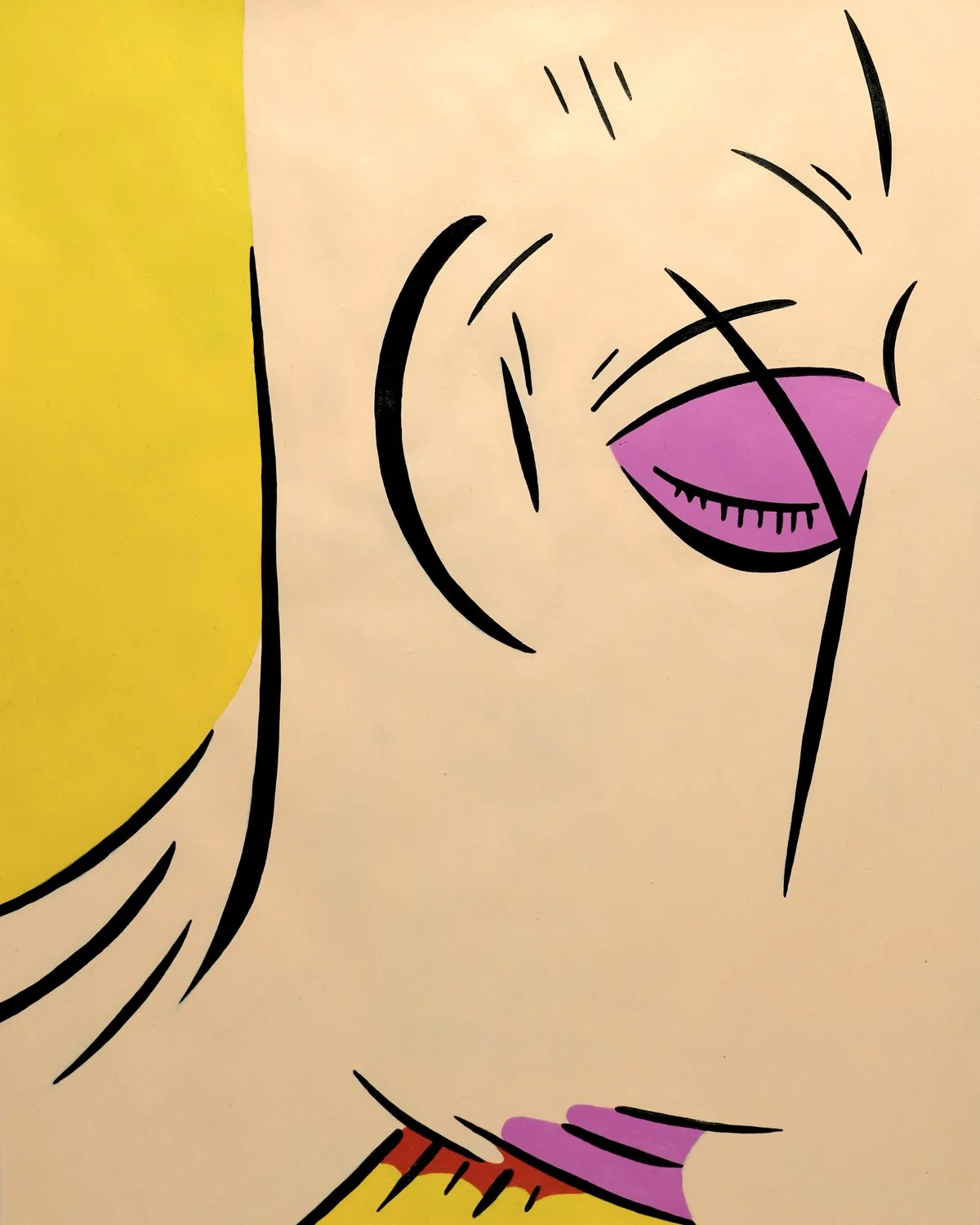
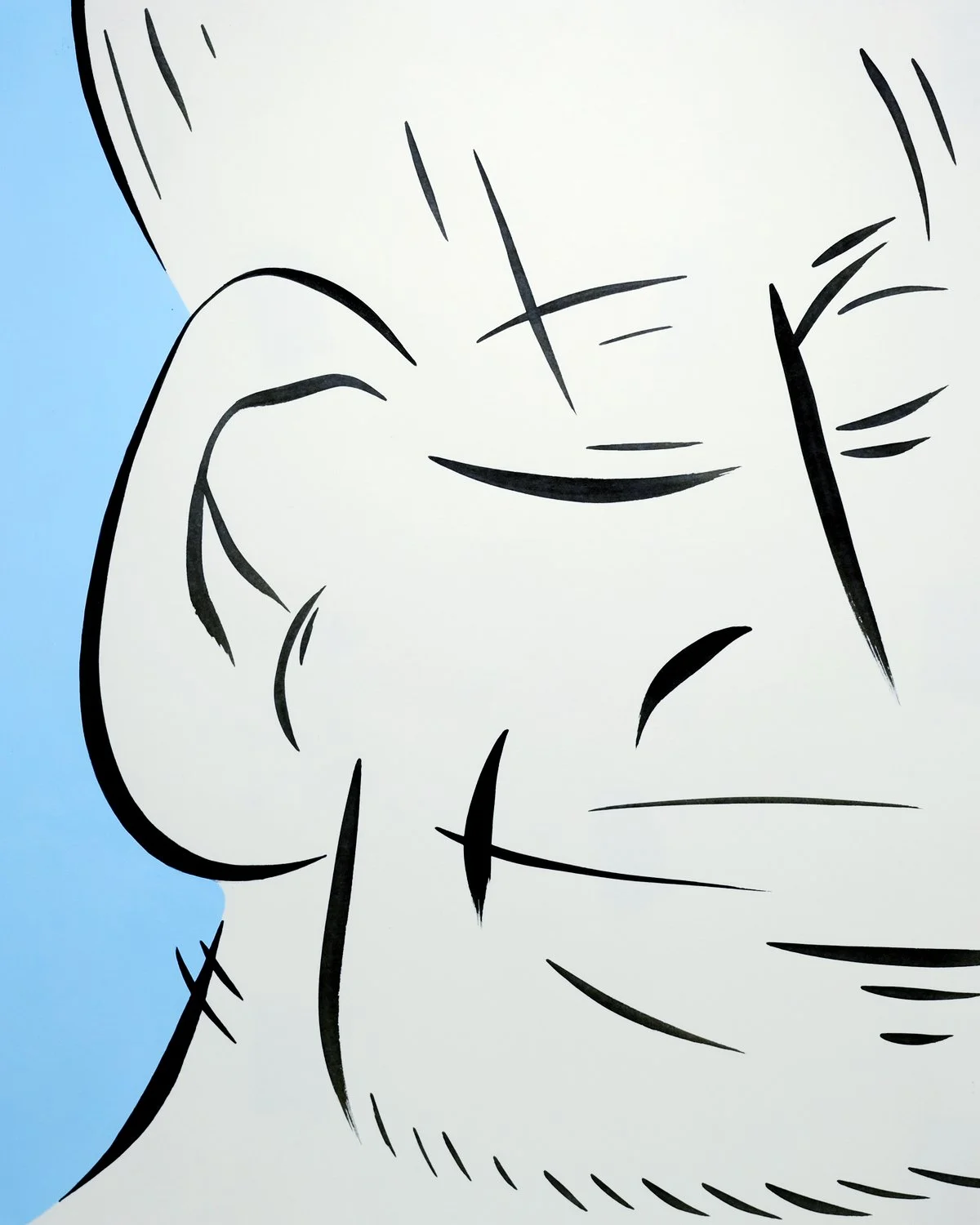
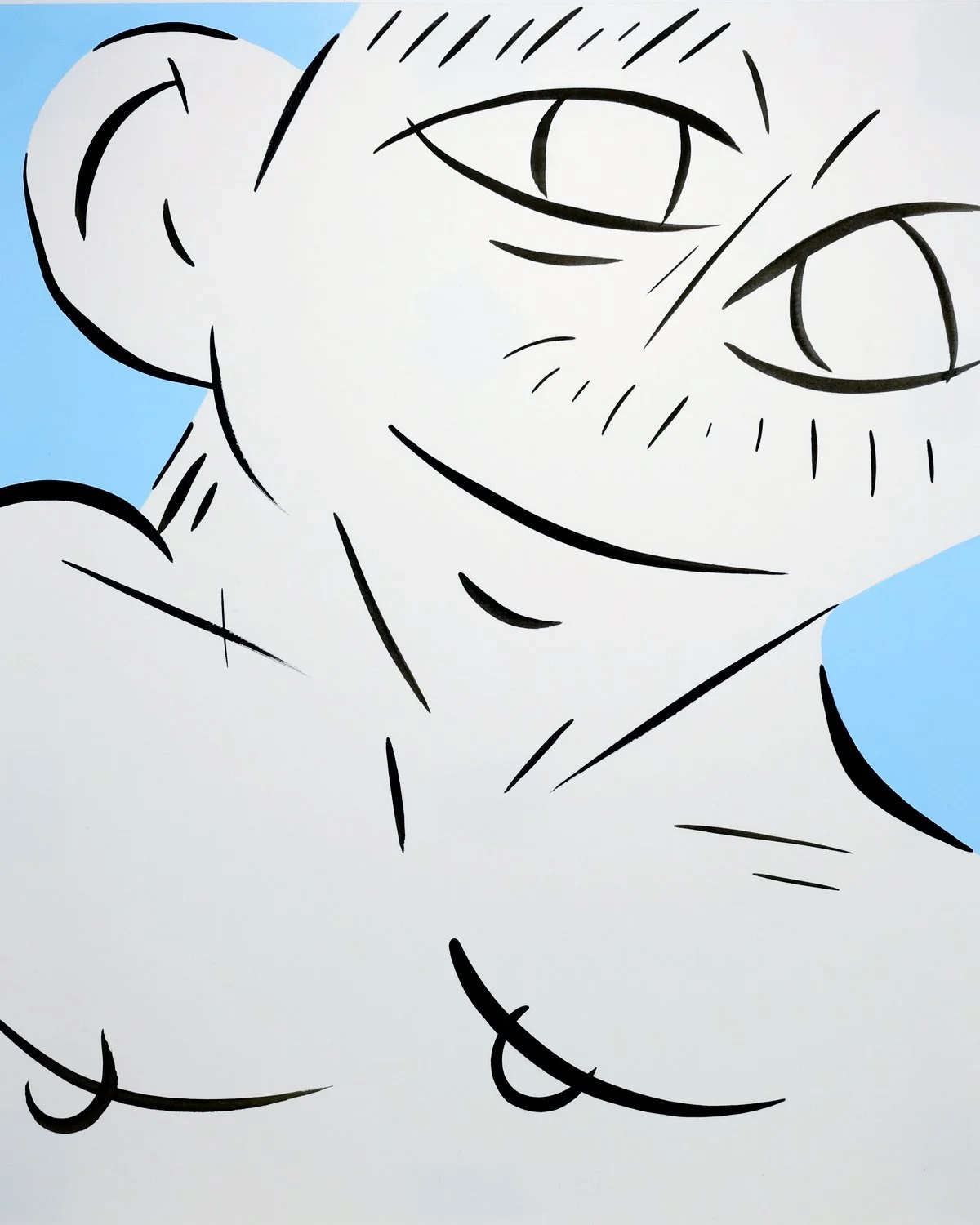
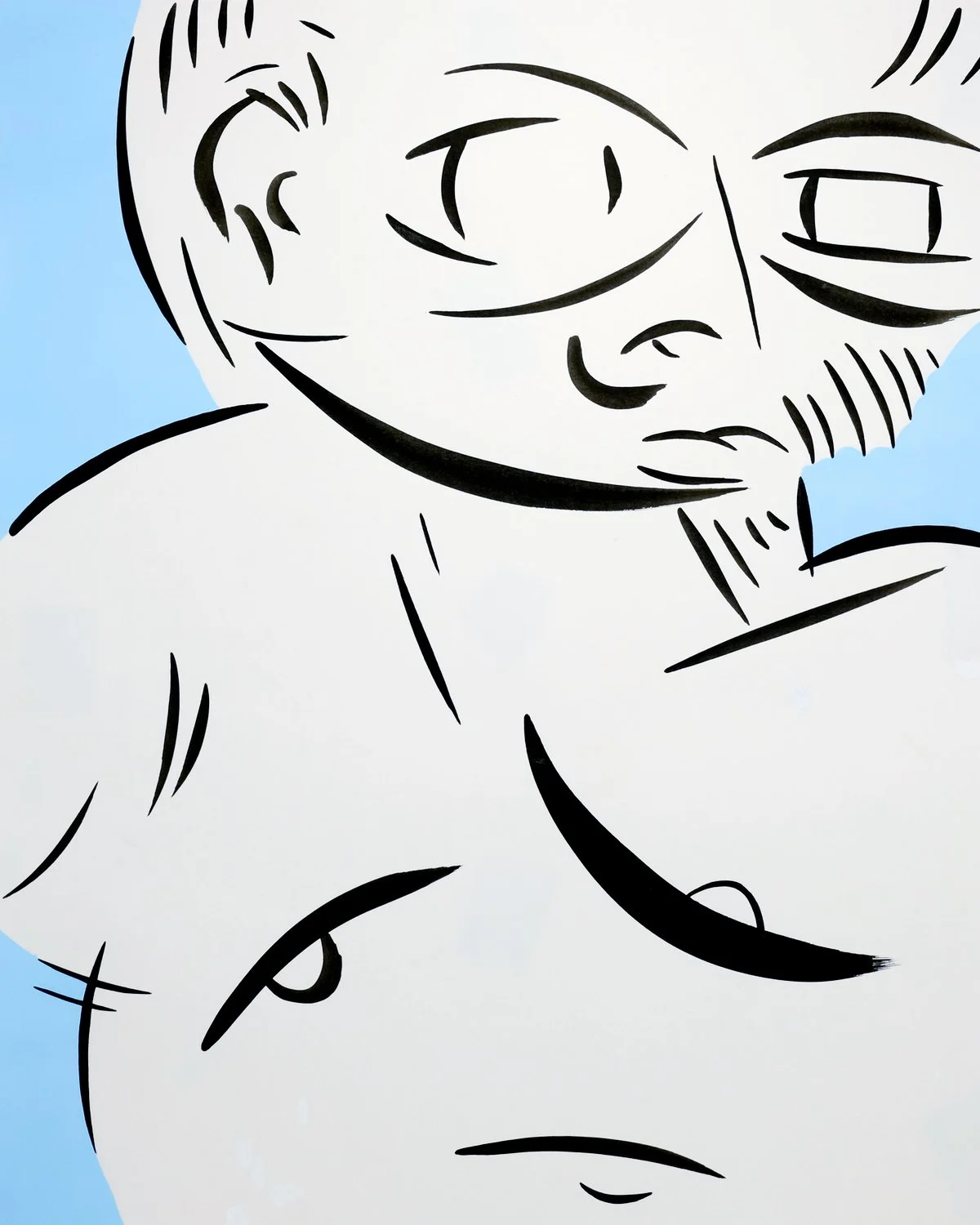
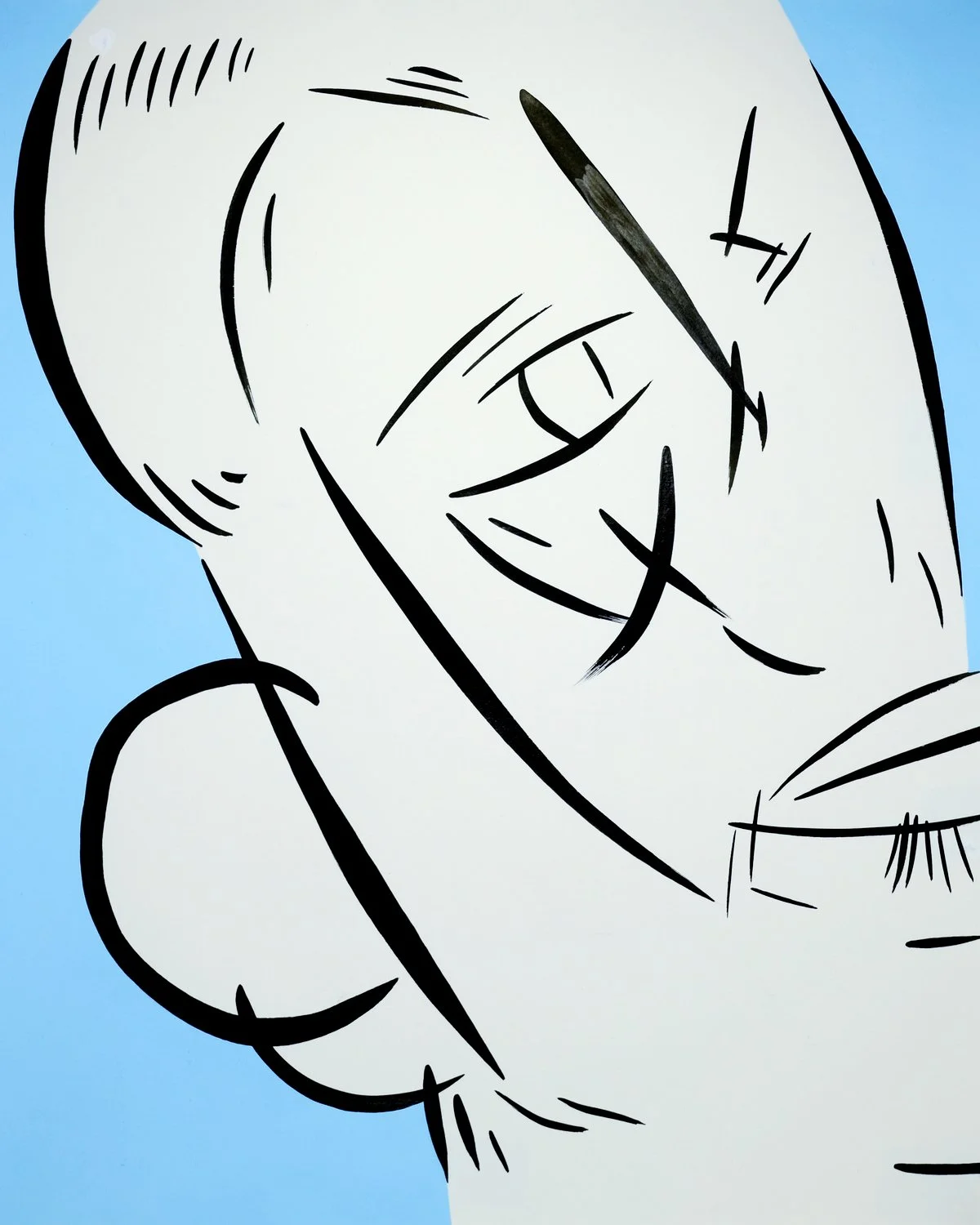
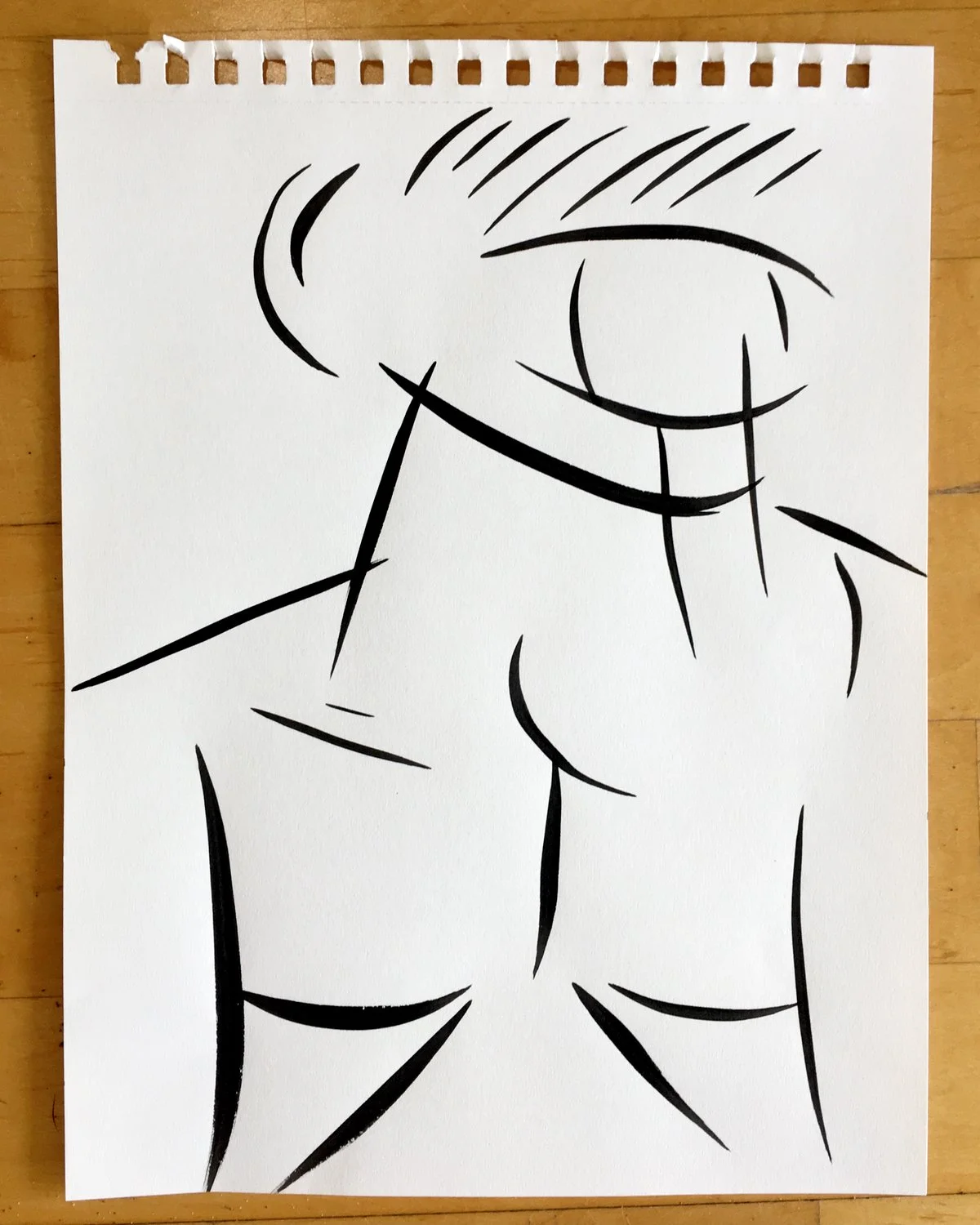
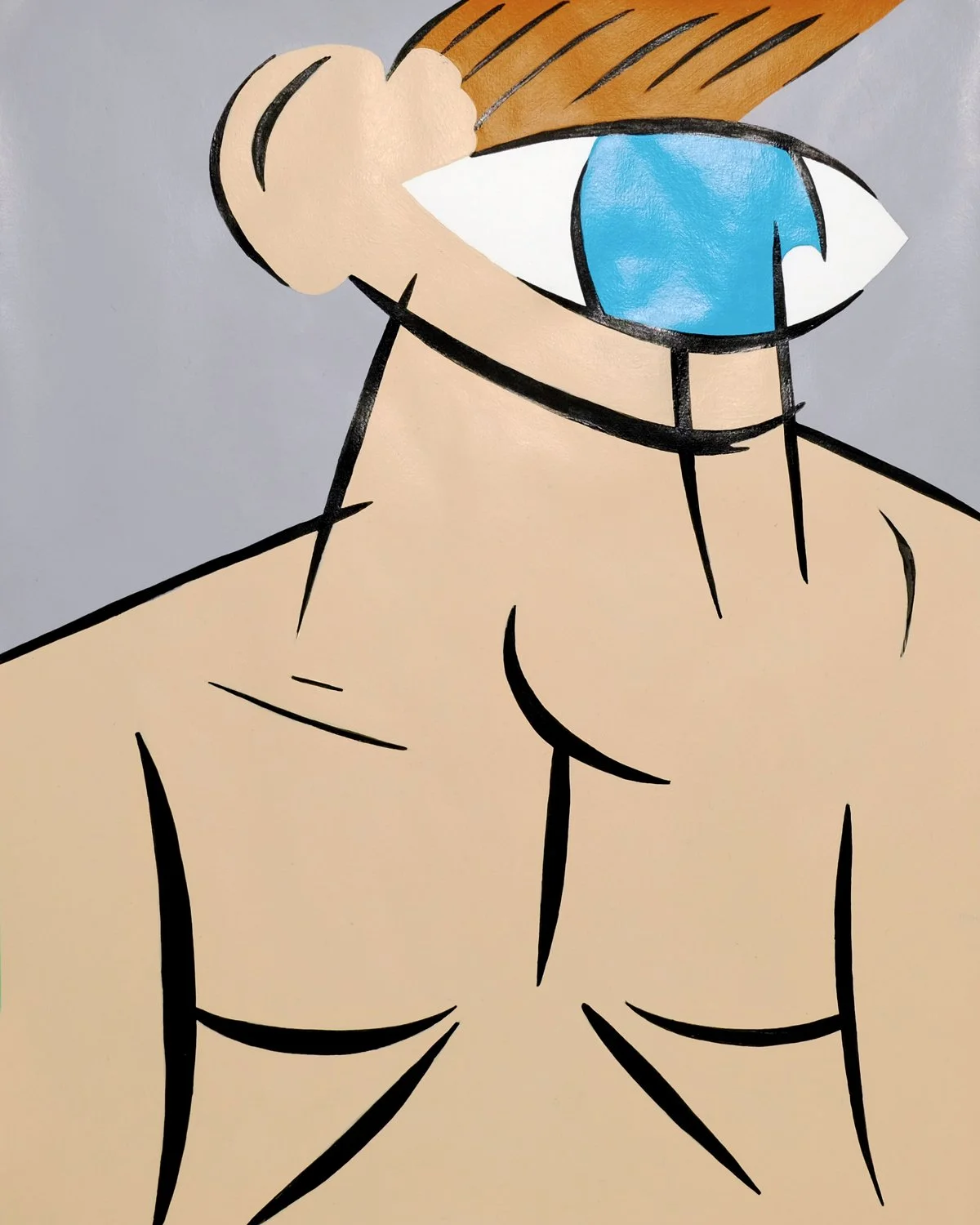
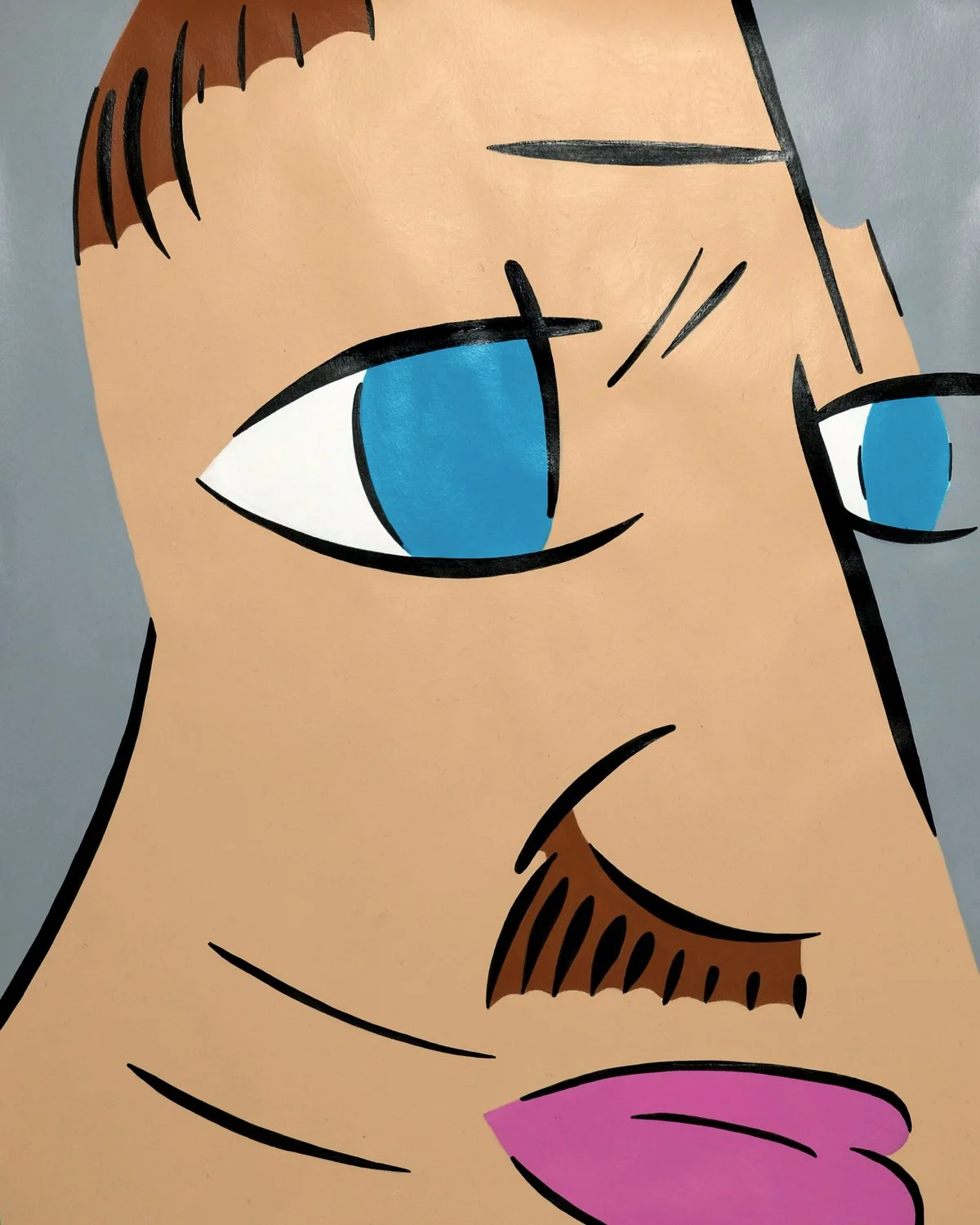
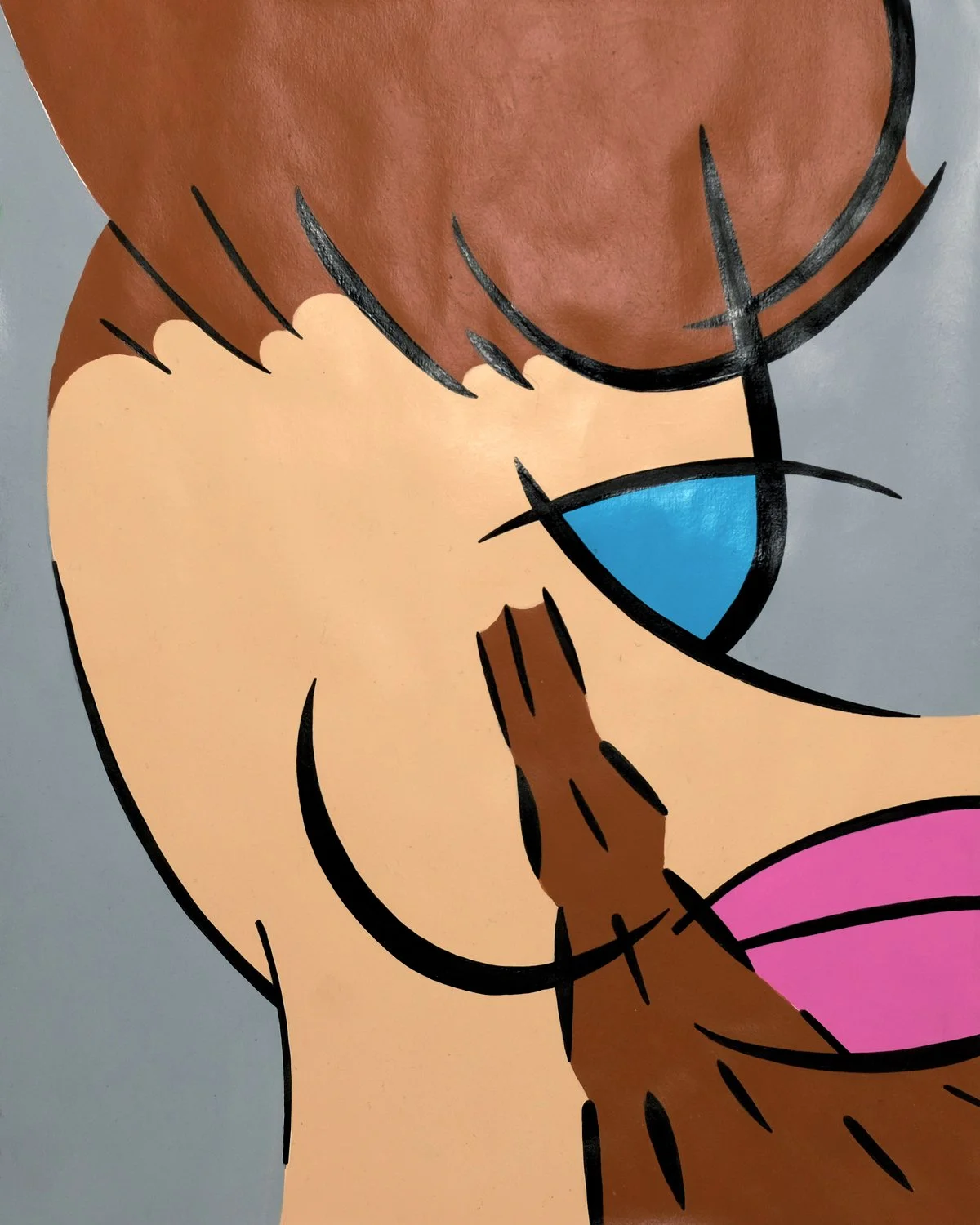
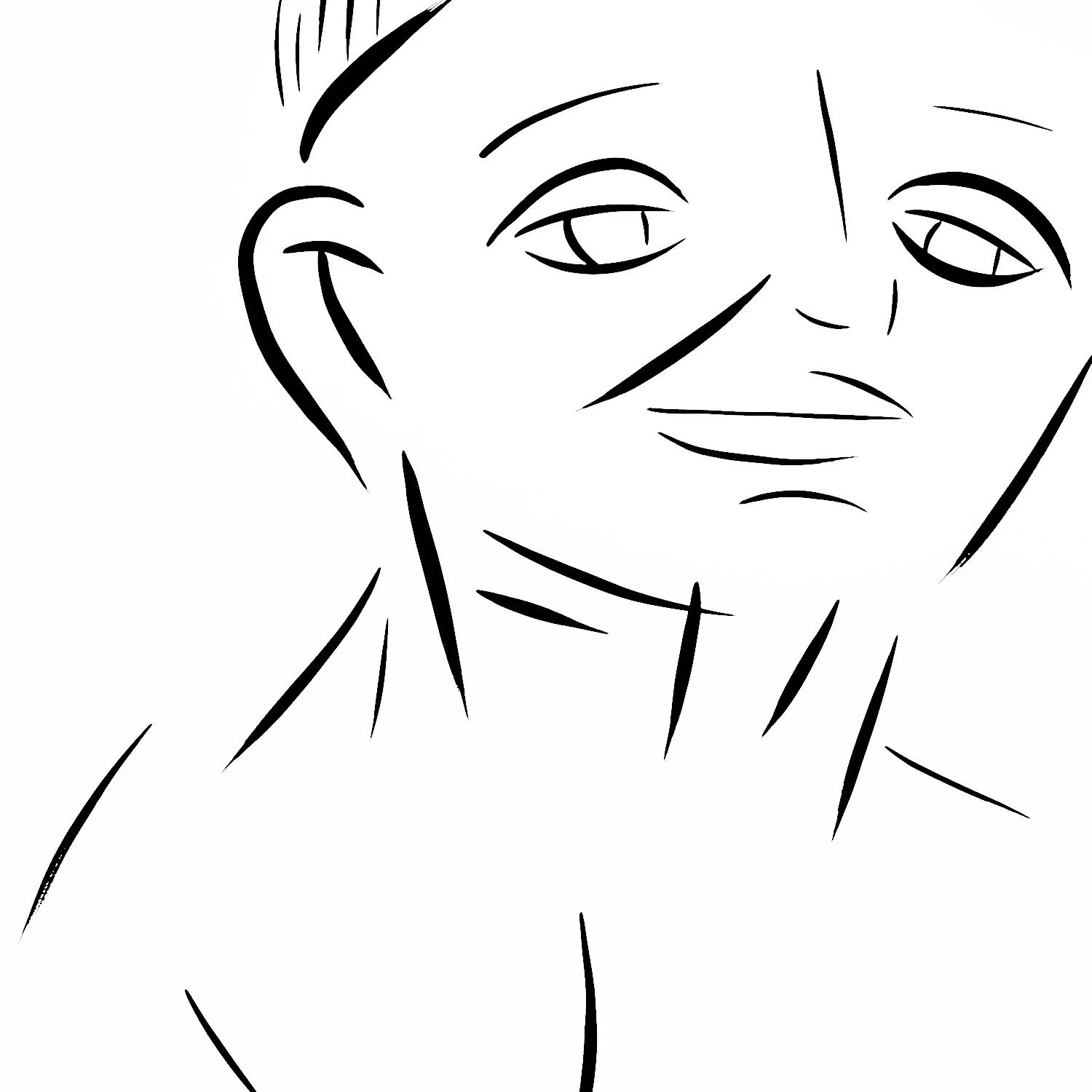
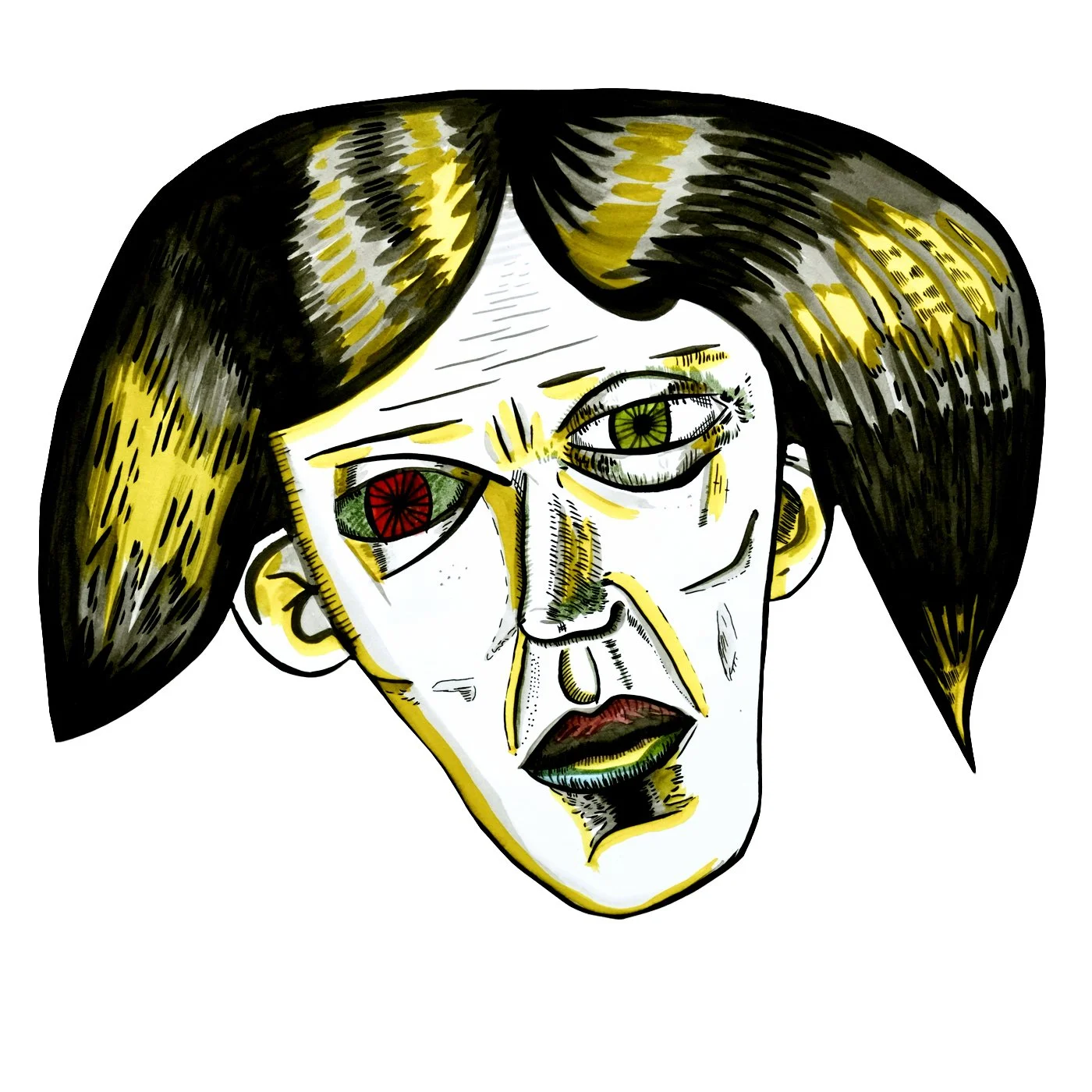
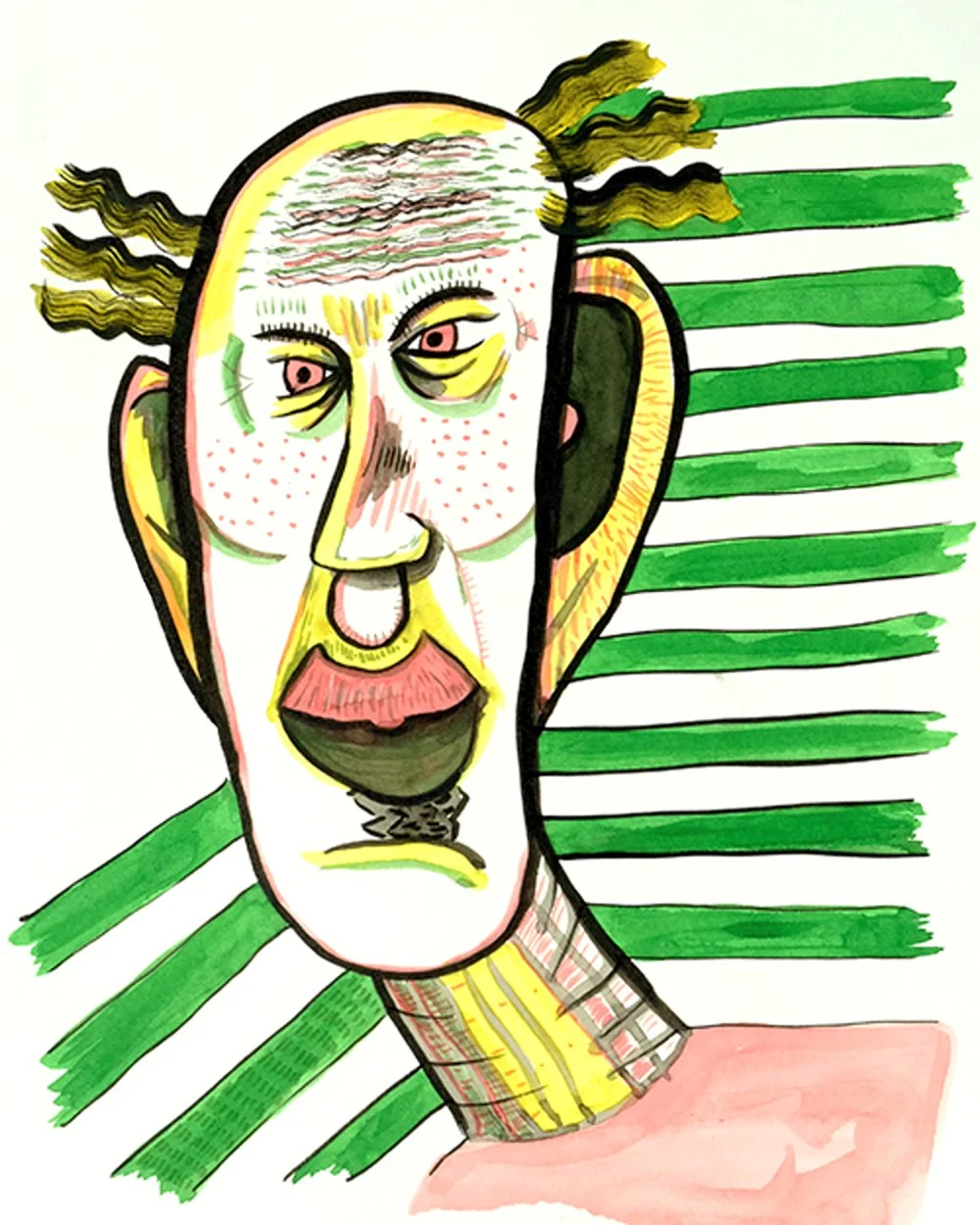
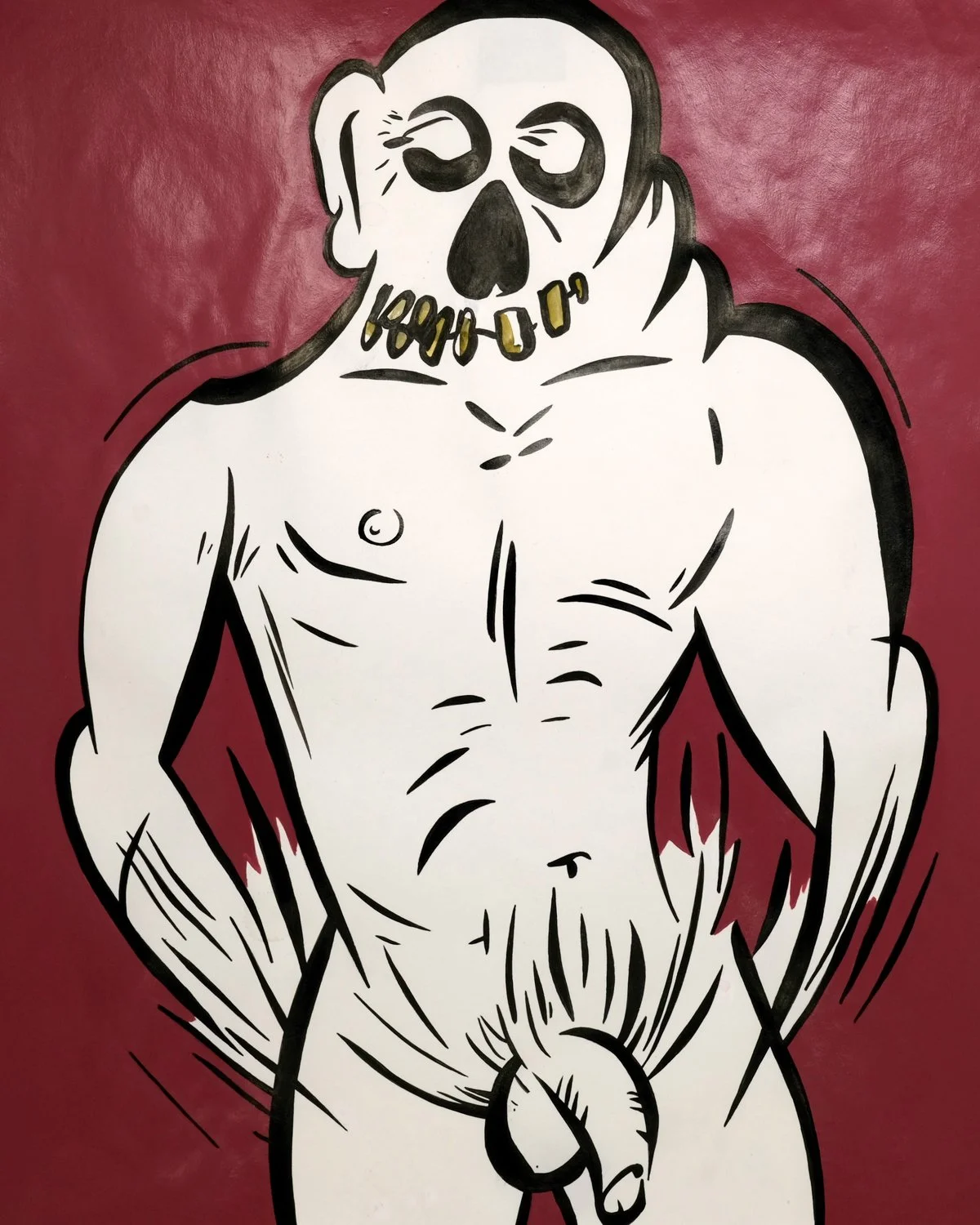
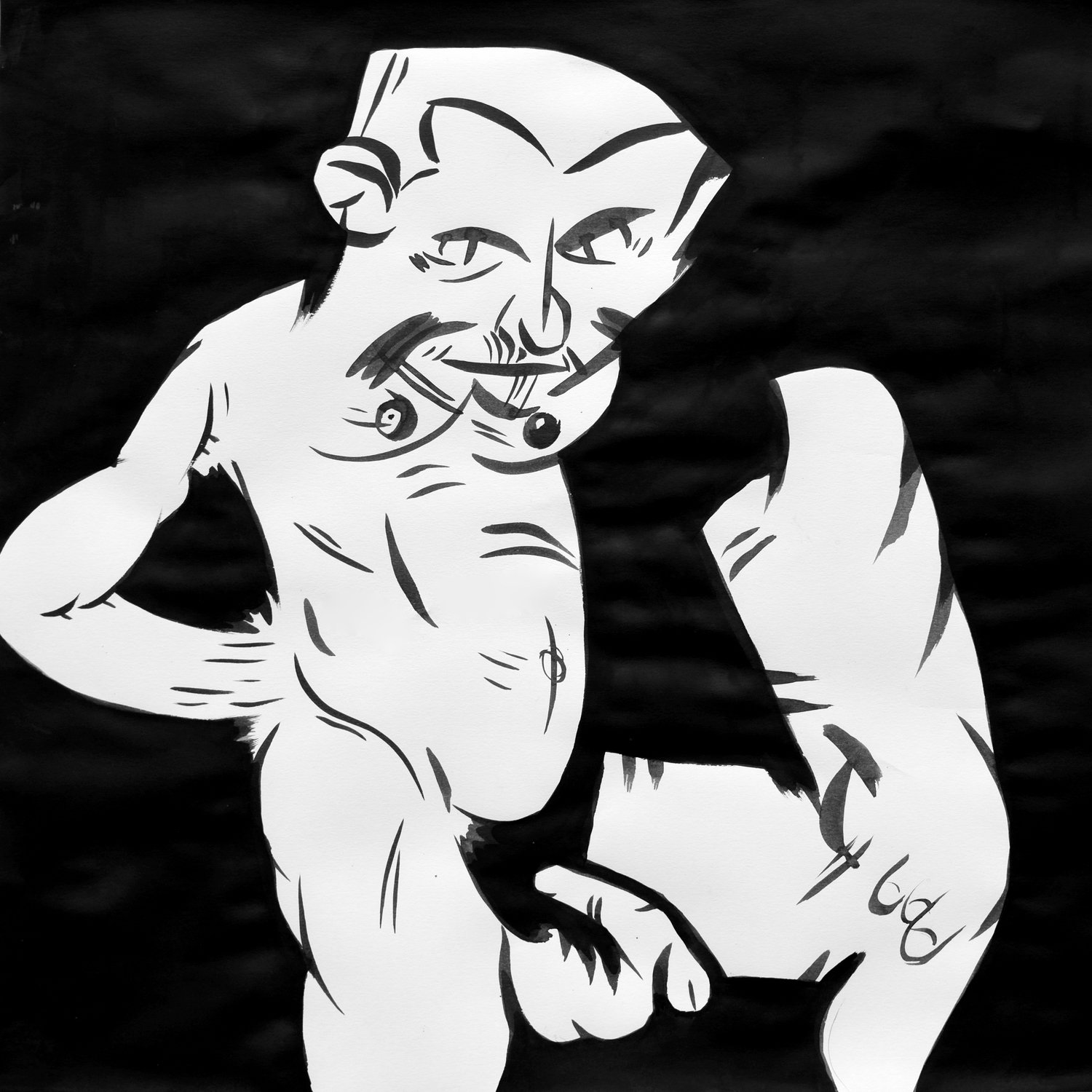
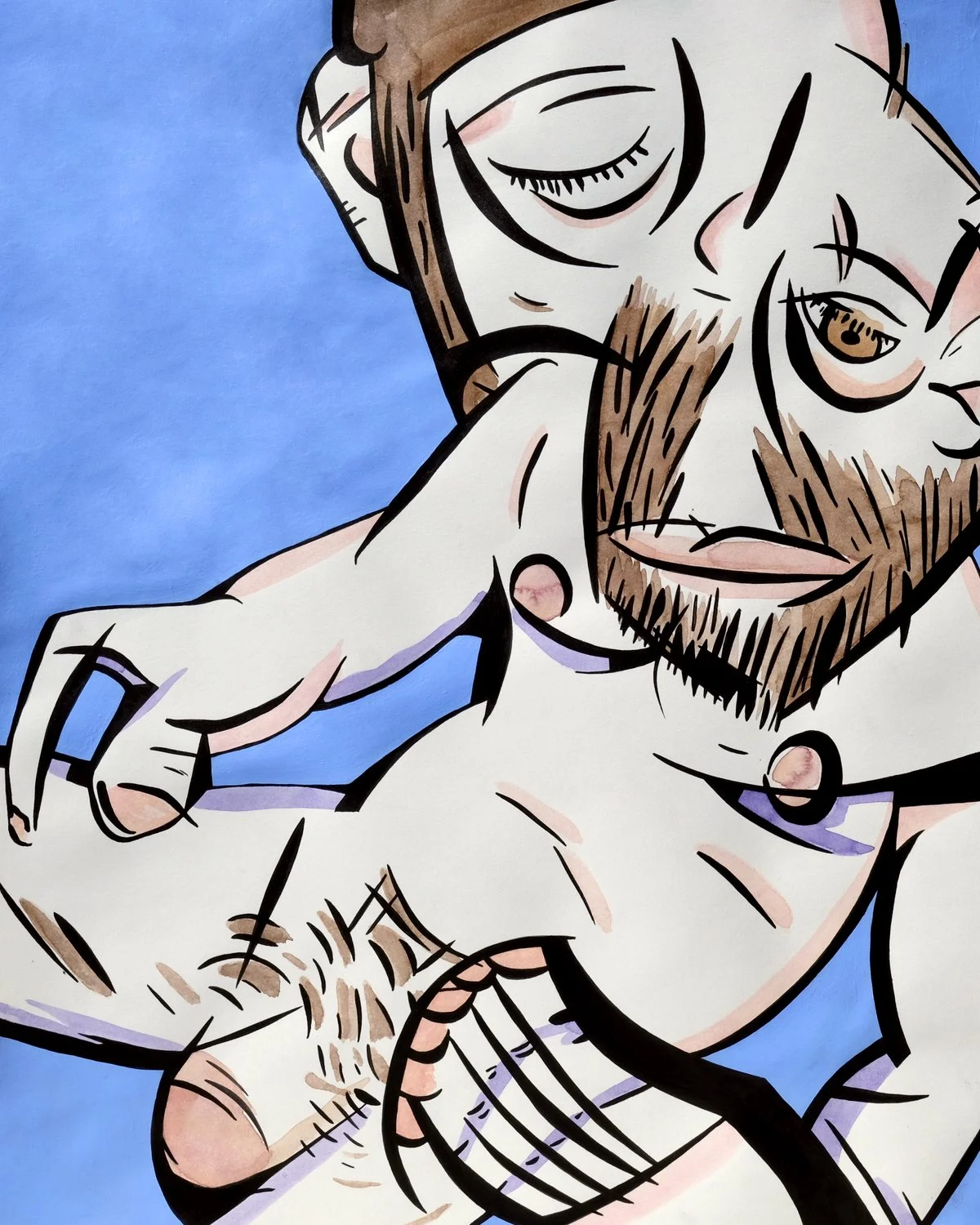
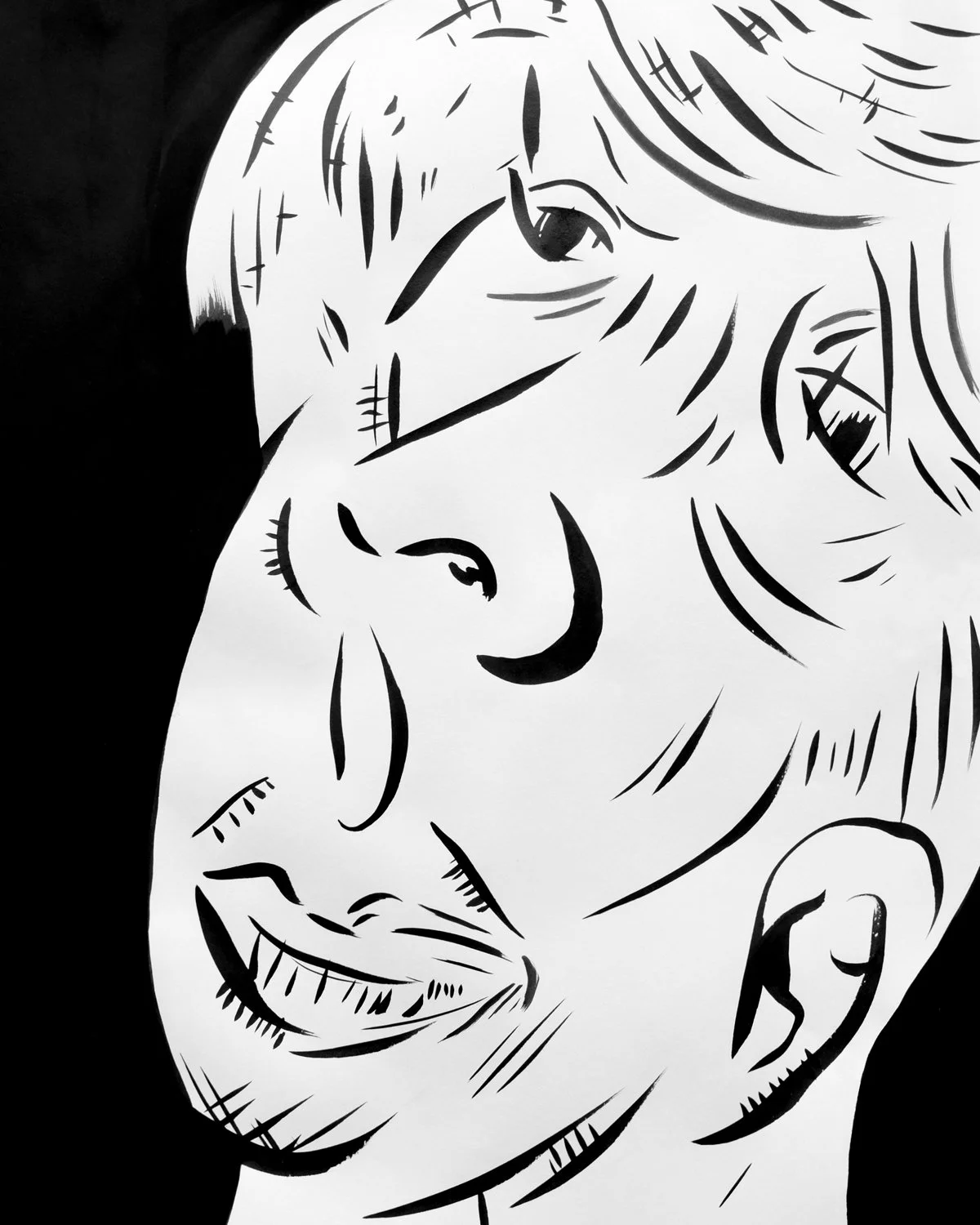
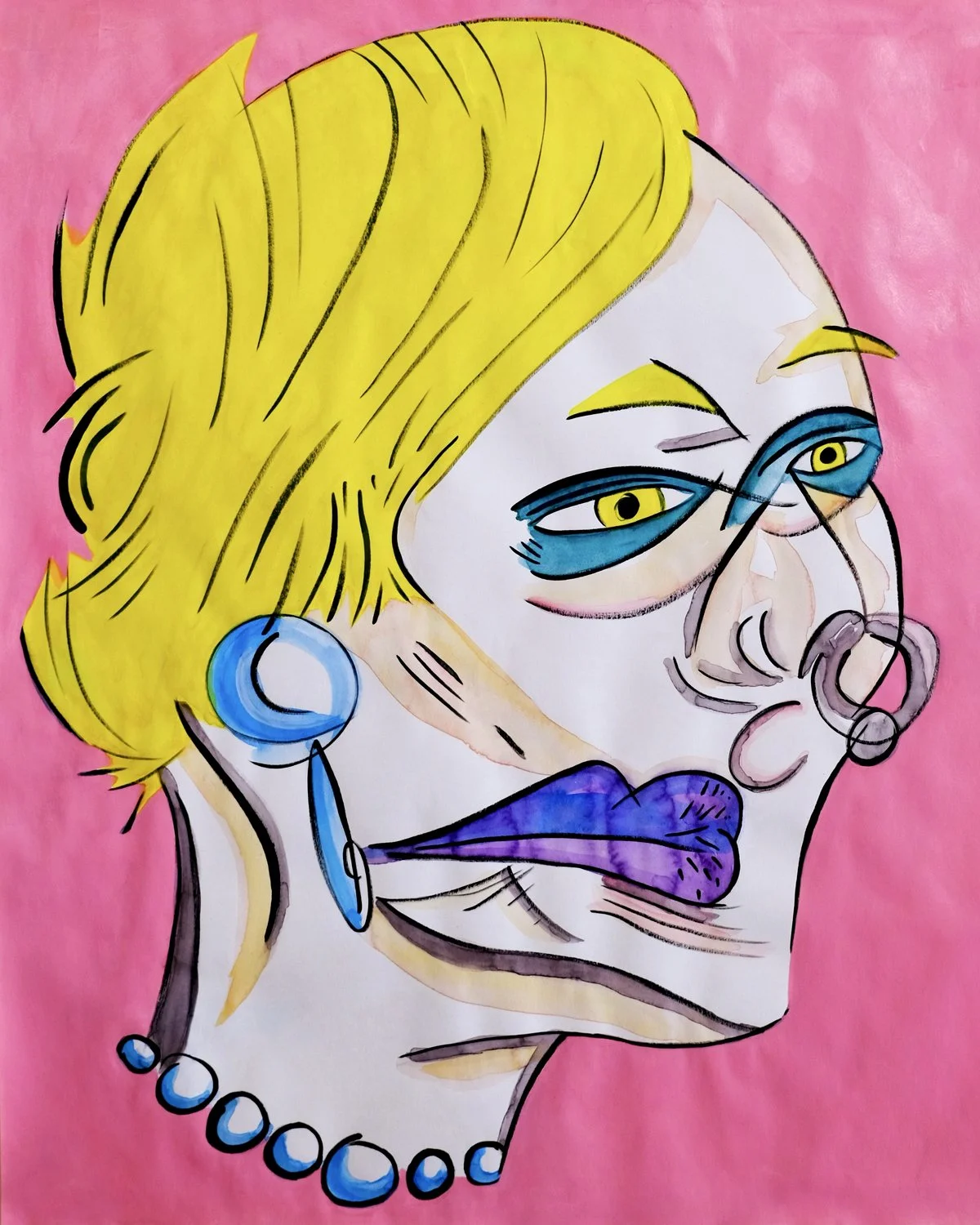
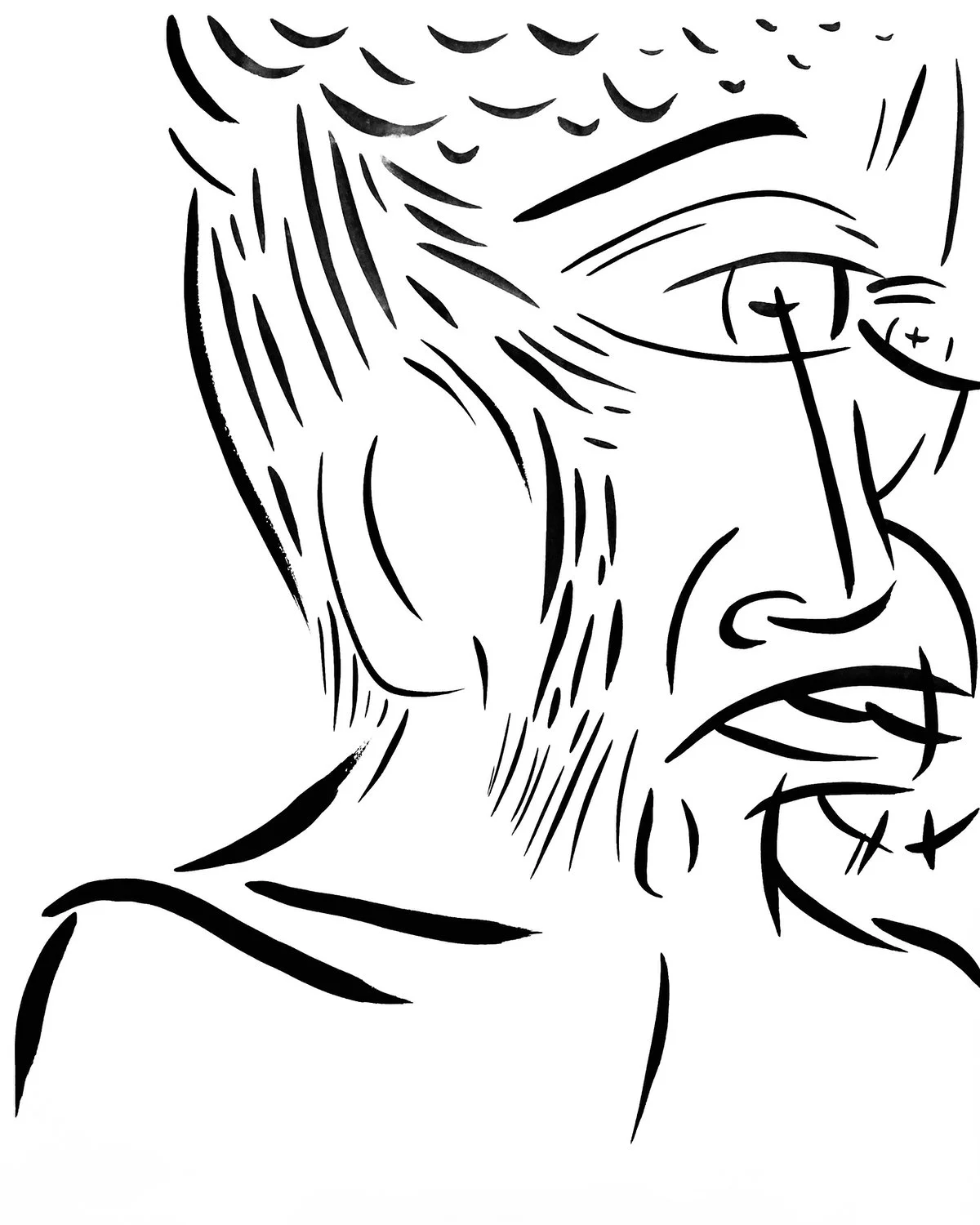
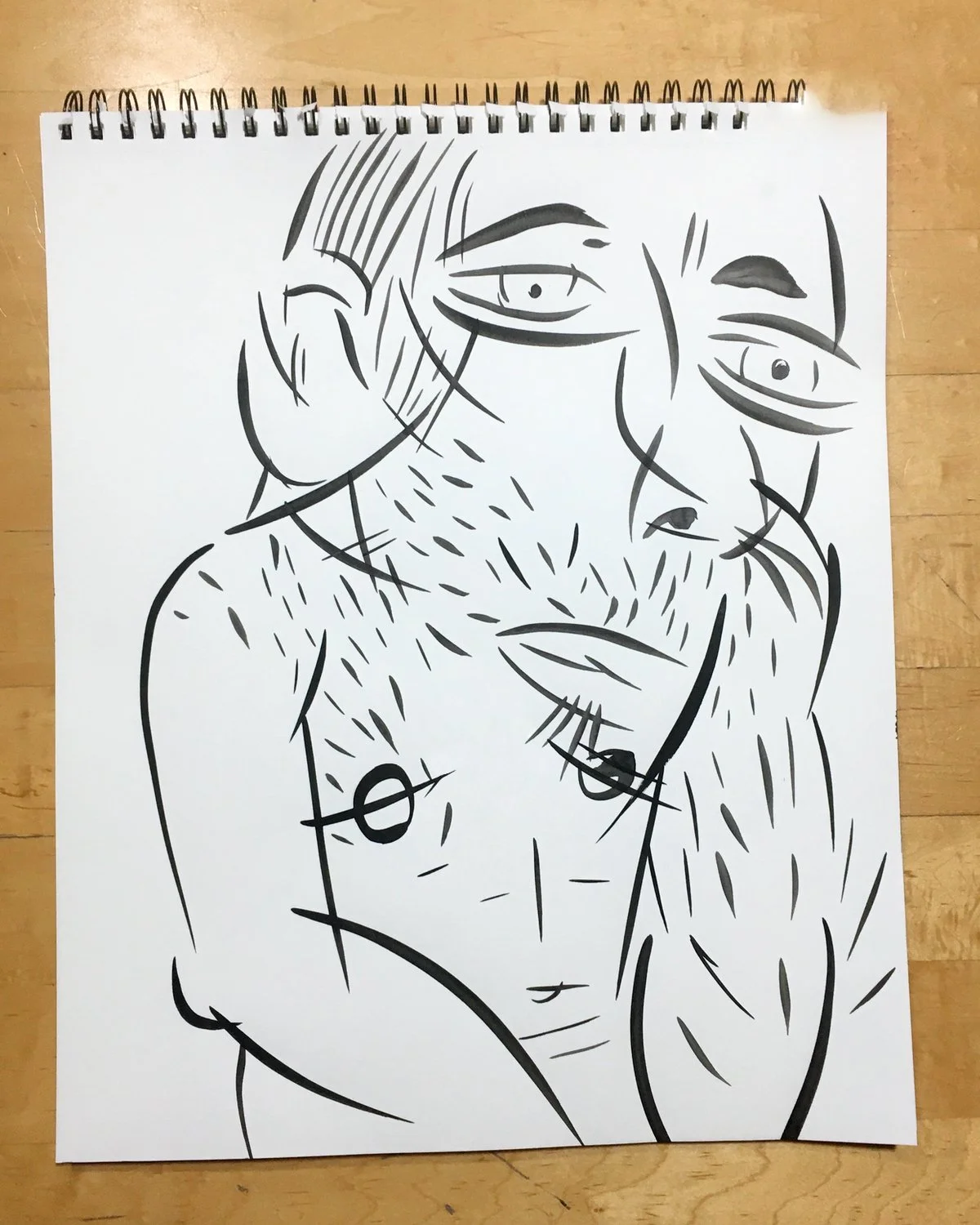
The isolation of the early pandemic changed the conditions in which I was working. During the first months of lockdown, I was largely working with the images and ideas I had developed before access to other people was restricted. As I continued, I began developing a more distinct language through fluid black ink, using a large round watercolour brush on heavy drawing paper. The directness and unpredictability of the ink allowed me to work quickly, responding to movement and gesture rather than trying to control the image. I also began combining acrylic paint with drawing on paper. What had been exploratory in 2019 was beginning to coalesce into a more coherent visual vocabulary.
As restrictions eased, I began organizing queer life drawing sessions in my Vancouver apartment, hosting four events over the course of 2020. Working from life became central to the way I developed images. Rather than producing a few finished drawings from a session, I would generate ten, fifteen, or more works in an hour, allowing the process to remain fluid and generative. I then developed a process of editing, selecting, and refining the drawings, learning to recognize which images carried the energy I was looking for.
This eventually developed into a more focused one-on-one approach with the subject. Building on my experience with photography, I began to establish a consistent way of working through presence, attention, and exchange. These sessions became spaces where I could hold my attention on the subject while also allowing myself to be more unmasked and instinctive. I found that the more freely I could inhabit the process, the more responsive the images became. The visual language developed in 2020 remained somewhat chaotic, but its essential vocabulary was now taking shape, providing the foundation for the more refined approach that emerged in Relational Reflexive.